8 Night Shift Sleep Habits for Your Best Sleep
>> Sleep NightShiftLiving>> 8 Night Shift Sleep Habits for Your Best Sleep
8 Night Shift Sleep Habits for Your Best Sleep
Nights are hard on the body. Your brain has been conditioned to sleep when it’s dark out and stay awake when it’s light. But millions of nurses, truck drivers, factory workers, security guards and customer-service reps flip that script every single day.
The result? Poor quality of sleep, fatigue, irritability and health risks over time. But here’s the good news — a sleep routine built around NightShiftLiving can fully shift the odds in your favor.
Here are the 8 essential sleep habits that night shift workers swear by. They’re practical, workable and something you can begin today — no pricey gadgets or complex science necessary.
At a Glance: The 8 Core NightShiftLiving Sleep Habits
01
Block Out Light Completely
02
Stick to a Sleep Schedule
03
Manage Caffeine Wisely
04
Wind Down Before Bed
05
Control Your Sleep Environment
06
Eat Smart Around Your Shift
07
Use Strategic Napping
08
Protect Your Sleep Time
The Problem of NightShiftLiving Sleep in the First Place
Your body has a 24-hour internal clock known as the circadian rhythm. It uses light and dark to know when to secrete melatonin — the sleep hormone. If you work nights, your clock and your schedule are in perpetual battle.
Research has found that night workers sleep on average 1–4 hours less per day than their colleagues working the day shift. That adds up to significant sleep debt over time. And sleep debt isn’t merely tiredness — it’s a factor in heart disease, diabetes, weight gain and depression.
Average Daily Sleep — Night Shift vs Day Shift Workers
Day shift
7.0 hrs
Rotating shift
5.5 hrs
Night shift
4.8 hrs
Data: Aggregated occupational health data. Figures are approximate averages.
So developing strong NightShiftLiving sleep habits is not optional — it’s survival. Now, let’s jump into the actionable habits.
Habit 1 — Dark Out Every Drop of Daylight
The sun is typically shining when you get home from a night shift. Your bedroom might feel like it’s noon — because it is. Light signals your brain to wake up and stop secreting melatonin. That’s the last thing you want when you’re trying to sleep.
What the Most Successful Night Shift Sleepers Do
The best NightShiftLiving sleep hack is to make your bedroom pitch dark. Far beyond drawing the curtains.
- Get blackout curtains or use blackout blinds — they block 99% of light
- If your curtains are less than perfect, wear blackout sleep masks
- Cover any LED lights on electronics — routers, TVs, chargers
- Roll up a towel and put it under the door to block light from your hallway
Pro Tip
For cheap, homemade blackout coverage while you save up for the real thing, tape black garbage bags over windows. This trick is what budget-conscious night shift workers swear by.
Even small doses of light — like a phone screen on the other side of the room — can reset your sleep cycles. Complete darkness isn’t being dramatic. It’s about being wise with your NightShiftLiving sleep needs.
Habit 2 — Establish a Sleep Routine and Follow It
The big mistake that night shift workers make is sleeping at different times on their days off. They say, “I’ll get back to normal hours this weekend.” The trouble is, each time you do that, you’re essentially creating your own jet lag.

Choose a Sleep Window and Protect It
Your body loves routine. If you go to bed at around the same times every day — even on days off — your circadian rhythm begins to reset. It may not be an exact fit, but even a partial move can open up 30–60 minutes of extra quality sleep per night.
| Scenario | Recommended Sleep Window | Why It Works |
|---|---|---|
| Night shift (11pm–7am) | 8am – 3pm or 4pm | Captures some darkness, aligns with post-shift fatigue |
| Night shift (7pm–3am) | 4am – 11am | Avoids peak daylight hours, easier to maintain |
| Rotating shifts (mixed) | Anchor sleep at same start time | Maintains partial circadian anchor point |
| Split sleep (nap + main block) | Nap 20 min before shift + 6hr block post-shift | Reduces sleep debt, improves alertness |
The secret to NightShiftLiving scheduling is consistency. Even two consistent days per week is better than no consistency at all.
Habit 3 — Control Caffeine Instead of It Controlling You
Many overnight shift workers subsist on coffee. That’s all right — caffeine is one of the most powerful legal alertness enhancers known to science. The problem is that there’s a right way to use it and a wrong way.
The Caffeine Cut-Off Rule
Caffeine’s half-life is roughly 5–7 hours. So when you drink a coffee at 4am, half that caffeine is still circulating in your body at 9am–11am. Attempting to sleep with that amount of stimulant on board is like attempting to nap in a running car.
Watch Out
Steer clear of caffeine 6 hours before you plan to sleep. If you sleep at 8am, your last coffee must be drunk before 2am.
Here’s a wise caffeine strategy for NightShiftLiving:
- Drink coffee at the start of your shift — not all night long
- Drink water or herbal tea in the second part of your shift
- Consider a “nap-accino” — drink a cup of coffee, then take an immediate 20-minute nap. Just as you wake up, the caffeine kicks in
- Stay away from energy drinks closer to the end of your shift — they have much longer-lasting stimulants
| Drink | Avg. Caffeine (mg) | Half-Life | Safe Cut-off Before Sleep |
|---|---|---|---|
| Espresso (single shot) | 63mg | ~5 hrs | 5–6 hrs before bed |
| Drip coffee (8oz) | 95mg | ~6 hrs | 6–7 hrs before bed |
| Energy drink (16oz) | 160mg+ | 6–8 hrs | 8+ hrs before bed |
| Green tea (8oz) | 28mg | ~4 hrs | 4–5 hrs before bed |
| Decaf coffee | ~5mg | Minimal | Anytime |
Habit 4 — Establish a Wind-Down Ritual to Signal Sleep Time
Your brain doesn’t just suddenly click off like a light. It requires a transition period — some sort of signal that says: “We’re going to bed now.” This is known as a wind-down routine, and it’s one of the most potent NightShiftLiving tools available.
Build Your Pre-Sleep Ritual
Begin your wind-down 45–60 minutes before you aim to sleep. The aim is to cool your body down, soothe your nervous system and decrease mental stimulation.
- Take a warm shower or bath — your body cools off afterward, which promotes sleepiness
- Dim the lights in your home as you head home from your shift
- Wear blue-light blocking glasses when driving home or commuting
- Do a 5-minute breathing exercise or light stretching
- Put your phone down and steer clear of watching intense TV shows
- Listen to calm music, a podcast or audiobook at a low, quiet volume
NightShiftLiving Routine Idea
Try the 4-7-8 breathing technique: inhale for 4 seconds, hold for 7, and exhale for 8. Repeat 4 times. It engages your parasympathetic nervous system and helps accelerate the transition to sleep.
Over time, your brain learns to associate these steps with sleep — making it easier to fall asleep even as daylight is flooding in.
Habit 5 — Transform the Bedroom Into a Sleep War Room
Where you sleep matters just as much as when you sleep. The bedroom for night shift workers should be considered mission-critical equipment. Everything in that room needs to be optimized for a single purpose: deep, uninterrupted sleep.
Temperature, Sound, and Comfort
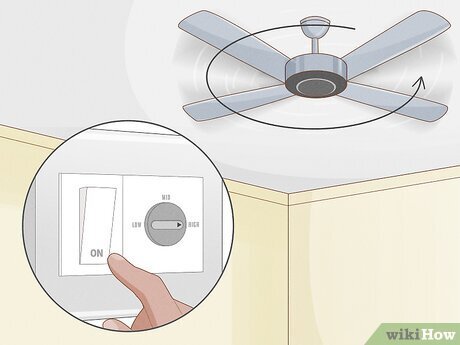
The ideal temperature for sleep is around 60–67°F (15–19°C). A cooler room tells your body it’s nighttime — even if it isn’t. Use a fan, air conditioner or cooling mattress pad to get in that range.
Noise is the other enemy. During the day, it’s loud — lawnmowers, children playing, traffic, neighbors. Here’s how to fight back:
- Use a white noise machine or box fan for consistent background sound
- Invest in good earplugs — foam or silicone both do the trick
- Hang a sign on your door that says “Do Not Disturb — Night Shift Worker Sleeping”
- Encourage family members to wear headphones and refrain from loud activities during your sleep hours
| Sleep Environment Factor | Optimal Setting | Budget Fix |
|---|---|---|
| Light | Complete darkness | Blackout garbage bags, eye mask |
| Temperature | 60–67°F (15–19°C) | Box fan, single light sheet |
| Noise | Under 40 decibels | Foam earplugs, box fan noise |
| Mattress comfort | Medium-firm, supportive | Mattress topper ($30–$80) |
| Phone | Out of reach, silent | Leave it in another room |
The intent is a sleep sanctuary. Your bedroom needs to feel like a cave — dark, cool, quiet and safe. That’s the NightShiftLiving standard for a legitimate sleep environment.
Habit 6 — Eat Like Your Sleep Depends on It (Because It Does)
What you eat — and when — influences sleep quality directly. Night shift workers tend to eat at odd times, eat the wrong foods, then ask themselves why they can’t sleep.
The Night Shift Eating Window
Your digestive system slows down a lot at night. Eating a large, heavy meal at 3am means your body is working overtime to digest when it should be getting ready for rest. This increases your core body temperature and prolongs alertness.
Smart NightShiftLiving eating habits include:
- Eat your main meal before your shift — not during it
- Stick to light snacks on the shift: nuts, fruit, yogurt or whole grain crackers
- Avoid greasy, fried or very spicy foods during your shift
- Don’t eat a heavy meal within 2–3 hours of bedtime
- Drink plenty of water — dehydration can increase fatigue and interfere with sleep
| Time of Day | What to Eat | What to Avoid |
|---|---|---|
| 2–3 hrs before shift | Full balanced meal (protein + complex carbs) | Alcohol, very heavy foods |
| Mid-shift (1–2am) | Light snack: fruit, nuts, yogurt | Sugary drinks, large meals |
| End of shift (5–7am) | Small protein-rich snack if hungry | Big breakfast, fast food |
| Post-sleep (waking up) | Normal balanced meal — your “morning” | Skipping meals entirely |
Foods That Aid Sleep for Night Shift Workers
Certain foods support melatonin production and sleep quality naturally. Integrate these into your pre-sleep routine:
- Tart cherry juice — among the rare foods that contain natural melatonin
- Kiwi fruit — shown by studies to improve sleep onset and duration
- Warm milk or chamomile tea — classics for good reason; tryptophan and gentle sedative compounds
- Oatmeal — low glycemic index, triggers a mild insulin response that aids tryptophan entering the brain
- Almonds — contain magnesium, which relaxes muscles and soothes the nervous system
Habit 7 — Recharge Smarter by Taking Strategic Naps
Napping gets a bad reputation. People say it’s lazy or that it messes up your “real” sleep. For night shift workers, the opposite is true. Strategic, smart napping is one of the most potent tools in your NightShiftLiving toolkit.
The Two Types of Naps for the Night Shift
Not all naps are equal. Here’s what the science says:
| Nap Type | Duration | Best Time | Effect |
|---|---|---|---|
| Power nap | 10–20 minutes | Mid-shift or pre-shift | Boosts alertness, memory, reaction time |
| Recovery nap | 90 minutes | Before a long shift | Full sleep cycle; helps reduce fatigue debt |
| Prophylactic nap | 2–3 hours | Afternoon before night shift | Pre-loads sleep bank before a lengthy night |
| Nap-accino | 20 minutes (with coffee) | Mid-shift break | Combines rest + caffeine for dual boost |
Avoid This Nap Mistake
Never nap for 30–60 minutes. That’s the danger zone where you enter deep sleep and wake up groggy and disoriented — a phenomenon known as “sleep inertia.” Go shorter (20 min) or longer (90 min).
Many workplaces now permit short nap breaks on long night shifts. If yours does, use that time wisely. Even 15 minutes in a quiet break room may help sharpen your focus for the last few hours of your shift.
Habit 8 — Protect Your Sleep Time as if It’s Your Job
This final habit may be the hardest — and most essential. Night shift workers are always expected to be available during the day. Appointments, family events, social plans, deliveries, phone calls. The world is powered by daylight, and it doesn’t always have time for your routine.
Draw Clear Boundaries With Family and Friends
Most of the folks in your life really don’t understand how serious your sleep needs are. They don’t intend to be hurtful — they just don’t know. Your job is to teach them.
- Make a clear schedule of your sleep hours and post it on the fridge
- Set up a dedicated voicemail that states “I work nights — please don’t call between [X] and [Y]”
- Set your phone to Do Not Disturb mode during your sleep hours
- Nominate one emergency contact who can wake you if truly needed
- Schedule doctor appointments, errands and social events around your sleep schedule — not the other way around
NightShiftLiving Mindset Shift
Stop treating your sleep as something you “get around to.” Start regarding it as a non-negotiable work obligation — akin to arriving for your shift. You wouldn’t skip your shift. Don’t skip your sleep.
Digital Boundaries Matter Too
There’s no night shift mode for social media, news apps or messaging platforms. Notifications can blast you awake mid-sleep and make it hard to fall back. Here’s how to manage it:
- Use a dedicated sleep phone mode or app like Sleep as Android or iOS Focus Mode
- Turn off all non-emergency app notifications during your sleep hours
- Place your phone across the room — not on your nightstand
- Let friends and family know your sleep schedule via a quick group message once a month
Bringing It All Together — Your NightShiftLiving Sleep Plan
These 8 habits work best as a system. You don’t have to roll them all out in one night (pun intended). Start with the two or three that make the most sense for your situation, and add others as they become habitual.
| Time | Action | Habit # |
|---|---|---|
| 8:00pm | Eat main meal before shift | #6 |
| 9:00pm | Pre-shift prophylactic nap (optional, 90 min) | #7 |
| 10:30pm | First coffee of the shift | #3 |
| 11:00pm | Shift begins | — |
| 2:00am | Light snack, switch to water | #6 |
| 3:00am | Power nap if allowed (20 min) | #7 |
| 5:00am | Last caffeine cut-off | #3 |
| 7:00am | Shift ends — put on blue-light blocking glasses | #4 |
| 7:30am | Shower, dim lights, wind-down begins | #4 |
| 8:15am | Bedroom blackout curtains closed, phone on DND | #1, #8 |
| 8:30am | Sleep begins — target 7–8 hours | #2, #5 |
| 3:30pm | Wake up, normal meal, natural light exposure | #2 |
NightShiftLiving Sleep FAQs
How long does it take to get used to working a night shift?
It typically takes 1–3 weeks for people to notice meaningful improvement. Your circadian rhythm takes time to adapt — about 1–2 hours per day. Consistency is more important than speed. A minimum of 30 days on a NightShiftLiving routine delivers the best and most lasting results.
Are you supposed to sleep right after a night shift or wait a few hours?
Most sleep experts advise sleeping as soon after your shift ends as possible. Staying up increases cortisol levels and makes falling asleep more difficult. The exception is if your shift ends late in the afternoon — then a short 4–5 hour sleep block plus a nap before your next shift can work better than a full block that cuts into your evening social life.
Should night shift workers use melatonin supplements?
Low-dose melatonin (0.5–3mg) taken 30 minutes before your planned sleep time can help move your body clock. It works best when used consistently and in combination with other NightShiftLiving habits such as light control and a regular sleep schedule. Always consult a doctor before taking any supplements, particularly if you take other medications.
What do I do on days off if I don’t want to ruin my sleep schedule?
The safest approach is to keep your sleep schedule on days off, or shift it by no more than two hours. When a daytime event is unavoidable, try split sleeping: 4 hours after your last shift, attend the event, then another 4 hours before your next shift. The worst thing you can do to your circadian rhythm is flip back to daytime hours for two days and then return to nights.
Does exercise improve sleep among night shift workers?
Yes — but timing matters. Exercising at the start of your shift or earlier in the night can boost alertness and improve overall sleep quality. Avoid intense exercise within 2–3 hours of your bedtime. Light yoga or stretching during your wind-down period is fine, and even helpful for relaxation.
What sleep mistakes do night shift workers make most often?
The five biggest mistakes are: (1) attempting to “flip” their schedule on days off, (2) consuming caffeine too close to bedtime, (3) sleeping in a bright room, (4) neglecting sleep until completely exhausted, and (5) not maintaining boundaries with family around sleep hours. All of them are fixable with the NightShiftLiving habits in this article.
How many hours do night shift workers really need to sleep?
The same as everyone else — 7 to 9 hours per 24-hour period for most adults. The challenge is that night shift workers typically only get 5–6 hours due to daytime disruptions. Using strategic napping to cover the shortfall helps when a full 8-hour stretch isn’t achievable.
Conclusion — Your Sleep Is Worth Fighting For
Working at night is one of the most physically challenging things you can ask of your body. But it doesn’t have to ruin your health or leave you permanently exhausted.
All 8 NightShiftLiving sleep habits in this guide — from using blackout curtains and sticking to a schedule, to managing caffeine and protecting your sleep time — are firmly within your personal control. You don’t have to overhaul everything overnight.
Pick one habit this week. Make it automatic. Then add another. After a few months, you’ll have your sleep routine so dialed in that working nights no longer feels like an endless war on your own biology.
You chose night shift. Work it to your advantage — beginning with the best sleep of your life.
Related Post
7 NightShiftLiving Sleep Hacks That Actually Work for Deep Daytime Rest
You finished your shift. The sun is already up. Your brain sends you the message…