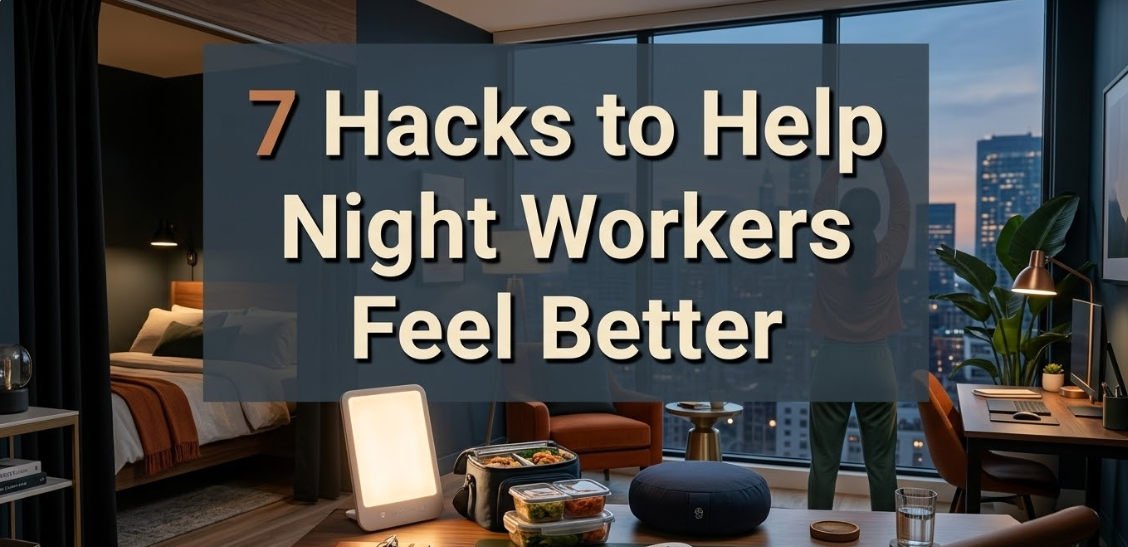

9 Easy NightShiftLiving Lifestyle Habits for Better Balance
>> Lifestyle NightShiftLiving>> 9 Easy NightShiftLiving Lifestyle Habits for Better Balance
9 Easy NightShiftLiving Lifestyle Habits for Better Balance
Working nights changes everything. Your body wants daylight when the world is asleep, and suddenly simple stuff like eating dinner with your family or catching a movie feels impossible. I’ve been there, pulling graveyard shifts for years, and let me tell you, it messes with your head, your energy, and your relationships if you don’t fight back smart. The good news is you don’t need fancy gadgets or extreme overhauls. Just nine easy habits that fit right into the NightShiftLiving way of life. These aren’t complicated rules from some guru. They’re small tweaks I’ve seen work for me and plenty of other night owls who finally started feeling balanced again. Balance doesn’t mean perfect eight-hour sleep and zero stress. It means you wake up without hating the alarm, you have energy for the people you care about, and your body doesn’t feel like it’s running on fumes all the time. Stick with these and you’ll notice the difference in weeks, not months.
Let’s get into them one by one. Nothing flashy, just real stuff that actually sticks because it’s simple.
- Lock in your sleep schedule like it’s non-negotiable
The biggest lie night shifters tell themselves is “I’ll catch up on sleep this weekend.” Nope. Your body clock is stubborn. Pick the exact same sleep window every single day, even on your days off, and treat it like a doctor’s appointment you can’t miss. If you finish at 7 a.m., aim for bed by 8:30 a.m. and up by 4 p.m. every day. No exceptions for birthdays or Netflix binges. Why does this matter so much? Because your internal rhythm controls hormones, mood, and even how well you digest food. When you flip it around every few days, your body stays in constant jet lag mode. I used to do that and felt foggy all the time. Once I locked it in, my energy during shifts actually improved because my brain finally knew when “night” was.
Making it easy is the key. Set two alarms: one for bedtime and one for wake-up. Put your phone across the room so you actually get out of bed instead of snoozing. Tell your family or roommates the rule upfront so they don’t knock at 2 p.m. thinking you’re free. I even put a little sign on my door during sleep hours: “Shift worker sleeping – please don’t wake the beast.” Sounds silly but it works. On days off, resist the urge to stay up late. Go to bed at the usual time even if you’re not tired yet. Your body will adjust faster than you think. After a couple weeks, you’ll stop fighting it.
The balance part comes in when you suddenly have predictable hours for everything else. You can plan groceries, gym time, or date nights around that fixed window instead of scrambling. One guy I worked with swore by this and started coaching his kid’s soccer team because he finally had consistent afternoons free. Before, he was always exhausted or cranky. Small change, huge ripple effect. Don’t worry if you slip once or twice. Just get right back on it. Your body forgives quick when you’re consistent most of the time.
And here’s a little trick that helped me: use blackout curtains and a white noise machine from day one. It makes sticking to the schedule way less painful because the room actually feels like night. I bought cheap ones online and they changed everything. No more waking up to sunlight or neighbor lawnmowers. Sleep quality jumps, and that makes the whole schedule easier to keep. You’ll find yourself looking forward to that bed instead of dreading it.
- Turn your bedroom into a cave that actually works for daytime sleep
Most people think a dark room is enough. It’s not. NightShiftLiving means treating your bedroom like a professional sleep lab on a budget. Block every single ray of light. Use thick curtains, put towels under the door if needed, and wear an eye mask if there’s still a glow from somewhere. Temperature matters too. Keep it cool, around 65 degrees if you can. Your body drops its core temperature to fall asleep, and a warm room fights that.
I learned this the hard way after moving into an apartment with thin blinds. I’d wake up sweating and grumpy every day. Switched to blackout everything and added a small fan for white noise and airflow. Suddenly I was getting deeper sleep and waking up refreshed instead of like I’d been hit by a truck. Easy upgrade: buy a cheap fan and some heavy curtains. Total cost under fifty bucks and it pays for itself in better moods.
The balance comes because good sleep means you’re not using coffee like a crutch all shift. You have actual energy for life outside work. You can go for a walk with your partner after waking up instead of crashing on the couch. Or cook a real meal instead of grabbing takeout because you’re too tired to think. One woman on my old team did this cave setup and said it saved her marriage because she stopped snapping at everyone from exhaustion. Little things add up fast.
Don’t overthink the setup. Start with curtains and a fan. Add earplugs if noise is an issue. Keep the room clean and clutter-free so it feels calm when you walk in. I even stopped using my bedroom for anything but sleep and sex. No laptop, no TV. That mental association helps your brain switch off faster. You’ll notice after a week that falling asleep during the day feels normal instead of forced. That’s when balance starts showing up in your whole day.
- Control light like it’s your secret weapon
Light is the boss of your body clock. Bright light in the morning (your evening) tells your brain to wake up. Dim light before bed tells it to wind down. Night shifters usually get this backwards. So flip it. When you wake up, get bright light right away. Open curtains, go outside for ten minutes, or use a cheap light box. During your shift, keep lights bright if you can. Then, two hours before bed, cut all blue light. No phone, no computer, no bright overheads. Use red bulbs or dimmers if possible.
This one habit alone fixed my afternoon crashes. I used to stare at my phone in bed and wonder why I couldn’t sleep. Switched to reading a real book with a small warm lamp and boom, I was out in fifteen minutes. Easy rule: phone goes on airplane mode and across the room after your shift ends. Replace scrolling with something boring like a paperback or podcast with the screen off.
Balance shows up because your mood stabilizes. Less irritability at home, better focus at work. You stop feeling like two different people: zombie at home and wired at work. I started doing sunrise walks right after waking up and it became my favorite part of the day. My kids even joined sometimes and it turned into family time I never had before. Light control is free and powerful. Anyone can do it starting tonight.
- Eat like your shift is normal, not a party
Night shift hunger hits different. You crave junk at 3 a.m. because your body thinks it’s daytime. Fight it by planning meals around your actual schedule. Eat a solid “breakfast” when you wake up, a balanced “lunch” midway through shift, and a light “dinner” before bed. Avoid heavy, spicy, or sugary stuff close to sleep time. Keep protein steady and carbs smart.

I used to live on vending machine snacks and energy drinks. Felt terrible. Switched to prepping overnight oats for my wake-up meal, turkey wraps mid-shift, and a small yogurt with nuts before bed. Simple stuff I could grab quick. Energy stayed even instead of rollercoaster. My digestion improved too. No more 4 a.m. stomach aches.
The balance piece is huge here. You stop gaining weird shift weight and actually have appetite for real meals with family on days off. Cooking together becomes fun instead of a chore. One coworker dropped fifteen pounds just by timing meals right and said his confidence came back because he felt in control again. Easy tip: batch cook on your days off. Throw stuff in the fridge in containers labeled by time of day. Takes one hour and saves you from bad choices when you’re tired.
- Move your body in short bursts that actually fit
You don’t need an hour at the gym. NightShiftLiving is about smart movement that fights the stiffness from sitting or standing all shift. Do ten-minute walks during breaks, stretch at your desk, or do bodyweight stuff at home before bed. Aim for 20-30 minutes total most days. Nothing crazy.
I started doing squats and push-ups in the break room during slow periods. Felt ridiculous at first but my back stopped hurting and my mood lifted. On days off I’d take the dog for a walk right after waking up. Energy carried through the whole week. Balance shows because you’re not too wiped out to play with kids or help around the house. Movement clears the mental fog too.
Keep it easy: walk during lunch break instead of scrolling. Do five minutes of yoga stretches before sleep. No fancy clothes or memberships needed. I know guys who just park farther away and take stairs. Small choices that add up without extra time.
- Hydrate on a schedule, not when you feel thirsty
Dehydration sneaks up on night shifters because the schedule messes with thirst signals. Sip water steadily through your shift. Aim for a big glass when you wake up, another every couple hours at work, and taper off two hours before bed so you don’t wake up to pee.
I used to chug coffee and wonder why I had headaches. Switched to water with a squeeze of lemon and felt clearer within days. No more afternoon slump. Balance comes because steady hydration keeps your brain sharp and your skin from looking wrecked. You show up to family stuff without feeling drained.
Easy hack: keep a marked bottle at your station. Fill it at the start of shift and watch the lines disappear. Add electrolytes if you sweat a lot. Costs almost nothing and works instantly.
- Build a wind-down ritual that signals sleep
Your brain needs cues to shut off. Create a 30-minute routine before bed: dim lights, warm shower, light reading, maybe herbal tea. Same order every day. No screens.
Mine is shower, journal three things I’m grateful for, then read fiction for fifteen minutes. Puts me out fast. Before, I’d lie there replaying shift drama. This ritual created separation between work brain and sleep brain.
Balance improves because you actually rest instead of just lying there. You wake up ready for life instead of fighting for more sleep. Friends started noticing I was more present because I wasn’t half-zombie anymore.
- Protect your relationships even with weird hours
Night shifts can isolate you fast. Schedule real connection time. Text good morning when you wake up. Plan one meal a week with family at their normal time. Use video calls on breaks. Make your off days about people, not just recovery.
I started “shift date nights” where my wife and I eat together at 5 p.m. before I leave. Simple but it kept us close. Balance isn’t just personal health. It’s knowing the people you love still feel you’re there.
Easy: put recurring calendar events for calls or coffee. Even ten minutes matters more than you think.
- Check in with yourself weekly and tweak gently
Once a week, spend five minutes asking: How’s my energy? Mood? Relationships? Sleep? Adjust one thing if needed. No big resets.
This habit keeps everything else working. I caught myself slipping on light control one month and fixed it before it snowballed. Balance stays because you’re in charge, not reacting to burnout.
NightShiftLiving isn’t about fighting your schedule. It’s about working with it. These nine habits are easy because they build on each other. Start with sleep schedule and bedroom setup. Add one more each week. In two months you’ll feel like a different person.
You’ll have steady energy, better moods, time for the people who matter, and a body that doesn’t rebel. I’ve watched coworkers go from miserable to thriving with these same steps. Some even switched to better roles because they finally had the mental space to think long-term.
The key is kindness to yourself. Miss a day? No big deal. Just restart. Your body wants balance. Give it these small consistent pushes and it will meet you halfway. Night shift doesn’t have to steal your life. These habits give it back, one easy step at a time.
You know what surprised me most? How fast the people around me noticed. My kids stopped saying “Dad’s tired again” and started asking me to play. My partner said I seemed happier. Even at work, I handled stress better because I wasn’t running on empty. That’s the real balance. Not some perfect scorecard, but feeling like you’re actually living instead of just surviving the night.
If you’re new to nights, start slow. Pick the first three habits and nail them. The rest will feel natural after that. If you’ve been doing this for years like me, you probably already know some of these but maybe skipped a couple. Dust them off and watch how much lighter everything feels.
I still tweak things. Some weeks I need extra walks. Others I focus more on the wind-down. That’s normal. Life shifts and your habits shift with it. The magic is having the framework so you’re never starting from zero again.
One last thing. Tell someone about your plan. A friend, partner, whoever. Having that little bit of accountability makes the easy habits even easier to keep. I told my wife my sleep schedule rule and she became my biggest supporter, reminding me gently when I started slipping. It turned into teamwork.
NightShiftLiving done right is powerful. You get to see the quiet hours of the world most people miss. Sunrises after work feel special. The city at 3 a.m. has its own peace. With these habits protecting your health and connections, you can actually enjoy those moments instead of just enduring them.
You’ve got this. Nine small changes. Thousands of better days ahead. Start tonight and thank yourself later.
Related Post

6 Night Shift Lifestyle Habits To Keep You Happy
Working nights turns your entire world upside down. You're reporting to work while everyone else…