
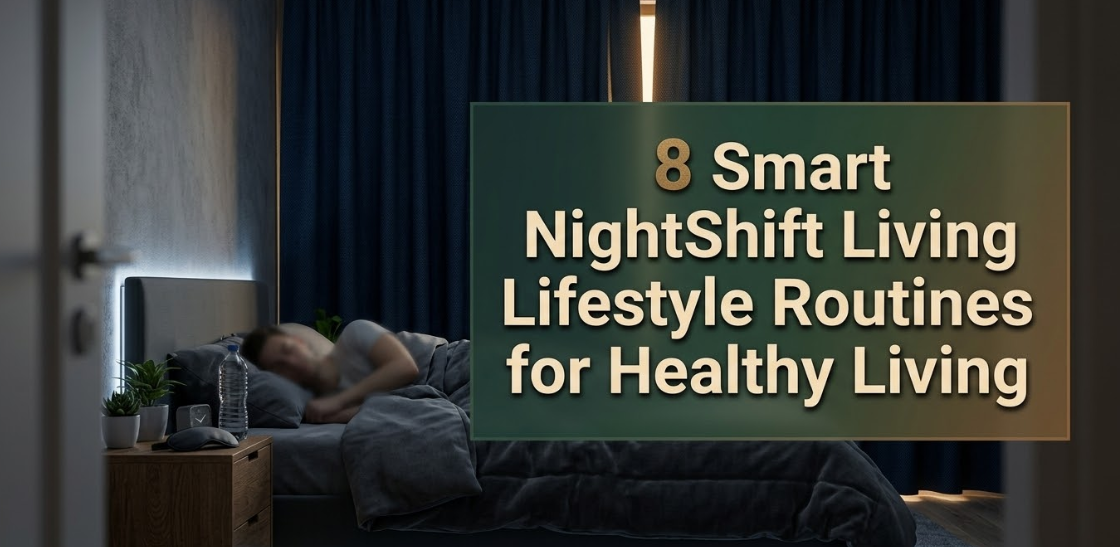
6 Night Shift Lifestyle Habits To Keep You Happy
>> Lifestyle NightShiftLiving>> 6 Night Shift Lifestyle Habits To Keep You Happy
6 Night Shift Lifestyle Habits To Keep You Happy
Working nights turns your entire world upside down. You’re reporting to work while everyone else is sleeping. They’re having lunch, and at 3 PM you’re thinking about breakfast. The life of a night shift worker is truly its own world — and if you don’t have the right habits, it can break you fast.
But now for the good news: Thousands of night-shift workers lead happy, healthy, fulfilling lives. The secret is not luck. It’s habits. The right day-to-day habits can shelter your sleep, lift your spirits, direct your focus and keep you feeling strong in body — even when the rest of the world is on an entirely different timeline.
This guide outlines 6 night shift lifestyle habits that make a real difference to how you feel — at work and in all other areas of your life.
Why Night Shift Is Tougher on Your Body
Before you jump to solutions, it helps to understand what you’re dealing with.
Your body operates on an internal clock known as the circadian rhythm. This clock is bound to sunlight. It cues your brain for when to be awake and when to churn out sleep-related hormones such as melatonin. You fight that clock every day when you’re working nights.
It isn’t just fatigue that this conflict causes. Over time, without healthy habits it can result in:
- Poor sleep quality
- Digestive problems
- Mood swings and irritability
- A weakened immune system
- Increased risk of heart disease and diabetes
The night shift lifestyle doesn’t have to cause any of this. But you do have to work intentionally at being well.
Habit 1: Nail Down a Regular Sleep Schedule
The Importance of Timing Your Sleep (For More Than Just Hours)
The majority have “sleep duration” on their minds. Night shift workers should pay attention to when they sleep.
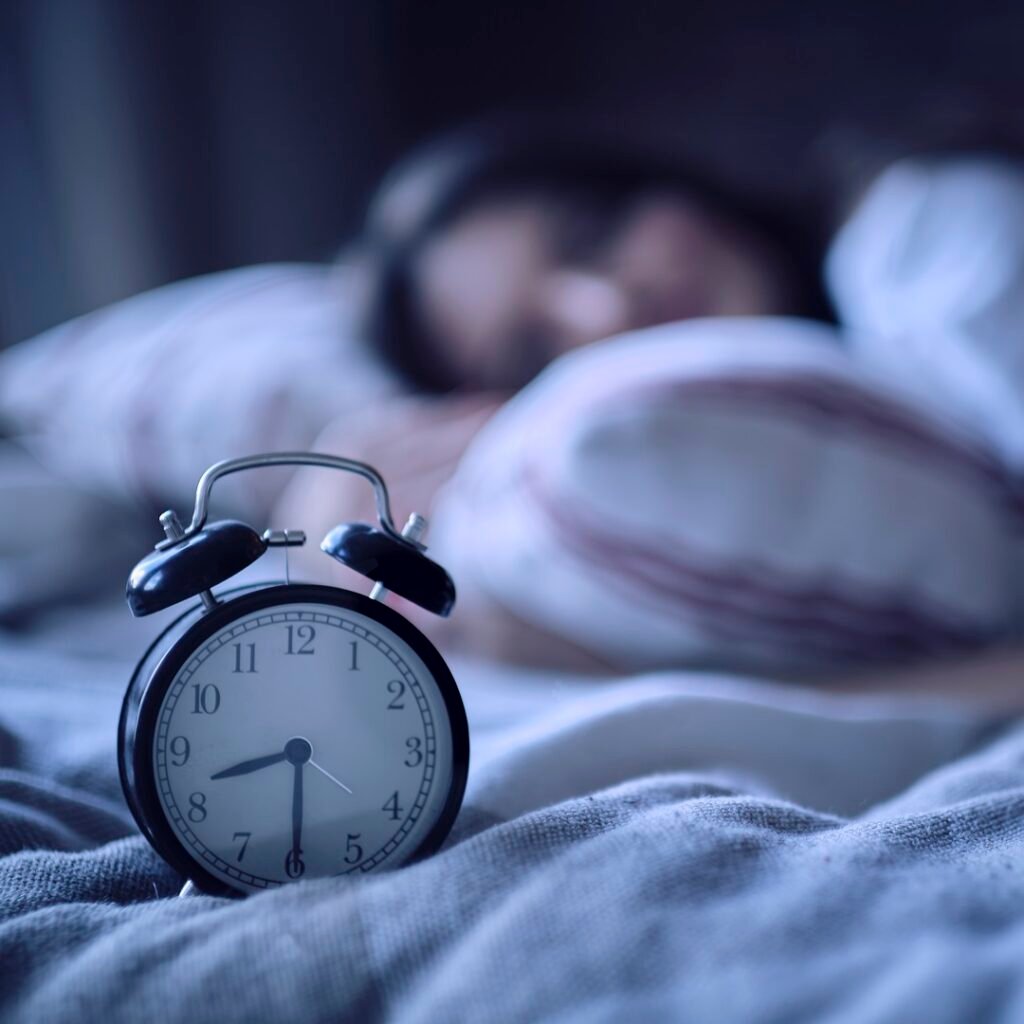
Your body craves routine. When you go to sleep at odd hours — 8 AM one day, 1 PM the next — your internal clock never gets well adjusted. No matter how many hours you put in, you’ll go home exhausted.
The fix? Choose a window of sleep and guard it like it’s a second job.
If your shift is from 10 PM till 6 AM, your sleeping hours should be — without failure or exception — from 7:30 AM to 3:30 PM every day. Yes — even on your days off. Staying as close to that window as you can keeps your circadian rhythm stable.
Sleep Schedule Tips for Night Workers
Get blackout curtains for your bedroom. When you’re trying to sleep, daylight is the enemy. Even a small amount of light sneaking in signals your brain to wake.
Share your schedule with family or housemates. If you don’t want any interruptions, put a “sleeping” sign on your door. Use a white noise machine or earplugs to help mask daytime sounds.
Put your phone on Do Not Disturb. Non-urgent messages can wait. Your sleep cannot.
A Quick Comparison: Night Shift Sleep Habits That Work vs. Don’t
| What Works | What Doesn’t |
|---|---|
| Sleep/wake time at same hour every day | Random or rotating sleep times |
| Blackout curtains + eye mask | Thin curtains, letting light in |
| Phone on Do Not Disturb | Checking notifications prior to sleeping |
| White noise or earplugs | Sleeping in a noisy environment |
| Telling others your schedule | Expecting others to “just know” |
Habit 2: Take Control — Light Runs Your Body Clock
Bright Light at Night, Darkness in the Day
Light is the most potent signal your body uses to reset its internal clock. As a night shift worker, you have to flip the script on how and when you utilize it.
Bright light keeps you alert and focused during your shift. If your workplace is dark, inquire about brighter lighting or use a portable light therapy lamp at your station. Research proves that exposure to bright light during night work greatly helps to increase alertness and performance.
After your shift, you crave the opposite. You must block light on the way home and in your bedroom. If it’s already daytime when you leave, wear blue-light-blocking glasses on your drive home. This signals your brain: time to sleep.
The Blue Light Problem
Blue light — the type that comes from phones, tablets and LED screens — is particularly disruptive. It suppresses melatonin production more than almost any other wavelength of light.
Do your best to turn off screens at least half an hour before bedtime. If you can’t escape them, try to use night mode settings or blue-light-filtering glasses.
Sunrise lamps and light therapy boxes can also help keep you energized through night shifts. They are readily available and simple to use.
Habit 3: Living on a Night Shift Schedule? Eat Smart
Your Gut Has Its Own Clock — and You Are Messing With It
Here’s a little known fact: your digestive system also has its own circadian rhythm. Your body’s metabolism is naturally slower during the night. Eating a huge dinner at 2 AM is way tougher on your body than eating that same meal at noon.
Night shift workers who have large, heavy meals during their shifts often suffer bloating, acid reflux and sluggishness. It’s one of the most pervasive complaints — and among the easiest to remedy.
The night shift lifestyle requires lighter, more frequent meals instead of big sit-down dinners in the middle of the night.
What to Eat (and What Not to)
Meals to opt for when working the night shift:
- High-protein snacks (hard-boiled eggs, nuts or Greek yogurt)
- Whole grain foods that allow for gradual releases of energy and avoid sugar spikes
- Fresh fruits and vegetables for vitamins and hydration
- Water and herbal teas for hydration
Foods to limit or avoid:
- Sugary snacks and energy drinks (the crash comes fast)
- Greasy or fried foods (will make you feel heavy in the stomach during the night)
- Any caffeine 4–5 hours before your intended sleep time
Night Shift Meal Timing Chart
| Time | Recommended Meal/Snack |
|---|---|
| Before shift (7–9 PM) | Full balanced meal — protein, carbs, veggies |
| Mid-shift (12–1 AM) | Light snack — fruit, nuts, yogurt |
| End of shift (5–6 AM) | Very light meal or nothing — your body needs to wind down |
| Before sleep (after 6 AM) | Small snack only if hungry — avoid heavy food |
Caffeine: Friend or Enemy?
Caffeine is a tool, not the solution. Early in your shift, one or two cups of coffee is fine. But drinking it four or five hours before you plan on sleeping will rob your rest.
Consider switching to herbal tea or water closer to the end of your shift. Your future sleeping self will thank you.
Habit 4: Get Your Body in Motion — Exercise Is a Game Changer for Mood and Energy
Why Night Workers Skip Exercise (and Why They Shouldn’t)
When your sleep pattern is flipped and you’re tired out, exercise seems like the last thing in the world that you want to do. But here’s the bottom line: regular physical activity is one of the best tools available to help manage the night shift lifestyle.
Exercise improves sleep quality. It reduces stress. It increases serotonin — the “feel-good” brain chemical you need to remain happy. And it helps keep your body clock in check.

You don’t need a gym membership or an hour-long session. Even 20–30 minutes of moderate activity makes a significant difference.
When to Work Out on a Night Shift Schedule
The best time to work out is before the start of your shift — your “morning” workout. It jolts you awake, hones your focus and establishes a positive cadence for the evening to come.
Others like a gentle walk or stretch following their shift. That’s fine too. Just don’t do vigorous exercise right before bed — it can make falling asleep more difficult.
Try these easy fits:
- A brisk 20-minute walk before going into work
- Bodyweight exercises (push-ups, squats) on your break
- Yoga or stretching after your shift to help your body unwind
- A workout session 1–2 hours prior to your shift
Habit 5: Safeguard Your Social Life and Well-Being
The Reality (and Seriousness) of Night Shift Loneliness
Isolation is one of the unseen challenges of a night shift lifestyle. Your friends and family members are on a daytime schedule. You’re sleeping when they’re active. You’re putting in long hours when they are out having fun.
In time, that disconnection can contribute to loneliness, low mood and even depression. This isn’t just “feeling sad” — it’s an actual mental health risk that night shift workers face more than day workers do.
The good news? With a little foresight, you can maintain your relationships and safeguard your mental health.
How to Stay in Touch When Your Schedule Is Different
Make social time an appointment. Don’t leave it to chance. Select one or two times a week to spend with friends or family. Put it in your calendar and guard it.
Use evenings before your shift. You probably have a couple of hours before work begins. These are golden minutes for quick catch-ups, phone calls or a meal with someone you love.
Communicate openly. Share your schedule with the people in your life. When you explain your situation, most people are more understanding than you think.
Don’t isolate at work. Your co-workers are in the same boat. Create small friendships on your shift. Even brief, positive interactions during breaks will improve your mood significantly.
Prioritizing Your Mental Health
Night shift work is associated with higher levels of anxiety and burnout. According to the National Institute for Occupational Safety and Health (NIOSH), shift workers are at greater risk for mental health challenges and chronic stress. Here are habits that actually work:
- Journaling after your shift — write down 3 things that went well today
- Limiting alcohol — it may seem soothing, but it ruins sleep quality
- Getting professional help if you’re struggling — there is no shame in seeing a therapist
Habit 6: Create an Effective Wind-Down Ritual
Why Your Brain Needs a “Shift Change” Signal
Think about what happens when a factory switches shifts. There’s a hand-off process. A signal to tell you it’s time to quit. Your brain needs the same thing.
When you go from your high-alert work state directly to lying in bed, your brain keeps racing. You’ll replay conversations, strategize for tomorrow and fret over things you cannot control. Sleep feels impossible.
A wind-down ritual is a series of calming, predictable actions that you take every single day after your shift. Your brain, over time, learns to associate these activities with sleep. It begins releasing melatonin and slowing down long before you reach the pillow.
Building Your Personal Wind-Down Routine
A good wind-down routine ranges between 20–45 minutes. It should be screen-free (or at least low-lit), peaceful and consistent.
Ideas to include:
- A warm shower or bath — cooling off afterward promotes drowsiness
- Light stretching or gentle yoga
- Herbal tea (chamomile or lavender are good options)
- Reading a physical book (not a screen)
- Soothing music or a meditation app
- Writing in a journal
The key is consistency. Do the same routine every single day. Your body will begin to pick up the pattern quickly.
Sample Wind-Down Routine for Night Shift Workers
| Time After Shift | Activity |
|---|---|
| 0–10 minutes | Remove work clothes; take a warm shower |
| 10–20 minutes | Herbal tea + light stretching |
| 20–30 minutes | Read a physical book in dim light |
| 30–40 minutes | 5-minute breathing exercise or short meditation |
| After routine | Sleep — blackout curtains, white noise on |
Putting It All Together: Your Blueprint to Happiness on the Night Shift
Just because you’re living a night shift lifestyle doesn’t mean you need to compromise your health and happiness. But it does require intentionality. All 6 of these habits work great independently — but together, they form a powerful system that protects your body, your mood, your relationships and your future.
Start small. Take 1 habit from this list and commit to it for the next two weeks. When it feels natural, add one more. Progress over perfection is the goal.
Here is a final recap of all 6 habits:
| Habit | Core Action | Biggest Benefit |
|---|---|---|
| Consistent sleep schedule | Same sleep/wake time daily | Better sleep quality and energy |
| Light management | Block daylight; use bright light at work | Improved alertness and mood |
| Smart nutrition | Lighter night meals; limit late caffeine | Fewer digestive issues; steadier energy |
| Regular exercise | 20–30 min movement before or during shift | Mood boost; better sleep |
| Social connection | Schedule social time; communicate openly | Reduced loneliness and burnout |
| Wind-down ritual | 30–45 min calm routine after shift | Faster sleep; reduced anxiety |
Frequently Asked Questions
Q: Is the night shift lifestyle really that bad for my health? It can be — if you don’t listen to your body’s needs. But with proper habits, many shift workers live long, healthy lives. The trick is to manage sleep, light, food and stress deliberately.
Q: How long does it take to get used to working nights? Most likely it would take 1–3 weeks to adapt. Some people adjust better than others. Sticking to a consistent schedule makes the process considerably faster.
Q: Will I ever be able to return to a normal schedule on weekends? The back-and-forth is the hardest on your body. If you have to, try slowly transitioning — not cold turkey. But it’s much healthier to stick as close to your night schedule on off days as possible.
Q: What’s the one change you’d recommend night shift workers start with? A consistent sleep schedule. Once your body has clarity about when it’s supposed to be sleeping and when it’s supposed to be awake, everything else comes naturally.
Q: What should I do about social events that fall within my “sleep time”? Plan ahead. If you know that there is an important event coming, gradually adjust your sleep window by 1–2 hours over the course of several days. Don’t jump straight into it — that’s the quick road to exhaustion.
Q: Is it a good idea to nap during a night shift? Yes, when allowed. A 10–20 minute nap will significantly improve alertness. Skip long naps during shifts — they lead to sleep inertia (that foggy, confused feeling).
Final Thoughts
The culture of working nights is a tough one. There’s no sugarcoating that. But it is also populated by people who make it all work beautifully — nurses, security officers, drivers, factory workers and many others who have learned to live well on a flipped schedule.
The 6 habits in this guide — routine sleep, smart light use, mindful eating, steady movement, strong social ties and a soothing wind-down — aren’t radical changes. They’re small, everyday choices that add up to a fundamentally improved quality of life.
You chose the night shift for a reason. And while you’re at it, make sure you also choose to take care of yourself.
Related Post

9 NightShiftLiving Lifehacks for Work-Life Balance
Working nights is tough. Your body fights you. Your social life shrinks. And sleep is…