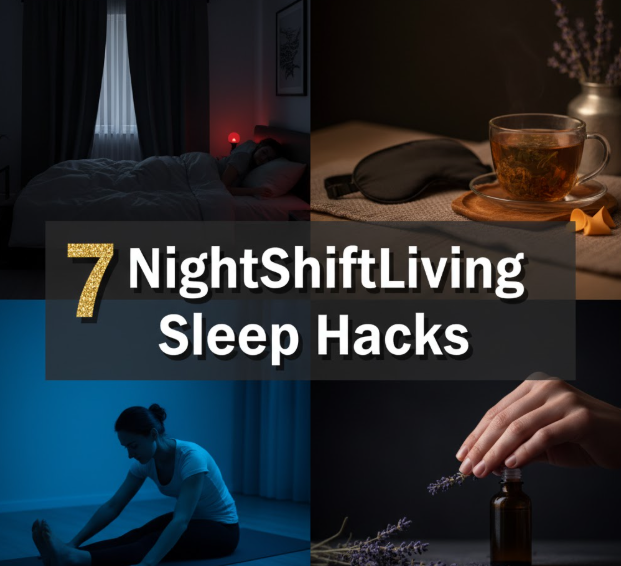
6 Simple NightShiftLiving Sleep Upgrades for Better Rest
>> Sleep NightShiftLiving>> 6 Simple NightShiftLiving Sleep Upgrades for Better Rest
6 Simple NightShiftLiving Sleep Upgrades for Better Rest
Working nights flips your world upside down.
While the rest of the city is winding down, you’re gearing up. When sunlight fills the sky, your body is supposed to rest—but it often refuses. The result? Broken sleep, constant fatigue, mood swings, and that never-ending feeling of being “off.”
If you’re living the night shift life, you already know: sleep isn’t just sleep anymore—it’s a strategy.
The good news? You don’t need expensive gadgets or complicated routines to fix it.
In this guide, we’ll walk through 6 simple but powerful NightShiftLiving sleep upgrades that can dramatically improve your rest, energy, and overall well-being.
Why Night Shift Sleep Feels So Hard
Before jumping into solutions, it helps to understand the problem.
Your body runs on a circadian rhythm—a natural internal clock that tells you when to sleep and wake. It’s heavily influenced by light and darkness.
Night shift workers face three major challenges:
- Daylight suppresses melatonin (sleep hormone)
- Noise levels are higher during the day
- Social schedules clash with sleep routines
Quick Comparison: Day vs Night Workers
| Factor | Day Workers | Night Shift Workers |
|---|---|---|
| Sleep Time | Night (natural) | Day (unnatural) |
| Light Exposure | Low | High |
| Noise Level | Quiet | Often noisy |
| Social Alignment | High | Low |
| Sleep Quality | Deep & consistent | Light & fragmented |
1. Control Your Light Like a Pro
Light is the #1 factor affecting your sleep.
If you do nothing else—fix this.
What to Do
- Wear dark sunglasses when heading home after your shift
- Use blackout curtains in your bedroom
- Turn off bright screens 30–60 minutes before sleep
- Use warm, dim lighting before bed
Why It Works
Light tells your brain: “Stay awake.”
Darkness tells your brain: “Time to sleep.”
Light Control Setup Table
| Tool | Purpose | Cost Level |
|---|---|---|
| Blackout Curtains | Block sunlight completely | Low–Medium |
| Sleep Mask | Extra darkness | Low |
| Warm Light Bulbs | Reduce stimulation | Low |
| Sunglasses | Reduce morning light exposure | Low |
2. Build a Fixed Sleep Routine (Even on Days Off)
One of the biggest mistakes night workers make?
Sleeping randomly.
Your body loves consistency—even if your schedule is unconventional.
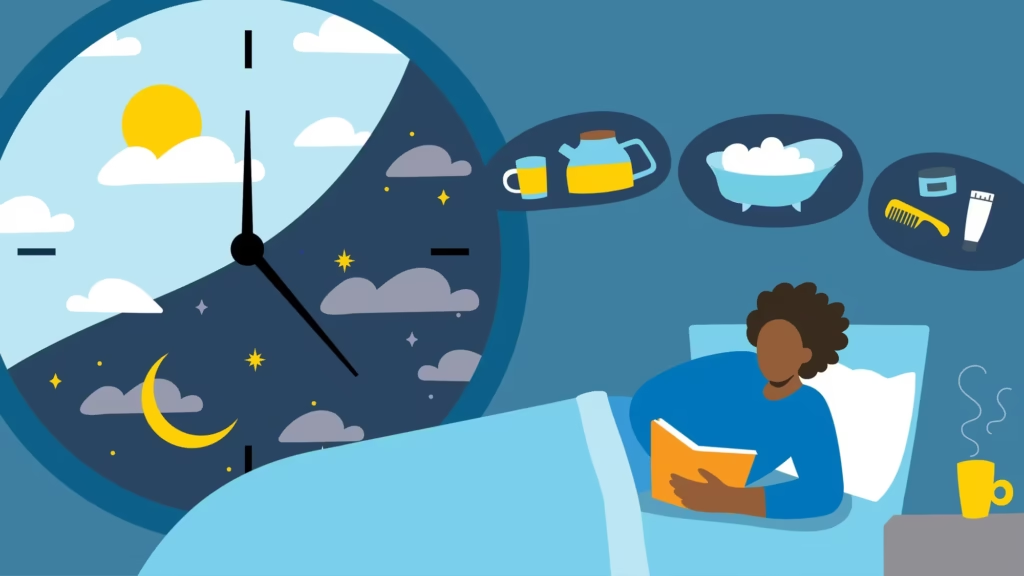
Ideal Routine Example
| Time | Activity |
|---|---|
| 7:00 AM | Finish shift |
| 7:30 AM | Light snack + wind down |
| 8:00 AM | Sleep |
| 2:00 PM | Wake up |
Key Tips
- Sleep at the same time daily (even weekends if possible)
- Avoid switching back to a “day schedule” frequently
- Keep your sleep window consistent (6–8 hours)
3. Upgrade Your Sleep Environment
Your room should feel like a cave—cool, dark, and silent.
The Ideal Sleep Environment
| Factor | Ideal Setting |
|---|---|
| Temperature | 18–22°C |
| Light | Completely dark |
| Noise | Minimal / controlled |
| Mattress | Comfortable & supportive |
Simple Upgrades
- Use earplugs or white noise
- Invest in a better pillow
- Declutter your sleeping space
- Keep your room cool
A small change here can make a massive difference.
4. Eat Smart Before Sleep
What you eat before bed can either help or ruin your sleep.
What to Avoid
- Heavy meals
- Caffeine (within 6 hours)
- Sugary snacks
What Helps
- Light snacks
- Protein + complex carbs
- Herbal tea
Pre-Sleep Food Guide
| Food Type | Effect on Sleep |
|---|---|
| Caffeine | Disrupts sleep |
| Sugary foods | Causes energy spikes |
| Bananas | Promote relaxation |
| Oats | Help melatonin |
| Almonds | Support deeper sleep |
5. Use Strategic Naps (Not Random Ones)
Naps are powerful—but only if used correctly.
The Right Way to Nap
- Keep naps 20–30 minutes
- Nap before your shift, not after
- Avoid long naps close to sleep time
Nap Timing Chart
| Nap Duration | Effect |
|---|---|
| 20 mins | Boost alertness |
| 30 mins | Improve focus |
| 60+ mins | Can cause grogginess |
6. Create a Wind-Down Ritual
You can’t go from full alert mode to deep sleep instantly.
Your brain needs a signal.
Simple Wind-Down Routine
- Take a warm shower
- Read something light
- Avoid social media
- Practice deep breathing
Example Routine
| Step | Duration |
|---|---|
| Shower | 10 mins |
| Light snack | 10 mins |
| Reading | 15 mins |
| Lights off | — |
Consistency here is key.
Putting It All Together
Here’s a quick summary of your upgraded sleep system:
| Upgrade | Impact Level |
|---|---|
| Light Control | Very High |
| Fixed Routine | Very High |
| Sleep Environment | High |
| Smart Eating | Medium |
| Strategic Naps | Medium |
| Wind-Down Ritual | High |
Final Thoughts
Zeeshan, if you’re serious about improving your night shift life, start small.
You don’t need to fix everything overnight.
Pick 2 upgrades today—maybe light control and sleep routine—and stick with them for a week.
Then build from there.
Because here’s the truth most people ignore:
Night shift life doesn’t have to feel exhausting—if you learn how to work with your body instead of against it.
FAQs
1. How many hours should night shift workers sleep?
Most night shift workers need 6–8 hours of sleep daily, just like day workers.
2. Is it okay to switch sleep schedules on weekends?
It’s not ideal. Frequent switching confuses your body clock and reduces sleep quality.
3. What is the best time to sleep after a night shift?
As soon as possible after your shift—preferably within 1 hour.
4. Do blackout curtains really help?
Yes. They significantly improve sleep by blocking sunlight and boosting melatonin production.
5. Should I take melatonin supplements?
They can help, but it’s best to consult a doctor before regular use.
6. Why do I feel tired even after sleeping?
Poor sleep quality, inconsistent schedules, or light exposure may be the cause—not just sleep duration.
Related Post

9 Sleepless Sleep Tactics for Defeating Fatigue Forever — Smart Strategies for NightShiftLiving
While a good chunk of the world is sleeping, you're clocking in. And when the…