9 Simple NightShiftLiving Health Habits to Stay Fit at Night
>> Health NightShiftLiving>> 9 Simple NightShiftLiving Health Habits to Stay Fit at Night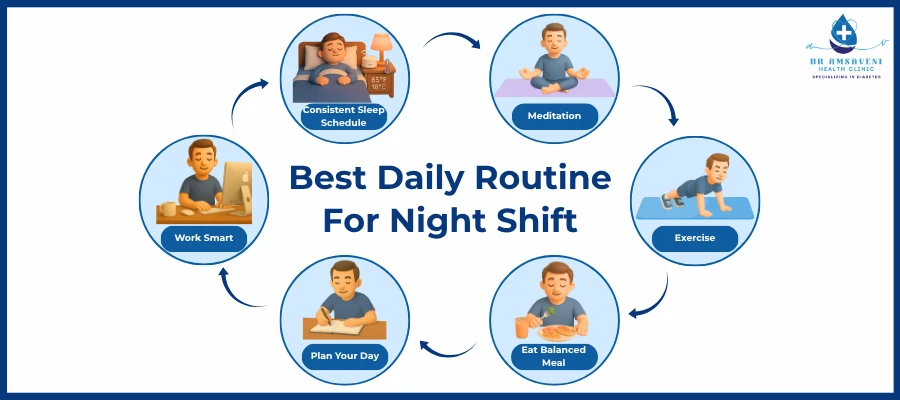
9 Simple NightShiftLiving Health Habits to Stay Fit at Night
Working the night shift changes everything about how your body feels day to day. I’ve been pulling graves for eight years now—first as a warehouse loader, then in a hospital kitchen, and lately doing security at a data center—and I learned the hard way that you can’t just flip your schedule and expect to stay fit like the nine-to-fivers. Your internal clock fights you every step. Melatonin wants to kick in at dawn, cortisol spikes when everyone else is winding down, and the world around you keeps screaming daylight hours. The trick isn’t fighting it with willpower alone. It’s building tiny, repeatable habits that work with the upside-down life instead of against it. These nine habits saved my energy, my waistline, and my sanity. They’re simple on purpose because when you’re dragging at 3 a.m., complicated plans fall apart. I’ve tested them through brutal double shifts, family emergencies, and even that one summer when the AC broke in my apartment. They work. Here’s exactly how I do them and why they matter more than any fancy supplement or gym membership.
- Lock in the exact same bedtime and wake time every single day, even on your days off
The biggest mistake most night shifters make is treating weekends like a reset button. You stay up late Friday because you finally have “normal” hours, crash until noon Saturday, then try to flip back Sunday night. Your body pays for it with that zombie feeling Monday. I used to do this and my weight crept up, my mood tanked, and I caught every cold going around the crew. Now I treat my sleep window like it’s sacred. For me that means 9 a.m. to 5 p.m. every day of the week. No exceptions unless the building is literally on fire.
Why does this matter so much? Your circadian rhythm doesn’t care about your paycheck. It runs on a roughly 24-hour loop controlled by the suprachiasmatic nucleus in your brain. When you anchor sleep to the same hours, you stop fighting that loop and start riding it. Studies on shift workers show that consistent timing cuts insomnia by up to 40 percent and keeps metabolism steadier. I don’t have lab equipment, but I track it myself with a cheap sleep app and a wristband. My resting heart rate dropped ten beats once I stopped flipping.
How do I actually stick to it? Blackout curtains that could block a nuclear flash, white noise machine dialed to steady rain, and a phone alarm that says “BED NOW” in big letters so I can’t ignore it. On days off I still eat breakfast at 5:30 p.m. like it’s my “morning.” Friends think I’m weird when I leave barbecues at 8 p.m., but they don’t see me at 2 a.m. feeling fresh while they’re yawning. Start with just three days in a row of the same window and watch how much easier the fourth becomes. The first week feels brutal, like you’re jet-lagged in your own house, but by week two your body starts expecting sleep at that hour and gives it to you faster. That’s the real win—deeper sleep in fewer hours, which leaves room for actual life instead of constant exhaustion.
I remember one off-weekend when my sister’s wedding was in the afternoon. I still woke at 5 p.m. the day before, napped two hours before the ceremony, and was the only one not nodding off during the long reception. Everyone else complained about the heat; I felt normal. That’s when I knew the habit had stuck. Don’t aim for perfection right away. Miss a day? Just snap back the next. The consistency compounds like interest in a bank account—small deposits of good sleep add up to huge energy reserves.
- Turn your bedroom into a cave that tricks your brain into thinking it’s midnight

Daytime sleep is the enemy for most of us. Sunlight leaks through blinds, traffic noise hits different frequencies, and your neighbor decides 10 a.m. is perfect for lawn mowing. I lived like that for two years and woke up every shift feeling half-dead. Then I spent one weekend and about two hundred bucks turning my room into a sleep fortress. Best money I ever spent.
Start with total darkness. I layered blackout curtains over regular ones and added a towel rolled at the bottom of the door. Zero light. Your pineal gland pumps out melatonin only when it senses darkness; any glow from a phone charger or streetlamp kills that. I even cover the digital clock with a sock. Next, temperature. Keep the room at 60-67 degrees Fahrenheit. I use a small fan blowing across the bed and a cooling gel pillow. Hot rooms fragment sleep stages, especially the deep REM you need to repair muscle and regulate appetite hormones.
Sound control comes next. I run a white-noise machine on low but steady. Not the ocean waves that start and stop—those wake you up. Plain brown noise or fan works better for me. Earplugs as backup if the neighbor’s dog decides to bark. Then the bed itself. I switched to a firm mattress topper because my old sagging one made my back ache after eight hours. Add a weighted blanket if you like that hugged feeling; it cuts anxiety that spikes when you’re trying to sleep while the world is awake.
The payoff shows in weird places. My digestion settled—no more random heartburn at 3 a.m. My skin cleared up because inflammation markers drop when sleep quality rises. And most importantly, I stopped craving junk food at break time. Poor sleep messes with leptin and ghrelin, the hunger hormones, so you think you’re starving when you’re just tired. Fix the cave and the cravings quiet down. I’ve had roommates try this setup and they text me months later saying their doctor is shocked at their blood pressure numbers. It’s not magic. It’s just giving your body the environment it evolved for, even if the clock says noon outside.
One tip I learned the hard way: keep the cave for sleep only. No laptop in bed, no scrolling in the dark. Train your brain that this space equals rest and nothing else. Takes a couple weeks but once it clicks, you fall asleep faster than any pill could help.
- Eat like your “day” starts at sunset—real food at real times for your body
Night shift eating is a trap. Cafeterias push pizza at 2 a.m., vending machines glow with candy, and you’re starving because your stomach clock is upside down. I used to live on energy drinks and gas-station burritos. Gained thirty pounds in eighteen months and felt bloated all the time. Then I flipped my meal timing to match my internal day instead of the wall clock.
My schedule looks like this: first “breakfast” at 6 p.m. before shift—eggs, oats, fruit, something with protein and fiber. “Lunch” at midnight—grilled chicken, rice, veggies I prepped the day before. “Dinner” at 4 a.m.—lighter, maybe yogurt with nuts or a smoothie so I’m not digesting heavy food right before sleep. Then a small snack at 5:30 p.m. when I wake up, like apple with peanut butter. Nothing after that until the next evening.
The science here is simple but powerful. Your gut has its own circadian rhythm. Enzymes for digestion peak during your active hours. Eat heavy food when your body expects rest and you get reflux, slow metabolism, and weight gain. I noticed my blood sugar stayed steady once I stopped eating carbs at 3 a.m. No more crashes that sent me to the snack machine.
Practical stuff: batch cook on your “Sunday” which is actually Tuesday for me. I roast a tray of vegetables, cook proteins, portion rice or quinoa. Takes two hours and feeds me all week. Keep a small cooler at work with real food so the vending machine loses its power. Drink water with meals instead of soda—hydration helps digestion too. And yes, I still have a treat sometimes. A square of dark chocolate at 1 a.m. won’t kill you if the rest of the day is solid.
The change showed up in my clothes first. Jeans that were tight became loose without me trying. Energy stayed even instead of the 2 a.m. wall I used to hit. My doctor checked my A1C last physical and it dropped almost a full point. That’s the quiet win—preventing the diabetes risk that hits so many long-term night workers. Eat like the sun is rising when it’s actually setting and your body thanks you with steady fuel instead of fog.
- Drink water like it’s your job, but time it so you don’t drown in bathroom breaks
Dehydration sneaks up on night shifters. The air in buildings is dry, you’re moving less than day crews, and coffee or energy drinks mask the thirst. I used to finish shifts with headaches and leg cramps until I started treating water like part of my uniform.
Rule I follow: thirty ounces by the end of the first half of shift, another thirty in the second half, then taper off after 3 a.m. so I’m not waking up every hour during sleep. I add a pinch of sea salt or electrolyte powder because plain water can flush too many minerals when you’re sweating under stress. No fancy bottles needed—just a big marked jug that sits next to my workstation.
Why it works: even mild dehydration raises cortisol and slows reaction time. Night work already spikes stress hormones; don’t add fuel to that fire. I track it loosely with a phone note. When I hit my ounces, my focus lasts longer and I don’t reach for that fourth coffee. Skin looks better too—no more dry patches that made me look ten years older.
Common mistake: chugging right before bed. I learned that one after a night of constant bathroom trips. Cut liquids ninety minutes before sleep and you stay in deeper stages longer. During hot summers I freeze half the jug so it stays cold all shift and I actually enjoy sipping it. Small things like that keep the habit alive when motivation dips.
After six months of steady hydration my blood pressure readings at the company clinic improved. The nurse asked what I changed and I just said “more water.” She laughed but wrote it down. It’s that basic and that effective. Your body is mostly water—give it what it needs when your schedule is already stealing everything else.
- Move every hour even if it’s just walking the parking lot or stretching at your station

Sitting or standing still for twelve hours wrecks circulation, tightens hips, and kills posture. Day workers get natural movement walking to meetings or chasing kids. We get fluorescent lights and the same spot. I started forcing movement and it became the easiest mood booster I have.
Every hour on the hour I stand up for two minutes. If I can, I walk outside for fresh air—even if it’s just around the building. Ten laps of the parking lot at 1 a.m. under the stars clears my head better than any break room gossip. When I can’t leave my post, I do desk stretches: shoulder rolls, neck tilts, calf raises behind the counter. Looks silly but nobody cares at night.
The body needs movement to process stress hormones and deliver oxygen to the brain. Night shifts raise inflammation markers; short bursts of activity bring them down fast. I noticed my lower back pain that used to flare every week disappeared once I added this. Plus the endorphins kick in and the last four hours feel less like torture.
I keep resistance bands in my locker for quick arm work during longer breaks. Nothing heavy—just enough to remind muscles they exist. On slow nights I’ll do bodyweight squats in the hallway. Sounds ridiculous but my resting metabolism climbed because muscle burns more calories even at rest. Clothes fit better without extra dieting.
One winter I slipped on ice during a parking lot walk and twisted my ankle. That taught me to keep movements safe and controlled. Start tiny—thirty seconds if two minutes feels impossible. Build from there. The habit compounds: better blood flow, less stiffness, clearer thinking. I’ve seen guys on my crew drop their blood pressure meds after adding consistent movement. Not because they became athletes, but because they stopped being statues for twelve hours straight.
- Control light like it’s the most powerful drug in your life
Light is the boss of your circadian rhythm. Blue light from screens tells your brain “wake up” even at 4 a.m. Sunlight when you drive home screams “stay awake” when you need sleep. I treat light like medicine—right dose, right time.
During shift I wear blue-light blocking glasses after midnight. Cheap yellow ones from the drugstore work fine. They cut the artificial daylight from monitors so melatonin can start creeping up. Phone and computer get night mode at full strength too. At home before bed I keep lights dim—red bulb in the bathroom, warm lamps only. Then, when I wake up at 5 p.m., I get fifteen minutes of bright outdoor light right away. That tells my brain “your day starts now.” Even cloudy days work; just step outside.
The difference is huge. I fall asleep in under twenty minutes instead of staring at the ceiling for an hour. Morning light exposure also helps vitamin D levels which drop hard for night workers. My seasonal mood dips basically vanished. Energy feels more stable instead of the rollercoaster I used to ride.
Avoid the trap of sunglasses on the drive home if you can. You need that natural light cue to anchor your internal clock. I wear them only if the sun is blinding me into headache territory. Indoors, I use a cheap light therapy lamp for ten minutes if the weather is awful. Consistency here beats perfection. Miss a day? No big deal. But stack enough right light days and your body stops fighting the schedule.
I read somewhere that properly timed light can shift your clock by two hours in a week. I believe it because that’s how fast I adjusted when I changed jobs last year. Light control is free, takes zero willpower once you buy the glasses, and pays off every single day.
- Build a ten-minute wind-down ritual that signals sleep no matter what the clock says
Your brain needs a transition from work mode to rest mode. Without it you lie there replaying shift drama or worrying about tomorrow. I created a short ritual that works like a switch.
As soon as I get home I shower—always warm, never hot. Then I drink a small cup of herbal tea (chamomile or valerian) while I write three things I’m grateful for in a cheap notebook. Nothing deep—just “the coffee was hot tonight” or “nobody got hurt on my watch.” Then I read fiction for exactly ten minutes on my e-reader with the light dimmed. Lights out at the same time every day.
The gratitude part sounds cheesy but it lowers cortisol faster than anything else I’ve tried. Reading fiction distracts the monkey mind without stimulating it like news or social media. The shower washes away the work smells and the mental weight. Together they tell my nervous system “shift is over, safe to rest.”
I used to doom-scroll until my eyes burned. Sleep took forever and was shallow. Now I’m out fast and stay out. The ritual also protects against the “I’ll just check one more thing” trap that destroys schedules. Ten minutes feels doable even when you’re exhausted. Over time it becomes automatic—like brushing teeth.
One night I forgot the whole thing because of a family emergency. I tossed for hours. That proved how powerful the small steps are. Bring the ritual on vacation too. I’ve done it in hotel rooms with a travel tea kit. Keeps the body clock steady when everything else changes.
- Use caffeine like a scalpel, not a sledgehammer
Coffee is the night shifter’s best friend and worst enemy. I love it but I respect it now. Used to drink it until the last hour of shift and then wonder why I couldn’t sleep. Rookie mistake.
My rule: one big cup at the start of shift, maybe a small one at the four-hour mark if I’m dragging. Nothing after 2 a.m. ever. I switched to half-caf for the second cup so the tail doesn’t linger. Green tea in the early morning hours if I need a gentle lift—less jittery.
Caffeine blocks adenosine, the chemical that builds sleep pressure. Let it wear off before your bedtime and adenosine can do its job. Half-life is about six hours for most people, so timing matters. I track how I feel the next day and adjust. Some shifts I skip the second cup entirely and feel clearer.
The bonus is I don’t get the afternoon (my afternoon) crash anymore. Energy feels smoother. Blood pressure stays lower too—caffeine spikes it when overused. I still enjoy the ritual of making a fresh pot at 6 p.m. It starts my “day” with intention instead of desperation.
Watch hidden sources. Energy drinks, chocolate, even some pain meds have caffeine. I read labels now. And on off nights I go completely clean so my tolerance doesn’t climb. Keeps the tool sharp when I really need it.
- Track three simple numbers every week and adjust before problems grow
The last habit ties everything together. I don’t keep a complicated journal. Just three things on my phone notes every Sunday (my Tuesday): average sleep hours, how I rate energy on a 1-10 scale, and weight or waist measurement. That’s it.
Looking at the numbers shows patterns fast. If sleep drops below seven hours for two weeks, I check light control and ritual. If energy tanks, maybe hydration or movement slipped. Weight creeping up? Look at meal timing. No guessing, just data.
I review it while drinking my wake-up coffee. Takes five minutes. Then I pick one tiny tweak for the week ahead. Nothing overwhelming. That’s how I caught my vitamin D dropping last winter—energy was low despite good sleep. Added a supplement and outdoor light time and numbers bounced back.
Tracking removes emotion. Instead of “I feel awful, everything sucks,” I see “sleep was 6.2 hours, time to fix the curtains.” Keeps me honest and motivated because progress is visible. Friends who tried it say the same—small changes stick when you can see them working.
I’ve kept this going for three years now. My doctor actually looks forward to my visits because my numbers are better than most day workers my age. Not because I’m special. Because I stopped guessing and started measuring what matters.
These nine habits aren’t flashy. No expensive gadgets or extreme diets. Just steady, repeatable actions that respect the reality of living opposite the sun. Some days I still slip—life happens—but the framework pulls me back fast. If you’re new to nights, start with sleep timing and the cave. Those two give the biggest bang. Add one more habit every couple weeks and you’ll build momentum without burnout. The goal isn’t to become a superhuman. It’s to feel normal, or even good, while everyone else is sleeping. I’m living proof it works. You can too. Just pick one tonight and begin. Your body has been waiting for this.
Related Post
11 NightShiftLiving Health Boosters to Crush Shift Life
Another punch for your body: working shifts. The evidence is in — people working nights,…