
11 NightShiftLiving Sleep Tips for Shift Workers
>> Sleep NightShiftLiving>> 11 NightShiftLiving Sleep Tips for Shift Workers
11 NightShiftLiving Sleep Tips for Shift Workers
Night shifts, early mornings, or rotating shifts are hard on the body. Your brain has a clock — the circadian rhythm — and when you engage in shift work, that clock is thrown out of balance. The result? Agonisingly poor sleep, permanent exhaustion, and a sense that no amount of rest is enough.
But here’s the good news: with NightShiftLiving sleep ideas that are well-suited to your lifestyle, you can sleep more soundly, feel more awake, and reclaim control over your slumbers! This guide lists 11 real, tested strategies designed specifically for those who work outside the 9-to-5.
Why It’s So Tough for Shift Workers to Sleep
Before we dive into the solutions, it is helpful to understand why, exactly, this problem exists.
When it gets dark, your body releases a sleep hormone called melatonin. This is the system for those who sleep at night. But for workers on the shift, daylight is pouring in through the windows just when the body should start winding down.
Add in noise from traffic and family activity, as well as the stress of erratic schedules, and it’s no wonder that shift workers report sleeping one to four fewer hours per day than day workers.
The good news? Each of these problems has a fix.
1. Adjust Your Bedroom Into a Daytime Sleep Cave
The number one enemy of daytime sleep is light.

Even little bits of light — a sliver under the door or morning sun around the curtains — signal your brain to wake up. This is the first most meaningful NightShiftLiving sleep suggestion you can apply.
What to do:
- Install blackout blinds or blackout curtains. They wipe out 99% of outdoor light.
- Put black electrical tape or covers over LED indicator lights on devices.
- Wear a sleep mask as backup.
The darker your room is, the more quickly your melatonin rises and the less difficult it becomes to go — and stay — asleep.
Temperature Matters Too
Keep your bedroom between 60°F and 67°F (15°C to 19°C). During sleep, your body temperature naturally decreases, and a cool room helps facilitate that process. A cheap fan or a programmable thermostat can do wonders here.
2. Create a Sleep Schedule and Stick to It
When it comes to shift work sleep, consistency is key.
Your body’s internal clock can be pretty flexible — but only if you train it. The more consistent your sleep window, the better your body gets at preparing for rest when it’s supposed to.
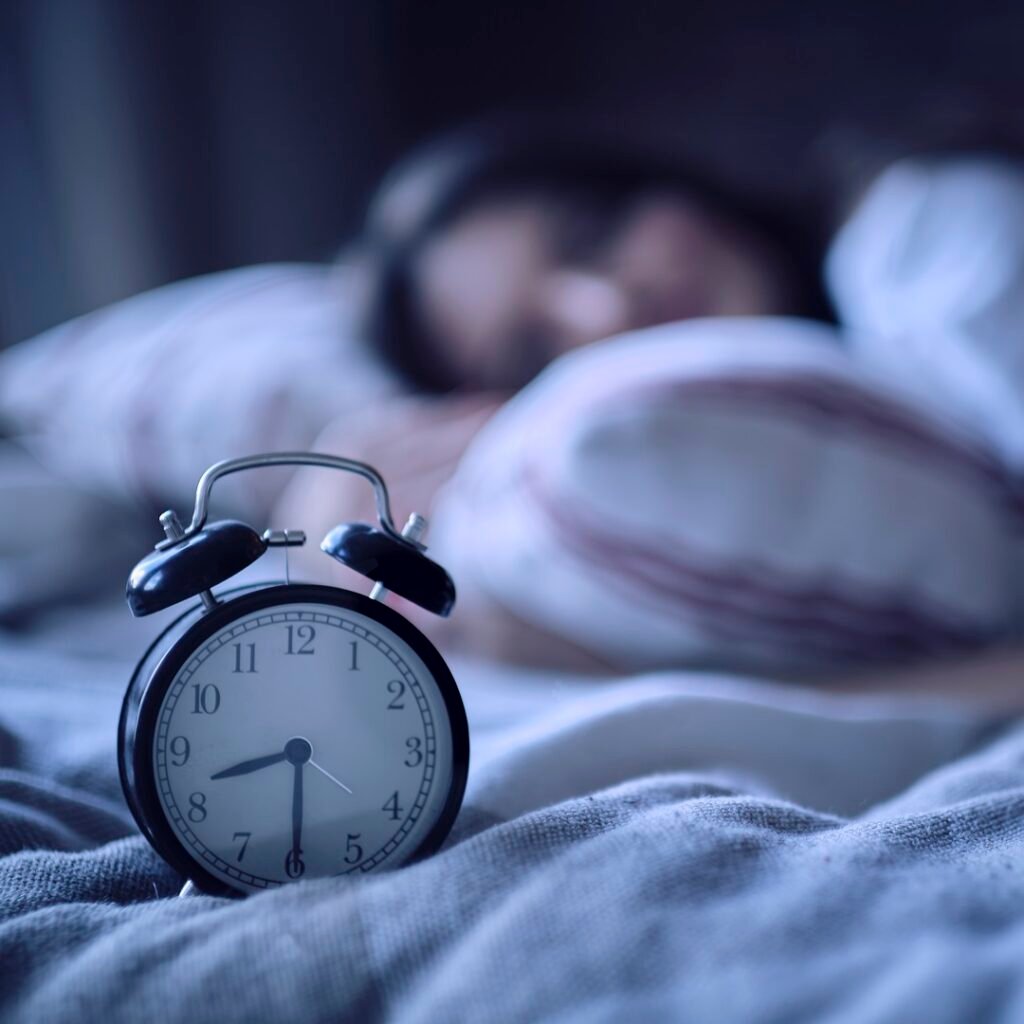
The basic approach:
- Sleep at the same time every day within 30 minutes, even on days off.
- Set a “do not disturb” alarm to guard your sleep window.
- Don’t change your schedule significantly on days off.
Yes, that means resisting the urge to revert to a nocturnal routine on the weekends. That flip-flopping is one of the main reasons shift workers feel chronically jet-lagged.
What If Your Shift Rotates?
Rotating shifts make consistency harder. If that’s the case, attempt to adjust your sleep window slowly — change it by 1 to 2 hours a day instead of abruptly going from daytime sleep to nighttime sleep. This allows your circadian system to reset.
3. Light as a Weapon — Bright Light and Block Out
It’s not just sleep that light governs; it regulates your whole biological clock.
Light exposure, when used correctly, is one of the most potent NightShiftLiving sleep hacks there is. If misapplied, it can ruin your sleep for days.
Before your shift:
Get exposure to bright light — natural sunshine or a light therapy lamp — when you want to feel alert. If you work nights, this is afternoon or early evening light.
After your shift:
Use blue-light-blocking glasses or sunglasses while commuting home. Morning sunlight signals your brain it’s time to wake up, but you want to sleep.
Light therapy lamps:
These lamps simulate sunlight and are clinically proven to help shift workers realign their internal clocks. Utilize them for 20 to 30 minutes at the beginning of your “day” (whenever that is).
4. Tackle the Noise Problem Head-On
Daytime is noisy. Lawnmowers, cars, children, delivery trucks — these sounds don’t quit because you need to sleep.
After light, noise is the second greatest obstacle to daytime sleep. Even if noise doesn’t completely wake you, it disrupts your sleep and prevents you from reaching the deep, restorative stages.
Proven solutions:
| Method | Cost | Effectiveness |
|---|---|---|
| Foam earplugs | Very low | High (for continuous noise) |
| White noise machine | Low to medium | Very high — masks irregular noise |
| Box fan | Low | Good (doubles as room cooling) |
| Noise-canceling headphones | Higher | Excellent (for extreme noise) |
| Soundproofing curtains | Medium | Good (traffic noise) |
The most popular choice for shift workers is a white noise machine. It creates a uniform sound “wall” that deadens uneven, jarring sounds like doors banging or dogs barking.
Talk to the People You Live With
This step gets overlooked. A straightforward family or housemate discussion about your sleep window can reduce noise more than any gadget. Request they use headphones, refrain from vacuuming within earshot of your room, and not knock during your sleep block. Once people understand the situation, they’re usually happy to help.
5. Design a Wind-Down Routine That’s Actually Effective
Your brain does not simply turn off like a light. It needs a transition.
A wind-down routine is a series of soothing activities you engage in before sleep to cue your brain that rest is approaching. This is both one of the most overlooked NightShiftLiving sleep ideas and one of the best.
A simple 30-minute wind-down routine:
- Change out of work clothes the moment you get home.
- Take a warm shower or bath (the drop in body temperature afterward signals sleep).
- Dim lights in your home.
- Stay screen-free for the last 20 minutes, or use blue-light filtering mode.
- Perform light stretching or deep breathing for 5 to 10 minutes.
The goal is to put this routine on autopilot. After a few weeks, starting just the first step will begin triggering sleepiness.
What to Avoid Before Sleep
Avoid anything that spikes your heart rate or stress levels: vigorous exercise, heated conversations, stressful news, and heavy meals. These can postpone sleep onset by 30 to 90 minutes.
6. Use Melatonin the Right Way
Melatonin is not a sleeping pill. It’s a timing signal.
Most shift workers take melatonin at the wrong time and wonder why it doesn’t work. When used properly, it is an excellent NightShiftLiving sleep idea for resetting your internal clock.
How to use it properly:
- Take 0.5 mg to 1 mg, 30 to 60 minutes before your desired sleep time.
- Higher doses (3–5 mg) are not more effective and may cause grogginess.
- Use consistently for 3 to 5 days to shift into a new rhythm.
- Don’t depend on it daily in the long run — it’s ideal for rhythm adjustment.
Talk to your doctor first about taking melatonin, especially if you take other medications.
7. Master the Strategic Nap
Napping has a bad reputation. But for people working shifts, a well-timed nap serves as a performance and safety tool.
Research indicates that shift workers who nap before or during their shifts commit fewer errors and feel markedly more alert. The key is timing and length.
The two nap types that work:
Pre-shift nap
2–3 hours before work
- Duration: 90 minutes maximum
- Provides a full sleep cycle without overnight grogginess
- Best for long or back-to-back shifts
On-shift nap
If your employer allows it
- Duration: 10 to 20 minutes max
- Known as a “power nap”
- Avoids deep sleep and grogginess
- Set an alarm — every time
The “Caffeine Nap” Trick
Drink a coffee just before your power nap. It typically takes 20 minutes for caffeine to kick in. By the time you rouse from your nap, the caffeine is kicking in — providing you with a double shot of alertness. This has surprisingly been found to work and is commonly used by night shift workers and emergency personnel.
8. Rethink What You Eat and When
What you eat — and when you eat it — can directly affect how well you sleep, and how alert you feel during your shift.
The digestive system has its own clock. Eating large meals forces your gut to be active when it’s trying to rest. That causes discomfort and bloating, not to mention shallow sleep once you do lie down.
Eating guidelines for shift workers:
- Make your biggest meal before your shift, not during it.
- During your shift, nibble on lighter foods: fruit, nuts, yogurt, whole grain crackers.
- Avoid high-sugar, processed snacks — they lead to energy crashes 30 to 60 minutes later.
- If you need something, eat a small snack after your shift (banana and peanut butter is a great go-to).
- If possible, avoid eating within 2 hours of sleep. Digestion raises your core body temperature, which is counterproductive to falling asleep.
Hydration Counts
Dehydration produces fatigue that feels like sleep deprivation. Take a slow and steady approach to drinking water during your shift. Limit fluids in the 90 minutes before sleep so that you aren’t waking to use the bathroom.
9. Get Your Caffeine Timing Right
Caffeine is the most commonly used tool for shift workers. But it actively degrades sleep quality when used poorly.
The half-life of caffeine is around 5 to 6 hours. So if you have a coffee at 4 a.m., half of that caffeine is still in your system at 10 a.m. — exactly when you’re trying to get some sleep.
For a deeper look at how shift work affects your overall health and sleep biology, the Sleep Foundation’s guide on shift work disorder is an excellent external resource backed by sleep science research.
The shift worker caffeine strategy:
- Consume caffeine early in your shift (or before it) to enhance initial alertness.
- Cut caffeine intake at least 6 hours before your planned sleep time.
- Don’t rely on caffeine to cover up dangerous tiredness — this masks a safety risk.
- Define a full “caffeine cut-off” window and defend it daily.
On a night shift that ends at 6 a.m., with plans to sleep around 8 a.m., your last coffee has to be by 2 a.m.
10. Keep Your Sleep Environment Safe From Intrusions
An ideal sleeping environment makes no difference if you get interrupted.
Interrupted daytime sleep is one of the most common complaints among shift workers. Deliveries, phone calls, family members — all solvable problems with the right setup.
Practical protection steps:
- Put your phone on “Do Not Disturb” mode and only whitelist real emergencies.
- Leave a note on your door: “Night shift worker sleeping — please don’t knock until [time].”
- Use a doorbell silencer or disconnect it during your sleep hours.
- If possible, enlist someone in your household to serve as your “gatekeeper.”
- If you have kids, align their schedules with your partner or caregiver.
The Psychology of Defensive Sleep
Many shift workers feel guilty about sleeping when others are awake. This mentality causes them to interrupt their own sleep to take care of things that could be done later.
Remind yourself: your sleep is not optional. It is a health necessity. Protecting it means protecting your safety at work and your long-term health.
11. Exercise — But Time It Right
Exercise aids sleep, reduces stress, and increases energy levels during shifts. But the timing is crucial for shift workers.
Intense exercise increases your body temperature and releases adrenaline — two things that actively delay sleep. If you exercise just before bed, you may be lying awake for an extra hour.
The shift worker exercise plan:
- Exercise 3 to 4 hours before sleeping, not right beforehand.
- Morning (post-shift) exercise: if you work nights and sleep during the day, exercise shortly after finishing your shift — but then wind down before sleep.
- Gentle movement like walking or stretching closer to sleep is good and actually helpful.
- Consistency is more important than intensity — a 30-minute walk five times a week helps more than one high-speed session at the gym.
Both resistance training and cardio improve sleep. Pick something that you enjoy so that you’ll actually stick with it.
Quick Reference: NightShiftLiving Sleep Strategy Table
| Sleep Tip | Best For | Results Time |
|---|---|---|
| Blackout curtains | Daytime sleepers | Immediate |
| Consistent sleep schedule | All shift types | 1–2 weeks |
| Light therapy lamp | Night, rotating shifts | 3–5 days |
| White noise machine | Noisy environments | Immediate |
| Wind-down routine | Everyone | 1–2 weeks |
| Melatonin (low dose) | Rhythm reset | 3–5 days |
| Strategic napping | Long shifts/fatigue | Immediate |
| Nutrition timing | All shift workers | 1 week |
| Caffeine cut-off window | All shift workers | Immediate |
| Timed exercise | All shift workers | 2–3 weeks |
Putting It All Together: Your NightShiftLiving Sleep Plan
There is no one tip that will change your sleep overnight. But combining a number of these NightShiftLiving sleep ideas creates a compound effect — each one drives support for the others.
If you’re looking for even more resources tailored to life on irregular hours, NightShiftLiving is a dedicated hub of guides, tips, and tools built specifically for shift workers.
A realistic starting point:
- Begin with blackout curtains and a white noise machine. These have zero learning curve and immediate impact.
- This week, establish an anchor wake-up time and then guard it.
- Add a 15-minute wind-down routine before bed.
- Adjust your caffeine cut-off time.
- Slowly layer in the rest over the next few weeks.
Steady small improvements are better than dramatic overhauls. Most shift workers who stick to even three or four of these strategies say they see significant improvement in sleep within two weeks.
FAQs: NightShiftLiving Sleep Ideas
Q: What is the actual amount of sleep needed, in hours, for shift workers?
Whether sleeping during the day or night, adults require 7 to 9 hours of sleep. Most shift workers obtain 5 to 6 hours of interrupted daytime sleep, which accumulates as a chronic sleep debt over time. A 7 to 9-hour block is ideal — defend it.
Q: Is it normal to feel permanently tired as a shift worker?
Chronic exhaustion is common among shift workers, but it’s not something you have to live with. It is generally a sign that there is room to improve your sleep environment, schedule, or habits. Severe fatigue that persists despite good sleep hygiene should be evaluated by a doctor — it could be shift work sleep disorder.
Q: Is it OK to catch up on sleep during my days off?
Partially. You can pay off some sleep debt with extra rest, but it cannot fully offset the effects of chronic sleep deprivation. Even worse, different sleep schedules on days off can exacerbate the problem by throwing your circadian rhythm further out of whack. The best approach is moderate catch-up sleep with minimum disruption of the schedule.
Q: Does melatonin really work for shift workers?
Yes, but as a rhythm-adjustment tool, not as a sedative. Low doses (0.5–1 mg) of melatonin taken consistently assist in realigning your internal clock. It’s most effective when used with light management strategies.
Q: What are the foods that help shift workers remain alert without affecting sleep?
Protein-rich snacks (nuts, eggs, Greek yogurt) offer lasting energy without sugar dips. Complex carbohydrates, including those in oats and whole grains, promote the production of serotonin, which aids with sleep later. Avoid heavy, fried, or highly processed foods during your shift — they are sleep promoters and gut irritants.
Q: Is it safe to drive home after a night shift?
Night shift fatigue is associated with a dramatically increased risk of drowsy driving. If you are feeling dangerously tired, pull over and take a 20-minute nap before driving. Share a ride, take public transport, or ask someone to pick you up on especially difficult nights.
Q: How long does adapting to night shift work take?
It takes most individuals 2 to 4 weeks to partly adjust to a new shift schedule. Full adaptation is uncommon because social and environmental signals continue to pull the body toward daytime wakefulness. Consistently using the NightShiftLiving sleep strategies in this guide will fast-track that adjustment.
Final Thoughts
Shift work is gruelling, and poor sleep complicates everything — your attention, your mood, your health, and your safety. But it doesn’t have to remain that way.
The 11 NightShiftLiving sleep ideas in this guide are rooted in sleep science and real-world application. You do not have to apply all of them at once. Pick two or three to get the habit going, then add more.
Your body is adaptable. With the right setting, daily rhythm, and routine, deep and restorative sleep is achievable — even in the middle of the day.
Related Post

NightShiftLiving Sleep Solution: 6 Easy Fixes for Tired Night Workers
Why Night Workers Can't Sleep — And It's Not Their Fault You stagger home after…