

9 NightShiftLiving Lifehacks for Work-Life Balance
>> Lifestyle NightShiftLiving>> 9 NightShiftLiving Lifehacks for Work-Life Balance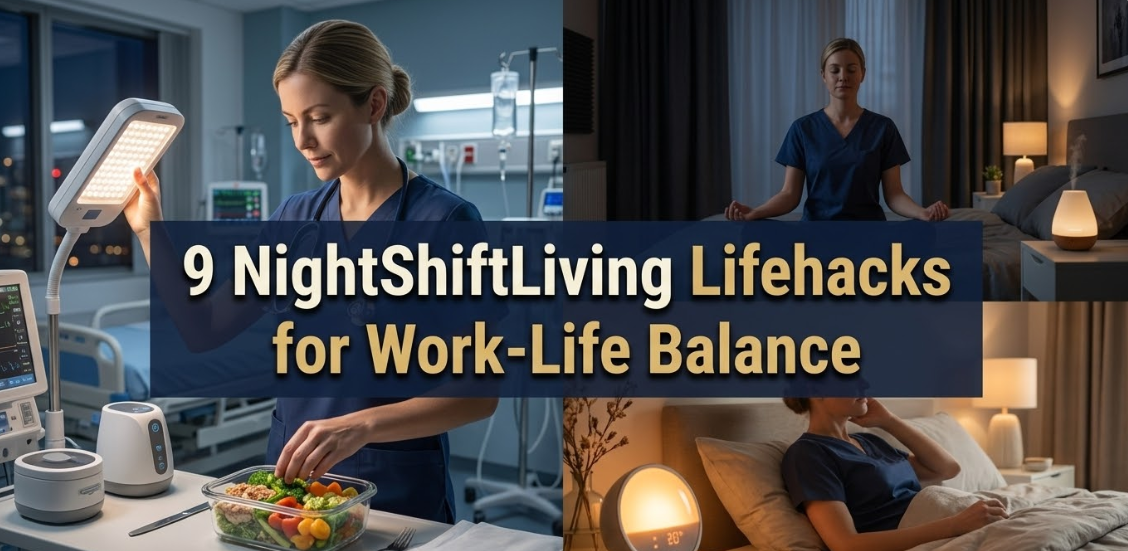
9 NightShiftLiving Lifehacks for Work-Life Balance
Working nights is tough. Your body fights you. Your social life shrinks. And sleep is a never-ending battle you can’t seem to win.
But the reality is: millions of people do work during the night — nurses and security guards, factory workers and truck drivers and so many more. And some of them have figured it out. They have built a night schedule that has actually been working for them.
These are not lucky people. They follow specific habits. They guard their time, their sleep, and their mental health. They have cultivated what you might call an authentic NightShiftLiving lifestyle.
In this article, you’ll find 9 of those proven tips — clearly explained, evidence-based, and designed for real life. Whether you’re new to nights or have been grinding the graveyard shift for years, this will come in handy.
Why the Night Shift Hits Harder Than Many Realize
Your body operates on a 24-hour internal clock known as the circadian rhythm. This is a clock that tells you when to sleep, eat, and feel alert. It is closely tethered to the sun.
Night shift workers defy this clock daily. You are asleep when your brain wants to be awake. You eat as your gut is shutting down. You do work while your own body is attempting to switch off.
This mismatch creates real trouble over time. We’re talking about lousy sleep quality, mood declines, weight gain, heart problems, and ruined relationships. Studies show that night workers face a higher risk of burnout and chronic illness than day workers.
Which is why taking a NightShiftLiving approach doesn’t only mean schedule management. It’s about creating the lifestyle you need to thrive on your shift from the ground up.
Tip 1 — Protect Your Sleep as if It Were Your Paycheck
Getting good sleep is the cornerstone of everything. Miss it, and every other element of your life is diminished.
Workers on the night shift often get less sleep than they need because daytime is full of noise, sunlight, and responsibilities. Children, phone calls, deliveries, and noise from the street all nibble away at rest time.
Make Your Room a Sleep Cave
Your bedroom should feel like night — even at noon. Here is how to do it:
- Blackout curtains are non-negotiable. Light is public enemy number one when it comes to daytime sleep.
- Use a white noise machine or fan to drown out street noise.
- Keep the room cool, at about 65–68°F (18–20°C). Your body lowers its temperature to help you sleep.
- Hang a “Do Not Disturb” sign on your door. Inform family members or roommates that your sleep window is sacred time.
Stick to the Same Sleep Time
Get up and go to sleep at the same times every day — even on your days off. Your body learns patterns. The more regular you are, the easier falling and staying asleep will be.
Resist the temptation to revert to a “normal” schedule on your off days. That switching back and forth is what keeps many night workers feeling permanently jet-lagged.
Tip 2 — Don’t Just Eat When You Are Hungry, Eat Smart
Night workers often eat at the worst possible times for their bodies. A bag of chips at 3 a.m. or a heavy fast-food meal before bedtime is a recipe for energy crashes and weight gain.

Your digestive system slows down in the evening. It’s not meant to handle large meals in the early morning hours. The NightShiftLiving approach to food, then, is strategic rather than dependent on willpower.
Design a Night Shift Meal Plan That Fits
Consider your shift your “workday.” Meal prep like you would for a regular job. Plan two or three solid meals, plus healthy snacks. Eat your heaviest meal before you start your shift — not during it.
During the shift, reach for:
- Snacks high in protein (hardboiled eggs, Greek yogurt, nuts)
- Fruits and vegetables
- Nut butter on whole grain crackers
Limit sugar-sweetened beverages and energy drinks. They rev up your energy and then let it crash hard. Replace them with water, herbal tea, or black coffee (in small quantities).
What You Eat Is as Important as When You Eat
Try time-restricted eating. For instance, keep your eating window between 6 p.m. and 6 a.m. — generally in line with your hours of wakefulness. Research shows this method helps improve metabolic health in shift workers.
Tip 3 — Control Your Light Exposure Like a Boss
Light is your most potent tool for resetting your internal clock. Night workers must learn when to use it — and when to avoid it.

Use Bright Light to Stay Alert at Work
Bright light helps keep you sharp during the first half of your shift. If you are lucky, your workplace is well lit. If not, get a portable light therapy lamp at your workstation.
Block Light on Your Way Home
This is where many night workers get it wrong. They return home at sunrise with the windows rolled down and bright light rushing in. That morning light signals your brain that it’s time to wake up — the very thing you don’t want.
Wear blue-light-blocking glasses on your way home. Keep your car visor down. Get into your darkened bedroom as quickly as possible. Every minute of morning light you avoid makes falling asleep easier.
Tip 4 — Create a Legitimate Social Life That Fits Your Schedule
Perhaps the most difficult aspect of the night shift is the felt sense of disconnection from friends and family. While everyone else is having a daytime life, you are sleeping through it.
But here is the shift in thinking: you don’t have to make their schedule work for you. You need to redesign your social life around yours.
Communicate Your Schedule Clearly
Friends and family might not know your exact sleep, awake, and free time windows. Use a shared calendar if it makes sense. Most people want to be respectful of your time — they just don’t know what your timetable is.
Find Your “Overlap Hours”
Identify the windows where your schedule aligns with others. Early evenings before a shift, or late afternoons after you wake up, can be good for coffee dates, quick calls, or errands.
Connect With Other Night Workers
You are not alone. Millions of people work nights. Online communities, workplace friendships, and local groups of night workers can provide understanding that daytime friends simply cannot.
Tip 5 — Get Into a Pre-Shift Wind-Up Ritual
Consider this your very own “morning routine” — even if it’s at 8 p.m.
A wind-up routine tells your brain that it’s time to switch into work mode. Show up to your shift without one, and you’ll still be half-asleep and foggy.
What Should Be Part of Your Wind-Up Routine
| Activity | Purpose | Time Needed |
|---|---|---|
| Light stretching or yoga | Wake up the body | 10–15 min |
| Healthy pre-shift meal | Fuel for the night | 20–30 min |
| Review your tasks / what to achieve | Set mental focus | 5–10 min |
| Quick shower (cool or neutral) | Full alertness | 10 min |
| Avoid screens for 20 minutes before leaving | Reduce mental clutter | 20 min |
With the same sequence every day, you’re training your body to get into work mode. Soon you’ll feel more energized and focused when you clock in.
Tip 6 — Get Your Body Moving (Even if You Don’t Want To)
Exercise is the last thing most night shift workers want to contemplate. But not doing it at all is one of the biggest mistakes you can make for your long-term health.
You don’t have to run marathons. You need to move consistently.
The Ideal Time to Work Out on a Night Schedule
For most night workers, it’s best to exercise before the shift. It increases alertness and energy without interfering with sleep. Exercising immediately after a shift may prevent you from falling asleep.
If a workout before your shift isn’t possible, light movement after sleeping — a walk or stretching — can help ease into the day ahead of your shift.
Keep It Simple and Sustainable
- Just 30 minutes of brisk walking, four to five days a week, can produce tangible health benefits.
- Home workouts — pushups, squats, jumping jacks — require no equipment and can be done in under 20 minutes.
- A bike commute (if safe and practical) turns your travel time into exercise time.
Consistency beats intensity every time. Small amounts of everyday movement go a long way over months and years.
Tip 7 — Preserve Your Mental Health Before It Breaks
Night shift work is a known risk factor for depression and anxiety. The combination of sleep disruption, social isolation, and schedule misalignment takes a genuine mental toll.
This is not weakness. It is biology. And it must be managed as intentionally as sleep or diet.
Daily Habits That Protect Mental Wellbeing
Sunlight, even a little. Get outside in the late afternoon before you go into work. Even 20 minutes of natural light can improve your mood and help reset your internal clock.
Stay connected. Loneliness is one of the greatest mental health risks night workers face. Set up regular check-ins with people you care about — a weekly call, a text when something reminds you of them, a shared meal when schedules align.
Journal or debrief. It takes less than five minutes to record three things that went well each day. Studies have shown again and again that this kind of gratitude journaling is effective at lowering stress and anxiety levels.
Know when to ask for help. If you’re experiencing constant sadness, anxiety, or hopelessness, contact a mental health professional. Many offer evening or online appointments that fit night shift schedules.
Tip 8 — How to Be a Nap Strategist
Napping gets a bad reputation. But for those who work overnight, a well-placed nap is one of the most potent tools available.
A 20-minute nap before a shift increases alertness, reaction time, and focus — with no grogginess. This kind of brief nap doesn’t pull you into deep sleep, so you wake refreshed rather than feeling worse.
Napping Rules That Actually Work
| Nap Type | Duration | Best Timing | Effect |
|---|---|---|---|
| Power nap | 10–20 min | 1–2 hrs before shift | Quick energy boost |
| Recovery nap | 60–90 min | After a long shift | Full sleep cycle, aids recovery |
| Caffeine nap | 20 min after coffee | Before shift | Coffee kicks in as you wake |
| Emergency nap | 5–10 min | Mid-shift break | Quick alertness reset |
Don’t take long naps in the afternoon before your sleep time — they rob you of sleep pressure and make it harder to fall asleep for your main rest period.
Tip 9 — Create a Life You Actually Want to Come Home To
No amount of sleep tips or diet plans will help you if you dread getting home. Work-life balance is not merely the ability to recover from your job — it is having a life worth recovering for.
Night shift workers invest so much effort trying to make it through the shift that they forget to create anything meaningful outside of it.
Make Your Off-Days Count
Don’t spend your downtime just sleeping. Plan at least one enjoyable thing per day off that you actually like doing — a hobby, a social outing, a creative project, family time.
Draw Distinct Lines Between Work Life and Home Life
You are done with work when you walk through your front door. That means:
- Not looking at work messages during your sleep window.
- Changing out of your work clothes as soon as you get home.
- Having a shutdown ritual — even something as simple as brewing tea and sitting in silence for ten minutes.
Think About Your Long-Term Goals
Working night shifts is sometimes a career stepping stone and, other times, a financial necessity. Having a clear sense of where you are going — a promotion, a skill you are working toward, a financial target — makes the sacrifice feel worth it. It gives a sense of purpose to the grind instead of making it feel endless.
Quick-Reference: The NightShiftLiving Checklist
| Tip | Key Action | Frequency |
|---|---|---|
| Sleep quality | Blackout curtains + consistent schedule | Every day |
| Nutrition | Prep meals, eat before shift | Every shift |
| Light management | Wear blue-light glasses coming home | Every shift |
| Social connection | Schedule overlap time with loved ones | Weekly |
| Wind-up routine | Pre-shift ritual sequence | Every shift |
| Exercise | 30-min movement session | 4–5x per week |
| Mental health | Sunlight + journaling + check-ins | Daily |
| Strategic napping | 20-min nap before shift | As needed |
| Life outside work | One enjoyable activity on days off | Every day off |
Frequently Asked Questions (FAQs)
Q: How much sleep should a chronic night shift worker get? No matter what time you sleep, adults require 7–9 hours. Daytime disruptions mean night workers often get fewer hours. Try to get a solid 7–8 straight hours every sleep period, even if that means being very regimented about your environment and sleep window.
Q: Can your social life stay alive if you work nights? Yes — but it takes planning. The trick is to find which windows of time overlap between your schedule and others’, be clear about what hours you’re available, and develop relationships with other night workers who understand your lifestyle. It doesn’t look like a typical social life, but it’s entirely possible to stay connected.
Q: What should night shift workers eat less of? Steer clear of heavy, greasy, or fried meals during your shift — they result in energy crashes and digestive distress. Avoid sugary snacks and energy drinks that cause a sharp rise and fall in your energy level. Also curb caffeine in the hours leading up to your bedtime.
Q: Does working the night shift permanently damage your health? Long-term night shift work has been linked to an increased risk of cardiovascular disease, metabolic syndrome, and some mental health conditions. But these risks are greatly reduced when workers proactively manage their sleep, nutrition, movement, and stress. The NightShiftLiving approach is designed specifically with long-term risk reduction in mind.
Q: What should I do if family members wake me up during my sleep window? Have a frank, calm conversation about your sleep needs. Use a “Do Not Disturb” sign, put your phone on Do Not Disturb mode, and — if not already in place — establish firm household rules during your sleeping hours. Treat your sleep window like a non-negotiable appointment.
Q: What is the best way to transition back to day shift, if necessary? Shift gradually. In the days before you want to make the change, move your sleep time 1–2 hours earlier each day. Increase morning light exposure. Allow at least a week to adapt before expecting peak performance.
Q: How do I stay motivated long-term with a night job? Frame your work as a means to achieving something bigger — better finances, career advancement, or providing for your family. Build a network with other night shift workers who share a similar lifestyle. And put effort into your days off to make sure your off-the-clock life feels fulfilling and complete.
Conclusion — Night Shift Should Not Equal a Half-Life
Working the night shift is one of the hardest things a person can do. Your body, your relationships, and your mental health all come under real pressure.
But you are not helpless. The NightShiftLiving approach is built on smart, consistent choices that safeguard your wellbeing — one habit at a time.
Start with one or two of these nine tips. Choose the ones that seem most pressing. Sleep quality and light management usually deliver the fastest results. Build from there.
These small changes add up over time. People who go all in on this lifestyle often say they feel better than they did even when they were just starting nights — because now, they are living with more intention.
The night shift is not the end of a good life. It is simply another chapter. And with the right habits, it can be one where you actually flourish.
Related Post
8 Smart NightShift Living Lifestyle Routines for Healthy Living
Night shift work can be hard on the body. Your body clock — known as…