
6 Powerful NightShiftLiving Lifestyle Upgrades for Daily Life
>> Lifestyle NightShiftLiving>> 6 Powerful NightShiftLiving Lifestyle Upgrades for Daily Life
6 Powerful NightShiftLiving Lifestyle Upgrades for Daily Life
There’s a strange feeling that comes with living a night shift life.
You wake up when others are halfway through their day. You eat meals at odd hours. Your “evening” might be someone else’s midnight. And sometimes, it feels like you’re living in a completely different world.
At first, it’s just an adjustment.
But over time, it can start affecting everything—your health, your mood, your relationships, even your sense of routine.
Here’s the truth:
Night shift life doesn’t just require schedule changes—it demands lifestyle upgrades.
Not extreme changes. Not unrealistic routines.
Just smart, practical adjustments that help you feel normal, balanced, and in control again.
Let’s walk through 6 powerful NightShiftLiving lifestyle upgrades that can completely transform your daily life.
Why Night Shift Living Feels So Disconnected
Before fixing your lifestyle, you need to understand why it feels off.
Common Night Shift Struggles
- Social isolation
- Poor sleep routines
- Irregular eating habits
- Low energy during personal time
- Lack of structure in daily life
Lifestyle Comparison Chart
| Factor | Day Lifestyle | Night Shift Lifestyle |
|---|---|---|
| Wake Time | Morning | Afternoon |
| Social Time | Evening | Limited |
| Meal Timing | Structured | Irregular |
| Energy Levels | Predictable | Fluctuating |
| Routine Stability | High | Often inconsistent |
This mismatch creates a feeling of being out of sync with the world.
But with the right upgrades, you can build your own rhythm.
1. Build a “Personal Time Block” System
One of the biggest mistakes night workers make is giving all their time to work and sleep—and none to themselves.
What Is a Personal Time Block?
It’s a dedicated daily window just for you.
Not for work. Not for errands.
For living.
Example Daily Schedule
| Time | Activity |
|---|---|
| 2:00 PM | Wake up |
| 2:30 PM | Personal time block |
| 4:00 PM | Prepare for work |
| Night | Shift |
Ideas for Your Time Block
- Exercise
- Reading
- Family time
- Hobbies
- Relaxation
Why This Matters
Without this, life becomes:
Work → Sleep → Repeat
And that’s where burnout begins.
2. Create a Stable “Anchor Routine”
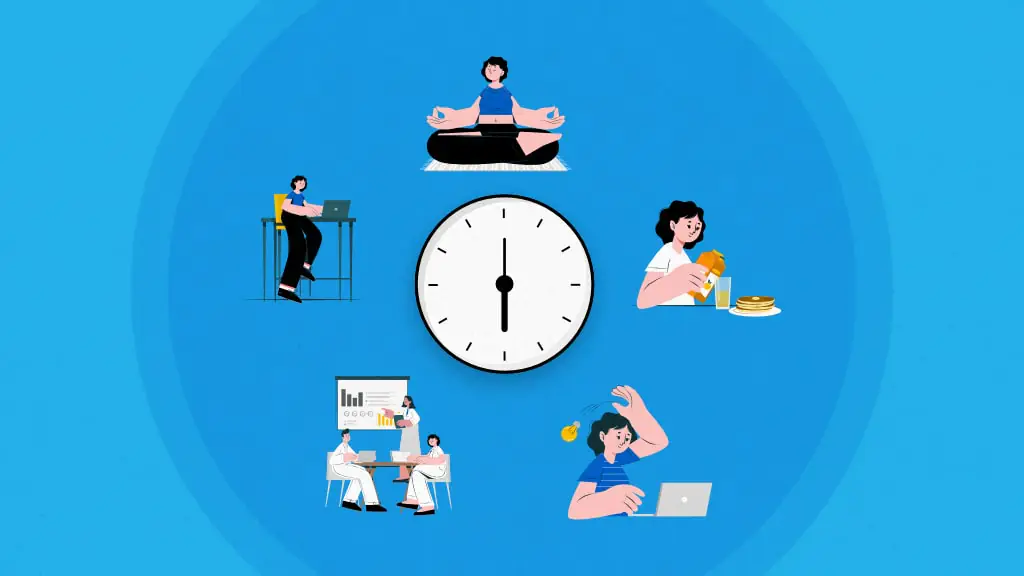
Night shift workers often lack consistency.
That’s where an anchor routine comes in.
What Is an Anchor Routine?
A few fixed habits you do daily—no matter what.
Example Anchor Routine
| Habit | Time |
|---|---|
| Wake up | 2:00 PM |
| First meal | 2:30 PM |
| Wind-down routine | 7:30 AM |
Benefits
- Stabilizes your internal clock
- Reduces stress
- Improves sleep quality
You don’t need a perfect schedule—just a repeatable one.
3. Upgrade Your Social Life (Yes, It’s Possible)
Night shift life can feel isolating.

But connection doesn’t disappear—you just have to plan it differently.
Smart Social Strategies
- Schedule meetups on your days off
- Stay connected via calls/messages
- Combine social time with meals or activities
Weekly Social Planning Table
| Day | Social Activity |
|---|---|
| Monday | Call a friend |
| Wednesday | Family dinner |
| Weekend | Meetup or outing |
Important Reminder
Even small social interactions matter.
A 20-minute conversation can boost your mood significantly.
4. Take Control of Your Energy (Not Just Sleep)
Most advice focuses on sleep—but energy management is just as important.
Daily Energy Flow
| Phase | Energy Level | What to Do |
|---|---|---|
| After waking | Medium | Light activity |
| Pre-shift | High | Important tasks |
| Mid-shift | Medium | Routine work |
| Late shift | Low | Easy tasks |
Energy Boosting Habits
- Stay hydrated
- Get sunlight after waking
- Avoid heavy meals
- Move your body
Quick Energy Fix Chart
| Problem | Solution |
|---|---|
| Low energy | Drink water + move |
| Brain fog | Light snack |
| Sleepiness | Short walk |
5. Design a Realistic Daily Routine
Forget perfect routines you see online.
You need something that actually fits your life.
Simple Night Shift Routine Example
| Time | Activity |
|---|---|
| 2:00 PM | Wake up |
| 2:30 PM | Meal + relax |
| 3:30 PM | Exercise or errands |
| 5:00 PM | Personal time |
| Night | Work shift |
| Morning | Wind-down + sleep |
Rule to Follow
If it’s too complicated, you won’t stick to it.
Keep it simple.
6. Protect Your Mental Space
Night shift life can quietly affect your mental well-being.
Signs You Need a Reset
- Feeling constantly drained
- Losing motivation
- Increased irritability
- Lack of enjoyment in daily life
Mental Reset Habits
- Limit screen time before sleep
- Practice quiet time (no distractions)
- Write down thoughts
- Take short breaks from work stress
Mental Health Support Table
| Habit | Benefit |
|---|---|
| Journaling | Clears thoughts |
| Quiet time | Reduces stress |
| Nature exposure | Improves mood |
| Deep breathing | Calms the mind |
Weekly Lifestyle Tracker
| Day | Sleep | Personal Time | Social Time | Energy Level | Mood |
|---|---|---|---|---|---|
| Monday | |||||
| Tuesday | |||||
| Wednesday | |||||
| Thursday | |||||
| Friday | |||||
| Saturday | |||||
| Sunday |
Track trends—not perfection.
Common Lifestyle Mistakes Night Workers Make
- Ignoring personal time
- Having no fixed routine
- Isolating themselves socially
- Overworking without breaks
- Neglecting mental health
Avoiding these alone can improve your life significantly.
Final Thoughts
Night shift living isn’t about surviving.
It’s about building a lifestyle that works for you.
You don’t need to copy a “normal” schedule.
You need to create your own version of balance.
Start with:
- A personal time block
- A simple anchor routine
- Better social planning
- Smarter energy management
- A realistic daily structure
- Mental health care
Small changes. Done consistently.
That’s how night shift life becomes not just manageable—but actually enjoyable.
FAQs
1. How can I balance life while working night shifts?
Focus on routines, personal time, and planned social interactions.
2. Is it possible to have a normal lifestyle on night shifts?
Yes, but it requires structured habits and consistency.
3. How do I avoid feeling isolated?
Stay connected with friends and family through scheduled time and communication.
4. What is the best daily routine for night workers?
A simple, repeatable routine that includes sleep, work, personal time, and relaxation.
5. How do I stay mentally healthy on night shifts?
Practice breaks, limit stress, stay connected, and create quiet time daily.
6. What is the most important lifestyle upgrade?
Consistency—because it stabilizes everything else.
Related Post
8 Smart NightShift Living Lifestyle Routines for Healthy Living
Night shift work can be hard on the body. Your body clock — known as…