5 Secret Health Hacks From NightShiftLiving Doctors
>> Health NightShiftLiving>> 5 Secret Health Hacks From NightShiftLiving Doctors
5 Secret Health Hacks From NightShiftLiving Doctors
Night shift workers just need to sleep better, most people believe.
Doctors understand that the true story is broader than that.
Working through the night doesn’t only interrupt your sleep schedule. It subtly influences your heart, your hormones, your immune system, your digestion and even your mental health. Researchers found that if you work nights for a long period of time, your risk of diabetes, heart disease, obesity, depression and specific cancers increases compared with day workers.
That sounds scary. But what most people never hear: these risks are avoidable.
Increasingly, there is research specifically on what habits in their day can help shift workers to protect their health. Doctors who do this work — in occupational medicine and sleep medicine — have boiled it down to a set of fundamental strategies that’s much more than “try to sleep more.”
Here are the 5 secret NightShiftLiving health hacks doctors positively recommend — yet most night shift workers have never even heard of one.
The Health Risk No One Tells Night Workers About
Before diving into the tricks, it’s helpful to learn what exactly you’re up against.
Your body runs on one overriding assumption: daytime is for doing stuff, nighttime is for fixing stuff. Virtually every system in your body — your immune response, your hormone cycles, your cell repair processes, even the bacteria in your gut — operates on this assumption.
These systems do not just flip with you when you change your schedule. They lag. They fight back. And eventually, the gulf between your lifestyle and your biology leads to something that researchers call circadian misalignment — and it’s the root cause of nearly all the health risks associated with shift work.
The good news: with the right habits, you can lower circadian misalignment quite dramatically. This is precisely what these five NightShiftLiving health hacks are for.
Trick 1 — Own Your Cortisol Before It Owns You
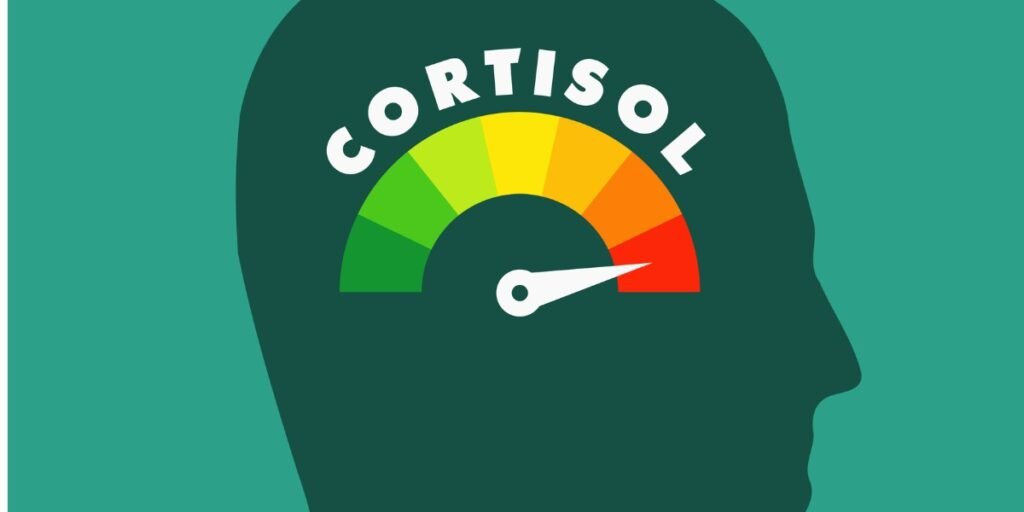
Cortisol is the primary stress and alertness hormone in your body. In a typical day worker, it naturally climbs in the morning, keeps them awake through the day and falls off by evening so they can settle down and sleep.
This pattern is scrambled in shift workers.
Your body continues to attempt to release cortisol at midnight — just as you are working through a difficult shift. This makes you feel foggy, sluggish and low-energy just when you need to be sharp.
The Doctor-Backed Fix: Cortisol Anchoring
Doctors specializing in occupational medicine have an approach they call cortisol anchoring — training your cortisol curve with specific triggers so it syncs to the timing of your shifts rather than to the default daytime pattern.
Here is how it works:
Prior to your shift, a cold-water rinse on the face. Splashing cold water on your face and neck for 30 seconds activates the sympathetic nervous system, creating a little burst of cortisol. This awakens you naturally, without caffeine. It’s the same mechanism by which cold therapy works, but delivered in a practical, accessible package.
Consistent pre-shift exercise. Even 15 to 20 minutes of moderate exercise — a brisk walk, bodyweight circuits, jumping jacks — before your shift will drive up cortisol. Doctors suggest sticking to this at the same time each workday in order to train the pattern. Over the course of 2 to 3 weeks, your body starts releasing cortisol automatically at that time.
Anchor your meals. Eating your first meal of the day at the same hour before each shift also cues your internal clock. Your digestive hormones are tightly bound to cortisol. Regular meal timing reinforces regular cortisol timing.
Why This Is Important for Long-Term Health
Chronically disordered cortisol is no mere fatigue. It increases baseline inflammation, dampens immune function and is associated with weight gain — especially in the belly. It also increases your long-term risk of anxiety and depression.
As a night shift worker, anchoring your cortisol with these three simple triggers is one of the most powerful things you can do for your overall health. It won’t cost you anything and takes under 20 minutes altogether.
Trick 2 — Time-Restricted Eating: The Clock Diet for Shift Workers
Many believe that eating healthfully starts with making choices about the correct foods. Doctors now say it also means consuming them at the appropriate times — particularly for shift workers.
It is known as time-restricted eating (TRE), and the science behind it has grown exponentially in the past decade.
What Time-Restricted Eating Actually Means
The basic concept is fairly straightforward: you eat all your meals during a specified time frame — 8 to 10 hours, in most cases — and fast for the rest of the day, 14 to 16 hours.
For day workers, this generally entails eating between 8 AM and 6 PM. The window needs adjusting for night shift workers — but the principle remains the same.
Doctors recommend that night shift workers eat within an 8 to 10 hour window that overlaps partially or fully with their active hours of the shift to find a rhythm in digestion. A nurse on a 7 PM to 7 AM shift, for instance, might eat between 6 PM and 2 AM — then fast until the next day at 6 PM.
Why Doctors Are So Excited About This
A study published in the journal Cell Metabolism found that time-restricted eating reduced body fat, improved cholesterol and blood pressure, and improved blood sugar — all without any changes to what participants ate. A landmark study from the Salk Institute demonstrated similar benefits in particular among shift workers.
Your pancreas, your liver and your gut bacteria all have circadian rhythms. Eating outside those consistent windows gives these organs conflicting cues. Eventually, this results in insulin resistance — a precursor to type 2 diabetes.
By limiting your eating to a specific window of time, you give these organs an organized schedule. They work better. Your blood sugar stabilizes. Your metabolism improves.
Practical Rules for Shift Workers
- Eat within a window before your shift, and keep to it every workday
- Don’t eat close to bedtime (2–3 hours before)
- If you have to eat outside your window, make it a small, easy-to-digest snack
- Drink freely — water, herbal tea or black coffee does not break the fast
It is not about depriving yourself. It’s about making your body’s digestive organs work in a rhythm they can count on.
Hack 3 — Micro-Movement: The Anti-Sitting Cure
Sitting for long periods is unhealthy for everybody. It is particularly damaging for night shift workers.

The combination of nighttime sedentary work and disrupted sleep forms a pattern that’s uniquely damaging for cardiovascular health, research shows. Your blood is more likely to clot at night when your body thinks you will be asleep. Being stationary for hours exacerbates it.
Doctors refer to the solution as “exercise snacking” — and it requires only two minutes at a time.
The Two-Minute Rule
Get up and move at least every 30 to 45 minutes of your shift for at least two minutes. That is it. The research is surprisingly strong on this.
A study done at Maastricht University found that replacing sitting with three-minute intervals of light walking every 30 minutes reduced blood sugar levels by 24 percent and triglyceride levels by 30 percent — both percentages significantly better than when participants walked continuously for 30 minutes at the end of the workday.
Two minutes of movement at 30 to 45 minute intervals adds up to 16 to 20 minutes of activity during an 8-hour shift — and all without requiring a separate workout.
What You Can Do During Your Two Minutes
It does not even have to be vigorous movement. Doctors suggest:
- Go to the furthest bathroom, kitchen or break room
- Do 20 reps of bodyweight squats or calf raises next to your workstation
- Climb a flight of stairs (up and down) once
- Do shoulder rolls, neck stretches and gentle twists in your chair
The goal is circulation. You are flushing blood sugar from your bloodstream, decreasing inflammation and stiffness in the body and stimulating your lymphatic system — all things that help defend cardiovascular health in the long run.
Set a Timer and Treat It Like Medication
For best results, doctors who specialize in NightShiftLiving health strategies recommend treating these movement breaks like a prescription. Use your phone to set a permanent alarm called “move.” Do not skip it. The cumulative effect of these breaks over a 12-hour shift is truly meaningful.
Hack 4 — Gut-First Nutrition: Fuel Your Microbiome for Night Duty
Your gut is not simply where food gets broken down. It is a significant command center for your immune system, your mood, your metabolism and even the quality of sleep you get.
Shift work is tough on your gut microbiome — the collection of trillions of bacteria that call your digestive system home. Studies indicate that irregular eating, inadequate sleep and chronic stress (all common features of life on the night shift) lead to reduced diversity and health of gut bacteria in just a couple of weeks.
Doctors who treat shift workers now emphasize gut health as an essential intervention — not just a nice-to-have.
The Fiber Priority
The vast majority of us don’t consume anywhere near enough fiber. The daily amount suggested is 25 to 35 grams. The average person receives around 15.
Fiber is particularly crucial for shift workers. It nourishes beneficial gut bacteria that manufacture short-chain fatty acids — molecules that lower inflammation, stabilize blood sugar and enhance sleep quality.
Night shift tips to meet your fiber goals:
- Sprinkle a spoonful of chia seeds or flaxseeds into yogurt or oats
- Snack on raw vegetables with hummus rather than chips
- Opt for whole grain bread, rice or pasta where you can
- Include a can of legumes (lentils, chickpeas or beans) in a weekly meal prep
Fermented Foods: The Probiotic Shortcut
Fermented foods have live bacteria that may directly enhance your gut microbiome. Doctors recommend at least one serving a day:
- Plain Greek yogurt (make sure it says “live active cultures”)
- Kefir (a drinkable yogurt with even greater bacterial diversity)
- Kimchi or sauerkraut (in small amounts as a side dish or condiment)
- Kombucha (watch for sugar content — some brands get quite high)
The Gut-Sleep Link You Didn’t Know Existed
Here is the part that most people find surprising: about 90% of your body’s serotonin is produced in the gut, not the brain. Serotonin is the precursor to melatonin — the hormone that regulates sleep.
A diverse gut microbiome produces more serotonin, which produces more melatonin, so you sleep better. Gut-first nutrition is about more than digestion. It’s key to how well you sleep and how good you feel during your waking hours.
Trick 5 — Proactive Stress Drainage: The Daily Mini Tune-Up
Night work brings a chronic load of stress that most workers are never able to fully discharge.
There is the physical strain of working when your body wants to sleep. The social stress of being out of sync with family and friends. The occupational stress inherent to high-stakes jobs that many night workers have — healthcare, emergency services, logistics, security.
Over time, this stress accumulates. Doctors refer to this as allostatic load — the cumulative wear and tear on your body from prolonged exposure to stress. A high allostatic load speeds up the aging process, suppresses the immune response, increases blood pressure and massively increases susceptibility to burnout, depression and anxiety.
The fix is not a vacation. It is daily drainage.
The 15-Minute Reset Protocol
Psychoneuroimmunology research (the study of the interaction between mind and body) indicates that only 15 minutes per day of deliberate stress-reduction activity can significantly reduce cortisol, decrease inflammatory markers and enhance immune function in two to four weeks.
Doctors who work in occupational health recommend picking one of the following and practicing it every single day — consistently, at the same time, like brushing your teeth:
Box breathing (4-4-4-4). Breathe in for 4 counts, hold for 4, breathe out for 4 and hold for another 4. Repeat for 10 to 15 cycles. Used by Navy SEALs, ER doctors and fighter pilots to quickly downregulate the nervous system. Takes 3 minutes. Works immediately.
Progressive muscle relaxation. Squeeze each muscle group starting with your toes for 5 seconds and then completely let go. Spend 10 to 15 minutes moving up through the body. This is commonly prescribed to shift workers struggling with sleep — it releases physical tension built up during stressful work shifts.
Journaling. Writing about three specific things that went well during your shift and one thing you are looking forward to activates the prefrontal cortex in a way that turns down the stress response. Harvard Medical School research indicates that symptoms of depression and anxiety can improve significantly within 8 weeks using this practice.
Guided body scan meditation. Readily available for free on apps like Insight Timer or YouTube. A guided 15-minute scan takes you on a journey around the body, letting go of physical and mental tension. Regular practice is shown to lower blood pressure and improve immune function.
Why Consistency Beats Intensity
You do not need to attend a 60-minute meditation retreat every week. You need 15 minutes each day. The nervous system responds much more to continuity than to sporadic severe interventions. Consider it like physical therapy — incremental, repeated effort reprograms the system over time.
This is the trick that most NightShiftLiving conversations underestimate. Sleep and nutrition tend to get the most attention. But the most critical long-term health protection a night shift worker can build might be chronic stress drainage.
How All 5 Tricks Work Together
These five health hacks build on one another. They amplify each other in a powerful cycle.
Correct cortisol (Trick 1) makes it more feasible to stick to an eating window (Trick 2). Time-restricted eating blunts blood sugar spikes that make movement more difficult (Trick 3). Better gut health (Trick 4) aids serotonin and mood, which promotes stress drainage (Trick 5). And lower stress load leads to better sleep quality, which resets cortisol — and repeat.
This is precisely what NightShiftLiving’s framework revolves around: a stack of science-backed habits that act like compound interest over time. Each individual trick helps. These five together produce a fundamentally different health outcome.
A Low-Tech Weekly Health Tracker for Night Shift Workers
| Daily Habit | Mon | Tue | Wed | Thu | Fri | Sat | Sun |
|---|---|---|---|---|---|---|---|
| Pre-shift cold splash + exercise | |||||||
| Meals within 8–10 hr window | |||||||
| Movement break every 45 min | |||||||
| 1 fiber-rich food + 1 fermented food | |||||||
| 15-min stress reset activity |
Print this out or copy it to your phone. Tick each box as you go. Research on habit formation shows that tracking completion — even just with a checkmark — increases follow-through by 40%.
You don’t have to be perfect. Hitting 4 out of 5 habits most days is already a dramatic improvement over where the majority of night shift workers are starting.
FAQs About NightShiftLiving Health Tricks
Q: I’ve worked the night shift for years. Are these tricks still useful? Not at all too late. At any age, the human body possesses a significant ability to adapt. Research indicates that even long-term shift workers can show measurable health benefits — improved blood sugar, lower blood pressure, reduced inflammation — in as little as 4 to 12 weeks of consistent habits. Delayed progress is better than no progress at all.
Q: Do these health hacks require any supplements or special products? No. All five tricks are completely behavior-based. Some people add vitamin D supplementation (because night workers miss a lot of sun), magnesium glycinate for sleep and muscle relaxation, or a basic probiotic — but you don’t need these to make the tricks work. Always consult with your doctor before beginning supplements.
Q: How can I eat healthy at the workplace if there are only vending machines? Meal prep is the answer. Spending 60 to 90 minutes one or two times a week preparing meals and snacks for work helps avoid reliance on whatever’s around. A cooler bag with a simple container of oats, nuts, fruit, Greek yogurt and pre-cut vegetables takes care of most of the nutritional bases mentioned in Tricks 2 and 4.
Q: Can I do the 15-minute stress reset at work, or does it need to be at home? You can definitely do this at work. You can do box breathing at your desk with your eyes open. Even a brief body scan can be done during a work break in a quiet corner. The trick is to identify a consistent time — either in the middle or a little toward the end of your shift — and stick to it every day.
Q: I have rotating shifts, not permanent nights. Do these tricks still apply? Yes, though rotating schedules complicate things. The two tricks that provide the quickest reset benefit are cortisol anchoring (Trick 1) and time-restricted eating (Trick 2). When your schedule shifts, focus on these two first. You can also advocate for forward-rotating schedules (day → evening → night) with your employer — research indicates that this is far less detrimental to health than backward rotation or quick-switching patterns.
Q: I have never heard any of this from my doctor. Why not? Most family medicine doctors have not specifically trained in occupational health or shift work medicine. They’re tremendously knowledgeable about disease treatment, but preventive strategies for shift workers aren’t a widely covered specialty. If you’re working nights long-term, consider asking for a referral to an occupational health physician — or bring this article to your next appointment as a conversation starter.
The Takeaway: Your Health Is Not a Casualty of Your Schedule
If you work nights, it does not mean that you need to sacrifice your health.
The five NightShiftLiving health hacks in this article — cortisol anchoring, time-restricted eating, micro-movement breaks, gut-first nutrition and daily stress drainage — are all based on real research and sanctioned by doctors who understand what shift work actually does to the body.
None of them require joining a gym, expensive supplements or a perfectly flexible schedule. They need consistency, intention and a willingness to treat your health as the priority that it is.
Your body is fighting hard against a rough circumstance. Give it the right tools and it’ll surprise you with what it can overcome.
Try one trick this week. Build from there. Your future self — healthier, more alert and less burned out — will thank you for it.
Related Post
Night Workers: 7 Health Habits of NightShiftLiving
Working nights changes everything. Not only your sleep schedule — the whole of your body…