NightShiftLiving Sleep Solution: 6 Easy Fixes for Tired Night Workers
>> Sleep NightShiftLiving>> NightShiftLiving Sleep Solution: 6 Easy Fixes for Tired Night Workers
NightShiftLiving Sleep Solution: 6 Easy Fixes for Tired Night Workers
Why Night Workers Can’t Sleep — And It’s Not Their Fault
You stagger home after a long night shift. The sun is already up. Birds are chirping. Kids are heading to school. Your neighbors are out mowing their lawns.
And you’re supposed to sleep?
That’s the harsh truth about night work. Your body operates on a biological clock known as the circadian rhythm. This internal timer is programmed to keep you awake during the day and sleepy after it gets dark. When you work nights, every single day, you’re battling millions of years of evolution.
No wonder so many night workers feel perpetually tired.
The good news? You don’t have to suffer through it. NightShiftLiving sleep strategies — developed specifically for those whose work hours match the rest of the world’s sleeping ones — can have a monumental impact. These aren’t vague suggestions like “try to relax.” These are real, tangible solutions that address the underlying causes of poor daytime sleep.
Let’s dive into all six of them.
Night Shift: What It Does to Your Body
It is useful to quickly understand why sleep is so difficult, before covering the fixes.
Sunlight striking your eyes sends a message to your brain, telling your body it is time to stay awake. It inhibits melatonin — the sleep hormone. So when you come home at the end of a night shift in the morning, your brain is being inundated with wake-up signals.
Yet daytime is noisy. It includes sounds of traffic, barking dogs, lawn mowers, and doorbells. Your sleep environment is sabotaging you from every direction.
Night workers also often eat at irregular hours, consume more caffeine than is probably advisable, and lose track of any regular sleep schedule. Eventually, this results in what’s known as Shift Work Sleep Disorder (SWSD) — an actual medical condition impacting millions of people who work irregular hours.
The six NightShiftLiving sleep fixes below address all of these issues, one at a time.
Fix 1: Block Out Every Beam of Light
Light is the number one enemy of daytime sleep.
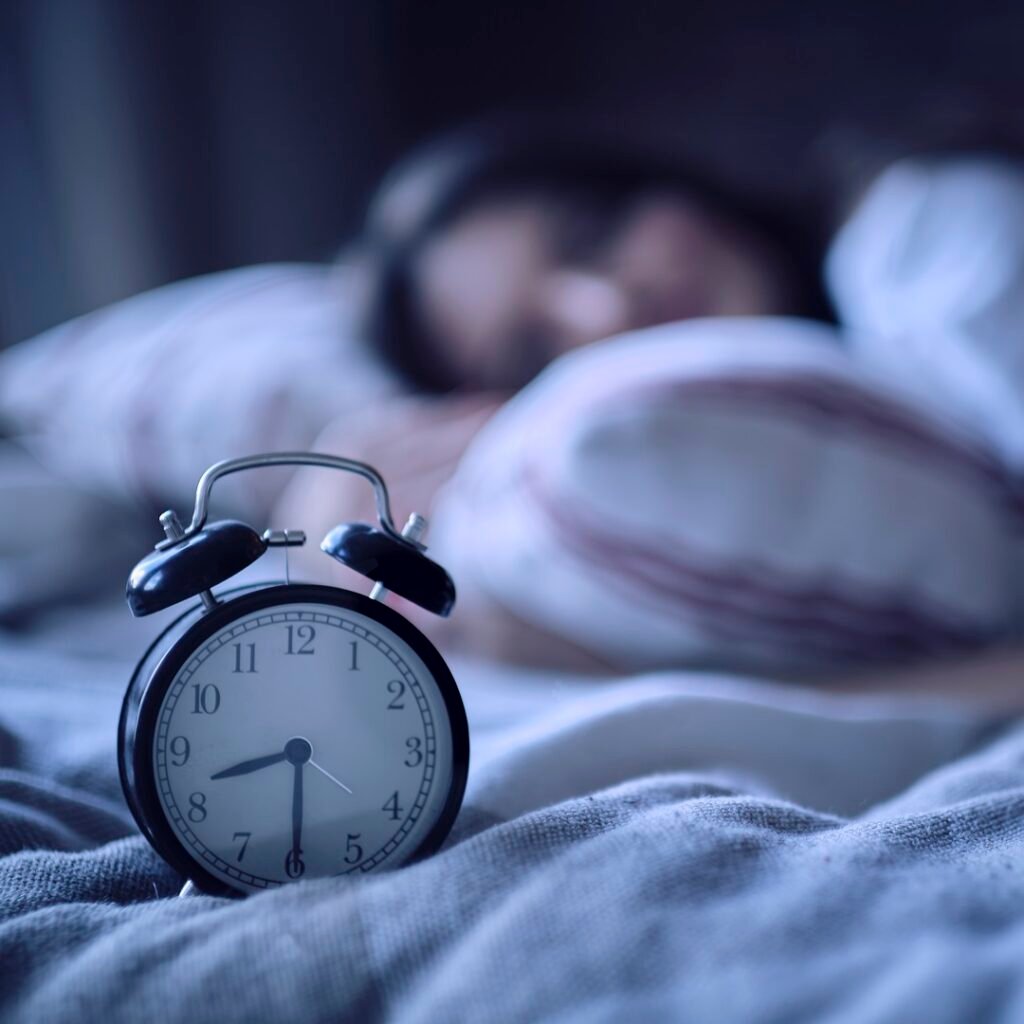
Your brain does not sympathize with the fact that you’ve been awake for 10 hours and want nothing more than to curl up in bed. Light enters your eyes — even through closed eyelids — and instantly starts suppressing melatonin and pushing you toward wakefulness.
And that’s why hanging thin curtains over your windows won’t cut it.
What Actually Works
If you’re working night shifts, blackout curtains are a must-have. These curtains block 99% or more of incoming daylight. They don’t just dim the room — they make it pitch black, no matter what time of day it is.
Combine blackout curtains with a good sleep mask for total darkness. This is particularly handy if you’re sleeping in a shared space or if light comes through gaps around door frames.
A few extra tips:
- Use electrical tape or small stickers to cover LED indicator lights on electronics. Those blinking little lights from chargers, TVs, and alarm clocks are more disruptive than most people think.
- If light comes in from the hallway, put a rolled-up towel against the bottom of your bedroom door.
- If you need to use the bathroom during sleep hours, use a red light. Red light has a lesser effect on melatonin levels than white or blue light.
The goal is a sleep cave — absolutely dark, no exceptions.
Fix 2: Protect Your Sleep Schedule Like It’s Your Job
The most common mistake of night workers is not maintaining a regular sleep schedule.
You sleep Monday 8 a.m. to 3 p.m., Tuesday 10 a.m. to 5 p.m. On your days off, you revert to sleeping at night like everyone else. That constant toggling is known as social jet lag, and it’s genuinely bad for your body.
Your internal clock requires consistency to work properly. When your sleep schedule is all over the place, your brain never knows when to release melatonin, when to lower your body temperature, or when to put you into deep restorative sleep. No matter how many hours you spend in bed, you still get only shallow, broken, low-quality rest.
Building Your Personal Sleep Window
Choose a time to go to sleep and guard it fiercely. For most night shift workers, 8 a.m. to 4 p.m. or 9 a.m. to 5 p.m. works well — but adjust according to the hours of your shifts.
The key rules:
- Keep the same sleep time on work days and days off. Yes, even weekends. A consistent schedule is more important than a perfect one.
- Tell your household. Leave a note on your bedroom door. Drop it in a family group chat. Let people around you know that this time is off-limits.
- Put your phone on Do Not Disturb and reserve a specific ringtone or contact bypass for real emergencies only.
- Use an alarm that vibrates or chirps gently — jarring alarms ruin your mood and make it even harder to fall back asleep if you wake up too early.
Consistency is the number one NightShiftLiving sleep fix of them all.
V
visualize
V
visualize show_widget
https://05d48d381f6ea3b43cbf4d68f32d9767.claudemcpcontent.com/mcp_apps?connect-src=https%3A%2F%2Fesm.sh+https%3A%2F%2Fcdnjs.cloudflare.com&resource-src=https%3A%2F%2Fesm.sh+https%3A%2F%2Fcdnjs.cloudflare.com+https%3A%2F%2Fcdn.jsdelivr.net+https%3A%2F%2Funpkg.com+https%3A%2F%2Fassets.claude.ai&dev=true
Fix 3: Create a Shutdown Routine That Really Calms Your Mind
Here’s something many people don’t understand: your brain doesn’t just turn off when you lie down.
After a hectic shift — in which you’ve been making decisions, staying alert, and grappling with coworkers, machines, and tasks — your nervous system is still running in “high alert” mode. Your body may be physically drained, but your mind can still be racing.
A wind-down routine is you sending the signal: “All right, shift’s done. We’re shutting down now.”
What to Do in the 30–60 Minutes Before Sleep
Consider this window your transition zone. You’re not asleep yet, but you’re no longer “on” either.
Things that help:
- Take a warm shower or bath. The drop in body temperature afterward also induces sleepiness. This is one of the best sleep tricks available.
- Do some light stretching or gentle yoga. Nothing intense — just enough to release the physical tension that builds up during a shift.
- Read a physical book (not a screen). Reading fiction is particularly effective because it draws your attention away from the events of the day.
- Jot down any lingering anxieties or to-dos in a notebook. Getting them out of your head and onto paper can stop your brain from cycling through them.
Things that hurt:
- Scrolling through social media or the news. They are engineered to keep you hooked and emotionally activated — the exact opposite of what you need.
- Watching intense TV shows or action movies. Your brain responds to them as though they were real experiences.
- Having a big meal just before bed (more on that in Fix 5).
- Having a long conversation with family members about stressful topics.
This NightShiftLiving sleep routine doesn’t have to be complicated. Even 20 minutes of deliberate calm before sleep makes a world of difference over time.
Fix 4: Kill the Noise — or Drown It Out
Daytime is loud. That’s just a fact.
The world is fully operational while you’re trying to sleep. Garbage trucks, traffic, construction, children playing, dogs barking, neighbors talking — all of it can disrupt your sleep cycles or keep you from falling asleep in the first place.
Even low-level background noise that doesn’t fully wake you can still pull you out of deep sleep and into lighter, less restorative sleep stages.
Your Noise Defense Toolkit
Earplugs are your first line of defense. Foam earplugs are inexpensive, effective, and block a broad range of sounds. Try a few different kinds to find the ones comfortable enough to wear for 7–8 hours.
White noise machines help tremendously with sleep. They generate a smooth, consistent sound that your brain quickly tunes out — but which also masks the sudden, sharp sounds (like a slamming door) that jerk you awake.
You don’t need expensive equipment. A box fan, a free white noise app, or even a YouTube white noise video can work just as well.
Other options worth trying:
- Brown noise — a deeper, lower-frequency version of white noise that many people find even more soothing
- Binaural beats — certain audio frequencies that some studies suggest may promote relaxation and sleep
- Soundproofing your room — even basic additions like heavy rugs, thick curtains (the same blackout curtains from Fix 1!), and door draft stoppers can significantly reduce outside noise
If you share your space with other people, communication is key. Keep your household in the loop about your sleep schedule (again, Fix 2). Ask that they minimize noise during your sleeping hours. Most people will respect this once you make clear that it’s not a preference — it’s a health need.
Fix 5: Eat and Drink Smart (Your Sleep Depends on It)
What you consume in the hours before bed directly affects how well you sleep.
Night shift workers often develop poor eating habits — heavy meals at 3 a.m., vending machine snacks, energy drinks to get through the second half of a shift, and coffee until they walk out the door. All of this makes daytime sleep much harder.
The Pre-Sleep Eating Rules
Cut off caffeine at least 6 hours before bed.
Caffeine has a half-life of around 5–6 hours. That means if you drink a coffee at 6 a.m. and try to sleep by 9 a.m., half the caffeine is still active in your system. Many night workers are unknowingly caffeinating themselves right into insomnia.
According to the Sleep Foundation, caffeine can significantly delay the onset of sleep and reduce overall sleep quality — especially when consumed close to bedtime.
Avoid large, heavy meals 2–3 hours before bed.
Your digestive system slows down during sleep. If it’s still working hard on a large meal, it can cause discomfort, heartburn, and disrupted sleep. If you’re hungry, have something light — a small bowl of oatmeal, a banana, or a handful of almonds.
Stay hydrated, but not too close to bedtime.
Waking up to use the bathroom disrupts your sleep cycles. Get your fluid intake in during your shift and the first hour or two after getting home, then taper off before sleep.
Foods that actually help sleep:
| Food | Why It Helps |
|---|---|
| Tart cherry juice | Natural source of melatonin |
| Oatmeal | Complex carbs help with melatonin release |
| Bananas | High in magnesium and potassium, which relax muscles |
| Almonds | Contain magnesium, which promotes deep sleep |
| Chamomile tea | Contains apigenin, a compound linked to drowsiness |
| Kiwi | Studies show it may improve sleep duration and quality |
Small tweaks to your diet go a long way as part of a broader NightShiftLiving sleep approach.
Fix 6: Use Light to Your Advantage — Your Most Powerful Reset Tool
For night workers, light is a double-edged sword.
It’s the enemy of daytime sleep (Fix 1). But it’s also the most effective tool you have for resetting your internal clock and staying alert during your shift.
When used correctly, light can guide your body as to when it is time to be awake and when it’s time to sleep.
The Light Timing Strategy
During your shift — especially at the start — get bright light exposure.
Bright, blue-spectrum light signals your brain to remain alert and suppresses melatonin. This is exactly what you want at the beginning of a shift. Many night workers swear by light therapy lamps or light therapy glasses that deliver high-intensity light directly to the eyes.
At the end of your shift — start cutting light exposure.
About 1–2 hours before you go home, begin dimming your environment. Put on blue-light-blocking glasses if possible. These filter out the wavelengths that signal wakefulness and allow melatonin to start rising before you even get home.
On your commute home — shield your eyes from the morning sun.
This is crucial. Morning sunlight is extremely powerful. Even a 15-minute drive home with sunlight hitting your eyes can delay your ability to fall asleep by 1–2 hours. Wear wrap-around sunglasses — not just regular shades — on your way home from every shift.
On your days off — get some natural light in the late afternoon.
This helps keep your circadian rhythm from drifting too far off course and reduces that disconnected, “lost in time” feeling that many night workers experience on rest days.
V
visualize
V
visualize show_widget
https://05d48d381f6ea3b43cbf4d68f32d9767.claudemcpcontent.com/mcp_apps?connect-src=https%3A%2F%2Fesm.sh+https%3A%2F%2Fcdnjs.cloudflare.com&resource-src=https%3A%2F%2Fesm.sh+https%3A%2F%2Fcdnjs.cloudflare.com+https%3A%2F%2Fcdn.jsdelivr.net+https%3A%2F%2Funpkg.com+https%3A%2F%2Fassets.claude.ai&dev=true
Bonus Tips: Small Things That Add Up
The six fixes above are the big ones. But there are a handful of additional small adjustments that can push your sleep quality even further.
Keep your bedroom cool. Your body temperature naturally drops during sleep. A cool room (65–68°F or 18–20°C) helps trigger and maintain sleep. If your bedroom gets hot during the day, a small fan or air conditioning makes a real difference.
Try melatonin supplements — carefully. A small dose of melatonin (0.5 mg to 3 mg) taken 30–60 minutes before your intended sleep time can help shift your body’s clock. But more is not better — high doses can cause grogginess and degrade sleep quality over time. Always consult your doctor before starting any supplement, especially if you take other medications.
Exercise — but not right before sleep. Regular physical activity improves overall sleep quality. However, intense exercise within 2–3 hours of bedtime can delay sleep because it raises your core body temperature and stimulates the nervous system. For best results, exercise earlier in your waking period.
Don’t lie awake in bed for extended periods. If you’ve been in bed for more than 20 minutes without falling asleep, get up. Go to another room. Do something soothing and low-stimulation (read, stretch, listen to quiet audio). Then get back into bed when you feel tired again. Lying awake in bed trains your brain to associate the bed with wakefulness — the opposite of what you want.
How Long Will It Take to See Results?
This is the question nearly all night workers ask.
The straight answer: it depends on how long your sleep has been impaired and how consistently you apply these fixes.
Some people see improvements within 3–5 days of starting a consistent schedule and using blackout curtains. Others — especially those who have been working nights for years — may take 2–4 weeks to adjust fully.
The key is patience and consistency. You can’t try these fixes for two days, sleep poorly, give up, and conclude they don’t work. Your body needs time to reset a rhythm that may have been disrupted for months or years.
Track your sleep. Note what time you went to bed, how long it took to fall asleep, and how you felt when you woke up. After two weeks, patterns start to emerge — and you’ll be able to figure out which fixes are making the biggest difference for you specifically.
Quick Reference: The 6 NightShiftLiving Sleep Fixes
| Fix | The Problem It Solves | What to Do |
|---|---|---|
| 1. Block all light | Morning sunlight suppresses melatonin | Blackout curtains + sleep mask + cover LEDs |
| 2. Consistent schedule | Irregular sleep confuses your body clock | Same sleep/wake time every day, including days off |
| 3. Wind-down routine | Overstimulated brain can’t switch off | 30–60 min calm routine before sleep |
| 4. Silence the noise | Daytime sounds break sleep cycles | Earplugs + white noise machine |
| 5. Eat and drink smart | Caffeine and heavy food delay sleep | Cut caffeine 6 hrs before bed; eat light |
| 6. Use light strategically | Misused light wrecks your body clock | Bright light at shift start; sunglasses going home |
Frequently Asked Questions
Q: Is it really possible to get the same quality of sleep during the day as at night?
Yes, but it takes more intentionality. Daytime sleep can absolutely be deep and restorative if you manage your environment (light, noise, temperature) and keep to a consistent schedule. Many long-term night workers say they sleep just as well — or even better — once they’ve optimized their setup.
Q: How much sleep do night workers really need?
The same as everyone else: 7–9 hours for most adults. The myth that you can “get by” on 5–6 hours because you’re sleeping during the day is not supported by research. Consistently sleeping less than 7 hours — regardless of what time it is — increases the risk of chronic illness, cognitive dysfunction, and accidents.
Q: Should I try to flip back to a normal schedule on my days off?
This is one of the most controversial questions in the NightShiftLiving space. For most people, the answer is no — or at least not entirely. Completely flipping your schedule on days off and then reversing it again gives your body the equivalent of trans-Pacific jet lag twice a week. If you need some overlap with family or social life, a partial shift (sleeping a few hours later or earlier, not fully inverting) is far less disruptive than a complete flip.
Q: Can sleeping pills help me adjust?
Sleep medications can help in the short term during major schedule transitions, but they are not a long-term solution. Most prescription sleep aids can lead to dependency with regular use and do not produce the same quality of sleep as natural rest. Melatonin supplements at lower doses are generally safer for occasional use. Always check with a doctor before taking anything.
Q: What about split sleep — sleeping in two shorter periods?
Some night workers successfully use a “split sleep” strategy — for example, sleeping from 8 a.m. to 1 p.m., then again from 6 p.m. to 8 p.m. before their shift. This can work, but it needs to be managed carefully. The first block should always be the longer one (at least 5 hours) to ensure you get through full sleep cycles. The second block is more of a “power nap” window.
Q: I live with a family. How can I protect my sleep without creating friction?
Communication is everything. Have a frank, calm conversation about your sleep needs — frame it as a health issue, not a preference. Visual cues like a sign on your door and household policies about noise during your sleep hours also help. Encourage your family to contribute to building solutions rather than presenting them with rules. Most families are more accommodating than night workers expect, once they truly understand how serious sleep deprivation can be.
You Deserve Real Rest
Working nights is a sacrifice. You give up normal social hours, you wrestle against the natural inclinations of your body, and you often get little sympathy — because from the outside, it looks like you have the day “free.”
But you know the truth. Daytime sleep is hard-won. And when you don’t get enough of it, it bleeds through everything — your health, your safety at work, your mood, your relationships.
The six NightShiftLiving sleep fixes in this article are not miracle cures. They’re science-backed, practical tools that have helped thousands of night workers reclaim their sleep. Start with one or two — likely Fix 1 (light) and Fix 2 (schedule consistency) — and build from there.
Small, consistent changes compound fast. Two weeks from now, you could be waking up from your day-sleep feeling genuinely rested for the first time in a long time.
That’s not a dream. That’s simply what happens when you stop fighting your environment and start working with your body instead.
Related Post
8 Powerful NightShiftLiving Sleep Habits to Reset Your Body Clock
Living the night shift life changes everything about how your body runs. The rest of…