Night Workers: 7 Health Habits of NightShiftLiving
>> Health NightShiftLiving>> Night Workers: 7 Health Habits of NightShiftLiving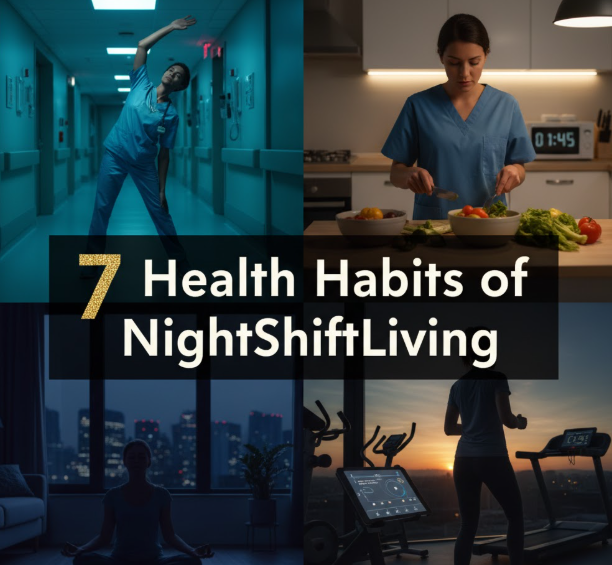
Night Workers: 7 Health Habits of NightShiftLiving
Working nights changes everything. Not only your sleep schedule — the whole of your body runs differently when you turn your life upside down.
Your digestion slows down at night. Your hormones surge and wane at the wrong times. The immune system runs on a clock that is not synced to your job. And over months, and years, those small mismatches compound into something much larger.
That’s the reality of NightShiftLiving — and millions of nurses, paramedics, factory workers, warehouse staff, security officers and truck drivers experience it every single day.
Here’s the thing: You can’t change your shift. But you can alter your habits. And the right habits are everything — not just for how you feel tomorrow morning, but in how healthy you are a decade from now.
This article shares the 7 health habits that doctors and researchers consistently recommend for NightShiftLiving. They are all grounded in science, described in plain English, and accessible enough to implement this week.
30%
of the world’s workforce works outside 9-to-5 hours
40%
higher cardiovascular disease risk in long-term shift workers
5–6 hrs
average daily sleep for night shift workers vs. 7–8 hrs for day workers
2×
higher workplace accident incidence due to night work fatigue
Why Night Workers Are at Greater Risk for Health Problems
Before we get into the habits, it pays to know why night work is so hard on the body.
Your body operates on a 24-hour internal clock known as the circadian rhythm. This clock dictates when you sleep, when your organs are most efficient, when your body repairs cells, and when it releases hormones.
Night shift workers live outside that clock’s rhythm. The body is conditioned for sleep when it’s dark. During the day, it anticipates food. It anticipates activity, light, and social interaction at certain predictable times. When you shift all that — night after night — the clock gets confused, and health effects ensue.
Night shift work is classified as a “probable carcinogen” by the World Health Organization — not because of the work itself, but due to the chronic sleep disruption and circadian misalignment it creates over time.
The good news: these risks can be managed. For several decades, researchers at Harvard, Stanford, and leading sleep institutes have studied shift workers. Their conclusion is clear — the right daily health habits can dramatically reduce the physical toll of working nights.
HABIT 1
Eat According to a Schedule, Not Simply When You’re Hungry
Food timing is more important than most people know. And for night workers, it can mean the difference between feeling okay and truly well.
Your digestive system has its own circadian rhythm. Its most active and efficient hours are daylight hours. During the night, digestion slows down, insulin sensitivity decreases, and your gut pushes food through more slowly.
Your system isn’t prepared for it when you eat a big, heavy meal at 2 a.m. The food sits longer. Blood sugar spikes and crashes harder. Your metabolism goes into “rest mode,” causing fat storage to increase.
The Night Worker’s Eating Framework
Doctors suggest a strategic approach to meal timing for NightShiftLiving that works in harmony with your body rather than against it.
| Meal | Timing | Best Foods | Worst Foods |
|---|---|---|---|
| Pre-shift | 1–2 hrs before work | Complex carbohydrates, lean protein | Heavy fried foods, large portions |
| Mid-shift | Halfway through shift | Nuts, fruit, yogurt, whole-grain crackers | Sugary snacks, energy drinks |
| Post-shift | Within 1 hour after end of shift | Small light meal (banana or toast) | Full meals, high-fat content foods |
| Main “dinner” | After waking (afternoon) | Balanced full meal | Caffeine-heavy drinks |
The general rule: treat your biggest meal like day workers treat dinner — eat it after waking and before your “day” begins. Reserve the overnight hours for smaller, lighter foods.
Research from the Harvard T.H. Chan School of Public Health has indicated that what you eat is not the only factor — when you eat also matters to metabolic health. Not just what you put on your plate, but when you eat is important too.
HABIT 2
Move Your Body — At the Right Time
Exercise is one of the most potent health tools available to night workers. It enhances sleep quality, lifts mood, balances blood sugar, and shields the heart. But when you exercise matters enormously when you’re on a night shift schedule.

Exercise increases your core body temperature, releases adrenaline, and spikes cortisol. These are great for performance during a workout. But they’re the polar opposite of what your body needs in the 2–3 hours prior to sleep.
Best Exercise Time Window for Night Workers
The sweet spot is exercising after you’ve woken up — usually late afternoon or early evening, a few hours before your shift starts. This timing:
- Will perk you up going into your shift
- Supports mood and focus at work
- Doesn’t interfere with post-shift sleep
- Associates movement with an already more “awake” time of your personal schedule
Best for night workers
Afternoon/evening workouts, 3–5 hrs before shift start
Acceptable
During breaks — light stretching, short walks
Avoid
Intense exercise within 2 hrs before sleep
You don’t have to go to the gym every day. Even 30 minutes of brisk walking, 3–4 times per week, produces enormous health benefits. For shift workers, consistency beats intensity.
Light stretching during your shift — particularly if you spend long hours sitting or standing — also releases muscle tension and promotes blood flow over the course of the night.
HABIT 3
Drink Intentionally — Not Just When You Are Thirsty

Dehydration is one of the most underrated issues of NightShiftLiving. Night workers are often mildly dehydrated during their shifts without knowing it.
Here’s why it happens. At night, thirst signals are naturally suppressed. You just don’t feel as thirsty at 3 a.m. as you do at 3 p.m. Factor in a busy shift, coffee dependency, and air-conditioned work environments that rob humidity from the air — and it’s easy to wrap up an entire shift quite under-hydrated.
Why Night Workers Are More Likely to Be Dehydrated
Even mild dehydration — as little as 1–2% of body weight lost in fluid — causes measurable declines in:
- Cognitive function and concentration
- Reaction time and motor control
- Mood and emotional resilience
- Physical energy and endurance
Not inconsequential for someone working in a hospital, behind the wheel, at machinery, or making high-stakes decisions at 4 a.m.
| Dehydration Level | Signs | Effect on Performance |
|---|---|---|
| Mild (1–2%) | Slight thirst, darker urine | Reduced focus, slower reaction time |
| Moderate (3–4%) | Headache, fatigue, dry mouth | Significant cognitive impairment and poor mood |
| Severe (5%+) | Dizziness, confusion, nausea | Dangerous — equivalent to mild alcohol impairment |
The remedy is simple: sip water mindfully and regularly during your shift. Don’t wait until you’re thirsty. A glass of water every 60–90 minutes is a good target. Place a visible water bottle on your desk as a tactile prompt.
Cut back on caffeine after the midpoint of your shift, and don’t use alcohol as a way to wind down — both are diuretics that speed up fluid loss.
HABIT 4
Protect Your Mental Health Like a Physical Vital Sign
Night workers report frequent anxiety, depression, and emotional burnout far more than day workers. This is not weakness — this is physiology.
Serotonin and dopamine — the brain chemicals that regulate mood — are intimately connected to light exposure and sleep cycles. When your circadian rhythm gets disrupted, these chemicals are not released on an ordinary timetable. Throw in social isolation (missing family dinners, weekend activities, and the ordinary rhythm of life), and night workers carry a significant emotional burden.
Real-Life Mental Health Tips for NightShiftLiving
Doctors and psychologists who work with shift workers suggest consciously building these habits:
Social connection
Make regular plans with friends and family. Make it non-negotiable.
Sunlight exposure
Just 15 mins of natural light outside boosts serotonin.
Journaling
Write for 5 minutes before sleep to process stress and clear your mind.
Boundaries at work
Not every overtime needs to be worked. Rest is a medical necessity, not a luxury.
Look for warning signs: a persistent low mood for more than two weeks, loss of interest in things you once enjoyed, increasing irritability, or feeling hopeless. These are signs to see a doctor or mental health professional — not to tough it out alone.
Night shift depression is real and documented in clinical literature. There is a name for it: Shift Work Sleep Disorder with mood component. If you’re consistently feeling this way, a conversation with your doctor is a valid and important next step.
HABIT 5
Create an Overnight Gut-Health Routine
The gut is known as the “second brain” — and with good reason. It accounts for roughly 95% of the body’s serotonin. It sends signals to the brain via the gut-brain axis. And it operates on its own circadian clock that regulates digestion, bacteria balance, and nutrient absorption.
Night shift work disrupts gut health in several ways. Irregular meal times confuse digestive enzymes. Stress hormones inflame the lining of the gut. Lack of sleep decreases the variety of helpful gut bacteria. In the long run, this can cause digestive distress, weakened immunity, and even mood disorders.
Five Gut-Friendly Habits for Night Workers
- Eat at regular times — even if those are unconventional times. Your gut likes a good routine. Inconsistent eating keeps it in a state of confusion.
- Eat fiber every day — fruits, vegetables, whole grains, and legumes nourish the good bacteria in your gut and help regulate digestion.
- Incorporate fermented foods — yogurt, kefir, kimchi, or sauerkraut carry live bacteria that support a healthy gut microbiome.
- Limit ultra-processed food — the 3 a.m. vending machine is tempting, but chips, candy, and processed snacks quickly disrupt gut-bacteria diversity.
- Drink plenty of water — hydration is necessary for gut motility (the movement of food through your digestive tract). Dehydration slows everything down.
Night workers who invest in gut health often experience unexpected improvements in energy levels, immunity, and even mood. The connection between the gut and the body is deeper than many people appreciate.
HABIT 6
Proactively Take Charge of Cardiovascular Health
Cardiovascular health is likely the most serious long-term risk for someone who works night shifts consistently. Several large-scale studies have shown that people who work nights for long periods are much more likely to suffer from high blood pressure, heart attacks, and strokes.
The reasons are layered. Persistent sleep disruption elevates inflammatory markers in the bloodstream. The stress hormone cortisol stays elevated longer. During sleep, blood pressure doesn’t drop the way it should. And unhealthy lifestyle habits — worse eating, less exercise, more caffeine and alcohol — often compound the biological risk.
Building a Heart-Smart NightShiftLiving Routine
| Heart Health Factor | Risk for Night Workers | Daily Protective Habit |
|---|---|---|
| Blood pressure | Less nighttime dip, higher baseline | Check BP monthly; limit sodium; stay hydrated |
| Inflammation | Elevated due to sleep disruption | Eat anti-inflammatory foods (berries, oily fish, greens) |
| Cholesterol | HDL often lower in shift workers | Regular aerobic exercise, healthy fats (avocado, nuts) |
| Blood sugar | Insulin resistance is higher overnight | Avoid large carb-heavy meals during shift; prioritize protein |
| Stress levels | Higher cortisol, longer recovery time | Wind-down routine, mindfulness, and regular rest days |
If you have been doing night shifts for more than three years, get a cardiovascular health checkup every year. Ask your doctor to check blood pressure, fasting blood sugar, cholesterol, and inflammatory markers. It is easier to treat an early diagnosis than to deal with a full-blown health crisis.
If you smoke, quitting is the single most significant step a night worker can take for heart health. The combination of smoking and shift work multiplies cardiovascular risk significantly.
HABIT 7
Make Recovery Days Non-Negotiable
This is the habit most night workers miss — and it may be the single most important one.
Recovery isn’t just about sleep. It’s about allowing your body, brain, and nervous system time to heal, equilibrate, and reset. Without intentional recovery time, the cumulative toll of night shift work builds steadily until something breaks — a health crisis, burnout, an error at work, or just feeling permanently worn out.
What Real Recovery Looks Like
Recovery days should not be used to run errands, cover extra shifts, or stay up until dawn because you have a day off. They’re days designed around restoration.
- Protect your sleep anchor time — only shift your sleep by 1–2 hours on days off to prevent resetting your entire circadian rhythm from scratch
- Get time in natural light outdoors — sunlight helps reset your body clock and boosts vitamin D, which tends to be low among night workers
- Do something truly enjoyable — a hobby, a stroll, a social meal, family time. Not productive. Not work-related. Just restorative.
- Avoid alcohol to decompress — it may seem like relaxation but it destroys sleep architecture and increases anxiety the next day
- Try short mindfulness or breathing exercises — as little as 10 minutes of slow, purposeful breathing reduces cortisol and activates the parasympathetic nervous system
Night shift workers are significantly more at risk for vitamin D deficiency because they sleep during peak sunlight hours. Ask your doctor about a simple blood test to measure your levels. If you need to supplement, it can dramatically improve mood, immune function, and bone health.
A Week in the Life: The 7 Habits at Work
Here’s how these seven NightShiftLiving health habits can align day-by-day across a typical work week:
| Day Type | Morning (post-shift) | Afternoon (pre-shift) | During Shift |
|---|---|---|---|
| Work night | Post-shift snack, wind-down, sleep by 8 a.m. | Wake, full meal, 30-min exercise, pre-shift snack | Hydrate hourly, mid-shift light food, short stretches |
| Recovery day | Sleep in if needed — max 1–2 hrs off anchor time | Outdoor exposure, socializing | No shift — focus on rest |
| Transition day | Gradual sleep adjustment — only adjust by max 1 hr at a time | Meal prep for the week; light activity | No shift — useful for body clock reset |
You don’t have to hit every habit every day. Progress over perfection. Every single habit you apply consistently is a genuine deposit in your long-term health account.
Healthcare FAQs for NightShiftLiving
Q: Can night shift workers ever be as healthy as day workers?
A: Yes — research indicates that night workers who actively manage their sleep, diet, exercise, and stress habits can have health outcomes quite similar to those of day workers. The key word is “actively.” Staying healthy on night shifts doesn’t happen by accident. It requires deliberate, consistent habits.
Q: What is the single most important health habit for night shift workers?
A: Sleep quality is the foundation. Everything else — mood, metabolism, immunity, heart health — hinges on how well you sleep. If you’ve only got the bandwidth to build one habit, make it protecting your sleep with consistent timing, a dark room, and an appropriately timed wind-down routine.
Q: Do night workers need to take vitamin supplements?
A: Vitamin D is by far the most common deficiency in night shift workers due to reduced sun exposure. It may also be worth talking to a doctor about magnesium and B vitamins, which are involved in sleep quality and energy metabolism. Don’t take a supplement without having blood work done first to confirm an actual deficiency.
Q: How can I keep up with my social life if I work night shifts?
A: Plan social time and treat it like a work commitment. Make sure friends and family understand your sleep schedule. Flexible activities — a meal before your shift, weekend overlap time, video calls — can help relationships endure. Connection is a health habit, not a luxury.
Q: Is it common to feel anxious or depressed when working night shifts?
A: It’s common — but you should not simply accept it. Circadian disruption directly affects the regulation of serotonin and dopamine. If you’re struggling with prolonged low mood, anxiety, or emotional exhaustion, talk to your doctor. These are treatable, recognized conditions — not simply part of the job.
Q: How many years of working night shifts puts you at higher risk for health issues?
A: The most significant cardiovascular and metabolic risks become apparent after 5 or more years of regular night shift work, according to most major studies. But poor habits can accelerate this timeline significantly. On the other hand, good health habits can delay or prevent many of these risks even after long-term night work.
Q: Is it possible to undo the health effects of night shift work after years on the job?
A: In many cases, yes. The body is remarkably adaptable. Moving to day shifts (if feasible), establishing better sleep habits, eating well, and exercising regularly can reverse much of the metabolic and cardiovascular strain from years of night work. Some changes — like accumulated sleep debt and minor metabolic shifts — resolve within weeks of a lifestyle change.
Related Post
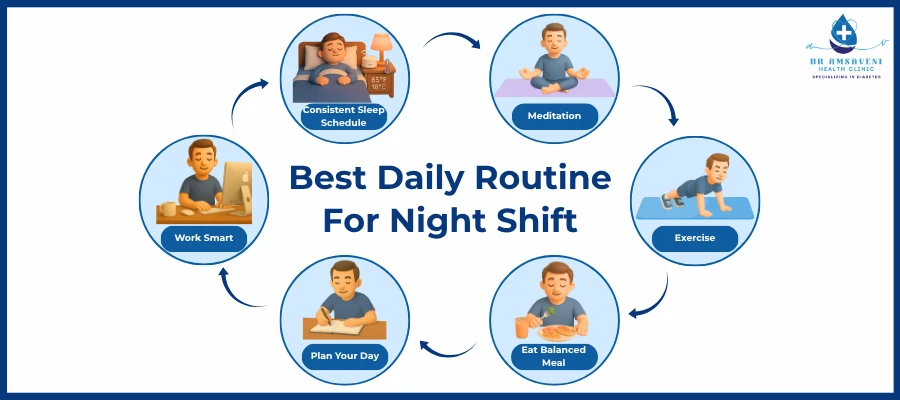
9 Simple NightShiftLiving Health Habits to Stay Fit at Night
Working the night shift changes everything about how your body feels day to day. I’ve…