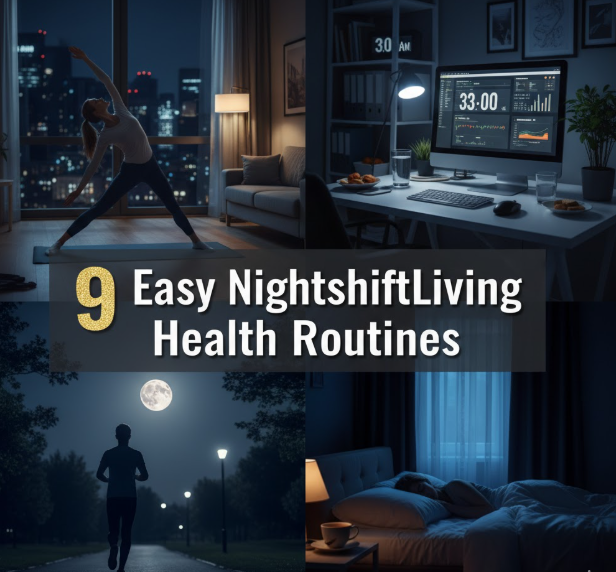
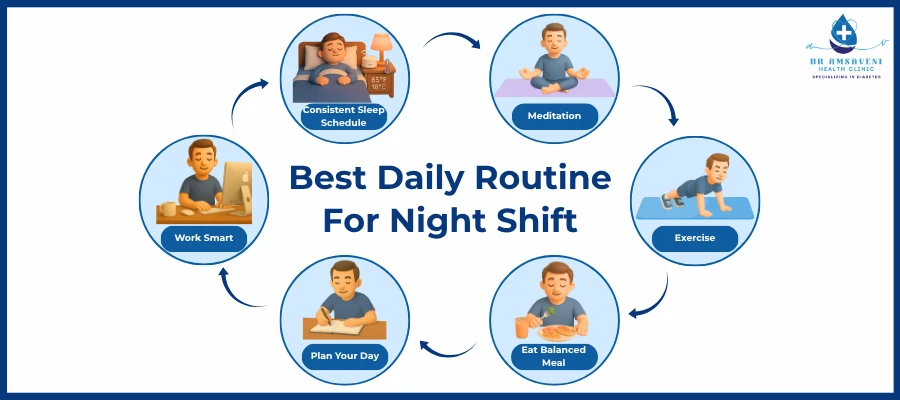
11 NightShiftLiving Health Boosters to Crush Shift Life
>> Health NightShiftLiving>> 11 NightShiftLiving Health Boosters to Crush Shift Life
11 NightShiftLiving Health Boosters to Crush Shift Life
Another punch for your body: working shifts. The evidence is in — people working nights, rotating schedules, or just irregular hours have a higher risk of heart disease, diabetes, weight gain, and depression, and even a depressed immune system.
But here’s the thing: those risks aren’t static. They’re largely the byproduct of habits, routines, and environments that aren’t optimized for life on shift.
And that’s a little what NightShiftLiving is all about — useful, real-world tools and strategies designed for the people who live and work outside of the 9-to-5. This guide breaks down 11 NightShiftLiving health boosters that truly can transform how you feel, function, and stay healthy across every shift.
Here’s Why Working Shifts Is Bad for Your Health
Your body operates on a biological clock known as the circadian rhythm. It governs everything — sleep, appetite, hormone release, digestion, body temperature, and immune function.
It’s that clock shift work constantly disrupts. You’re eating at 3 a.m., when your gut is expecting to go dark. You’re sleeping at noon when your brain is configured to be alert. You’re exposed to man-made light when your body is anticipating darkness.
That mismatch leads to inflammation, hormonal imbalance, and metabolic stress over time.
The good news? Each and every one of these NightShiftLiving health boosters addresses the direct root causes of one or more of these.
1. Set a Consistent Anchor Time for Sleep
And if there’s one health booster that trumps all the others? Your body needs regularity — particularly when it comes to sleep.

Anchor time is a fixed wake-up time you promise yourself to get up at every single day, no matter when you went to sleep. If your shift schedule changes from week to week, having a consistent anchor point can help your circadian rhythm stabilize.
Choose a time that is suitable for every one of your shifts. Set it as your alarm. Protect it even on days off. Within two to three weeks, many shift workers say they fall asleep more quickly, awaken more gradually, and feel less groggy.
Why This Is More Important Than Total Number of Sleep Hours
Countless studies have shown that sleep consistency is just as important as sleep duration. Getting enough sleep — defined as at least 8 hours per night — but not in a regular window is associated with poor metabolic health, mood swings, and cognitive decline. For shift workers, anchoring that is the base upon which everything else rests.
2. Eat According to Your Body Clock, Not the Break Room Clock
Most shift workers eat when the break room opens — not when their body is prepared to digest.
This is one of shift life’s biggest hidden health risks. Your gut has its own circadian schedule. Gut motility slows at 2 a.m., when insulin sensitivity declines and calorie processing becomes less efficient. Having a full meal within that window makes fat storage go haywire, blood sugar goes off, and the liver is stressed out.
Real-life time-eating rules for shift workers:
- Eat your largest meal in the first half of your waking hours, not at the end of a shift.
- During the overnight hours (midnight to 5 a.m.), do not eat high-calorie, high-fat meals.
- Try to limit when you eat to a block of 8–10 hours to promote metabolic health.
- If you have to eat during a late-night break, make it light — fruit, nuts, yogurt, a small wrap.
Time-Restricted Eating for Shift Workers
Research from the Salk Institute’s work on time-restricted eating has found that when people limited food intake to a consistent daily window — no matter whether it was early or late in the day — their metabolic markers improved significantly, even among people with disrupted sleep schedules. If you’re a shift worker, this is revolutionary.
3. Get Moving — But Pick Your Moments
In fact, exercise is one of the most potent inner power boosters. It lowers inflammation, increases insulin sensitivity, boots the heart, and aids mental health — all the stuff that puts shift workers at higher risk.
But timing matters.
Pushing hard in exercise within 3 hours of sleep increases your core body temperature as well as stimulating hormones such as adrenaline and cortisol. This can push the time you fall asleep back by 60 to 90 minutes.
Best exercise windows by shift type:
| Time of shift | Best exercise timing | Activity to avoid |
|---|---|---|
| Night shift (ending 6–8 a.m.) | Post-work, pre-sleep wind-down | Exercising in the two hours before sleep |
| Early morning shift (beginning 4–6 a.m.) | Afternoon after main sleep block | Pre-dawn heavy sessions |
| Rotating shifts | Mid-waking period, consistently | Skipping entirely on hard weeks |
Doing so even for 30 minutes regularly 4–5 times a week will be way better than one intense session. You always choose consistency over intensity as a shift worker.
4. Build a Light Exposure Routine
Light is the strongest signal your body uses to set its internal clock. Using light strategically is one of the highest-leverage NightShiftLiving health boosters you can apply.
Here’s how it works: bright light in the morning (or early in your waking period) suppresses melatonin and increases alertness. Melatonin is secreted in darkness to encourage sleep. When those signals get muddled — as they are all the time for shift workers — your whole hormonal system is thrown out of whack.
Your light toolkit:
- Light therapy lamp: Invest in a 10,000-lux lamp to use for 20–30 minutes at the beginning of your waking period to help anchor your circadian rhythm.
- Blue-light glasses: Use these on the way home after a night shift, blocking morning sunlight that threatens to reset your clock.
- Blackout blinds: Get rid of any light in the sleep space, so that it’s genuinely dark.
- Night mode on all screens: For two hours before your sleep window, put all devices into warm/amber tone mode.
Light and Immune Health
Light exposure has a broader impact too — it’s not just sleep. Circadian entrainment by light has been recognized to directly promote the production of immune cells and inflammatory regulation. Shift work with poor light exposure management is associated with higher systemic inflammation markers — a causal underpinning of most chronic disease.
5. Eat in Line With Your Body’s Master Clock — It Will Protect Your Gut
Few people recognize the role the gut microbiome plays in shift worker health — one of its most significant and least understood aspects.
Your gut is home to trillions of bacteria that are subject to a daily rhythm. When you eat at the wrong times, sleep poorly, and are chronically stressed — the trifecta of life when working a shift — your intestinal microbiome’s balance tips toward bacteria that cause trouble. This results in bloating, weakened immunity, increased inflammation, and even worse mental health.
Gut-protective habits for shift workers:
- Eat fermented foods every day: yogurt, kefir, sauerkraut, kimchi.
- Add fibre to your diet: oats, beans, vegetables, and whole grains are fodder for the good bacteria.
- Avoid ultra-processed food during overnight shifts — these fuel bad bacteria and drive inflammation.
- Stay hydrated — dehydration can worsen gut motility and constipation, both of which are high among shift workers.
- Consider a quality probiotic supplement (talk to your doctor first).
6. How to Manage Stress Before It Starts Managing You
Shift workers have persistently high levels of cortisol, the body’s main stress hormone. Long-term elevations in cortisol damage the heart, depress the immune system, cause belly fat, disturb sleep, and raise risks for anxiety or depression.
This goes way beyond “feeling stressed.” It is a measurable biological state that requires proactive management.
Proven stress-reduction techniques for shift workers:
Box breathing
In for 4 seconds, hold for 4, out for 4, hold for 4. Best used before sleep or in stressful situations.
Progressive muscle relaxation
Tighten and loosen each muscle group. Takes ten minutes and greatly reduces cortisol.
Daily decompression ritual
15 minutes of something soothing before bed — reading, stretching, music.
Stress and Cardiovascular Risk
Shift workers are already 40% more likely to develop heart disease. Throw in unmanaged chronic stress and that risk compounds dramatically. Even basic daily breathing exercises can lower resting heart rate, blood pressure, and markers of inflammation.
7. Create a Supplement Stack That Gets Results
Shift workers are at greater risk of nutritional deficiencies — not due to poor diet, but because their disrupted circadian rhythm hinders nutrient absorption, and altered sleep patterns cut back on important hormone secretion.
Here’s a practical guide to supplements that have genuine backing for shift workers:
| Supplement | What it does | Typical dose |
|---|---|---|
| Vitamin D3 | Positively affected by low sun exposure; boosts immunity and mood | 1,000–2,000 IU daily |
| Magnesium glycinate | Supports sleep quality, muscle recovery, and cortisol regulation | 200–400 mg before bed |
| Omega-3 (fish oil) | Reduces inflammation and cardiovascular risk | 1,000–2,000 mg EPA/DHA |
| Melatonin (low dose) | Rhythm adjustment tool — not a sleep aid | 0.5–1 mg, 30 min before target sleep |
| B-complex vitamins | Supports energy metabolism and nervous system health | As directed on label |
As always, talk to your doctor before taking any new supplement, especially if you already take other medications or have pre-existing health conditions.
8. Hydrate: Not More, Smarter
Dehydration is a fact of life for shift workers. Coffee, dry work environments, late breaks, or no breaks at all to go get water all add up.
But the answer isn’t simply “drink more water.” It’s a matter of strategic hydration that bolsters energy, cognition, and sleep.
Shift worker hydration rules:
- Right before your first step out of bed, have a big glass (500 ml) of water.
- Bring a 1-litre reusable bottle to every shift and try to finish it by your break.
- Minimize fluids in the 90 minutes leading up to sleep so you’re not making bathroom trips that will disrupt your sleep.
- If you sweat profusely or work in an active environment, add electrolytes (sodium, potassium, magnesium).
- Beware the undercover dehydrators: coffee, alcohol, and heavily salted fare all accelerate fluid loss.
Dehydration Disguises Itself as Fatigue
Even mild dehydration — only 1–2% of body weight in fluid loss — impedes focus, raises perceived effort level, and produces the kind of foggy exhaustion shift workers love to attribute to degraded sleep. Before you grab a coffee, drink an entire glass of water and sit there for 10 minutes.
9. Treat Your Mental Health With the Same Regard as Your Physical Health
Shift workers are much more likely than day workers to experience depression, anxiety, and social isolation. This is not weakness — it’s a well-studied physiological effect of circadian disruption and social disconnection.
Sleep timing, light exposure, and social interaction all have an impact on serotonin and dopamine — the brain’s mood-regulating chemicals. Shift work disrupts all three.
Shift life mood boosters:
- Make time for mandatory socializing — even 30 minutes with a friend or family member on your days off noticeably curbs isolation.
- Connect with other shift workers — online communities and forums allow you to vent, share tips, and feel less alone without any need for daytime availability.
- Practice gratitude journaling — 5 minutes before sleep has measurable effects on mood and sleep quality within 2 weeks.
- Get professional support early — don’t wait until it’s a crisis. Many therapists provide early morning or evening appointments that fit around shift schedules.
The Social Jet Lag Problem
“Social jet lag” is when your biological clock doesn’t align with your social schedule. For shift workers, this is permanent. Missing out on family dinners, weekend events, and daytime social niceties fuels a quiet, grinding awareness of being out of step with the world. Giving it a name — and constructing small countermeasures — makes it manageable.
10. The Life-Saving Benefits of Targeted Daily Habits to Protect Your Heart
Long-term shift workers’ No. 1 health risk is cardiovascular disease. Disruption of sleep, chronic stress, non-syncing eating times, and a decrease in physical activity create the ideal storm for the heart.
Yet focused daily habits can directly counter each of these risk factors. This is perhaps the greatest NightShiftLiving health booster for you if working shifts has been a part of your life for more years than not.
The shift worker’s daily checklist for heart protection:
| Habit | Frequency | Benefit |
|---|---|---|
| 30-min moderate cardio | 4–5 x per week | Lowers resting heart rate and blood pressure |
| Omega-3 intake (food or supplement) | Daily | Lowers triglycerides and arterial inflammation |
| Avoid smoking/vaping | Always | Independent cardiovascular risk factor |
| Annual blood pressure check | Once yearly minimum | Early detection of silent hypertension |
| Stress management routine | Daily | Lowers cortisol-driven arterial damage |
11. Get Regular Health Checks — Don’t Wait for Symptoms
This is the most underrated health booster there is.
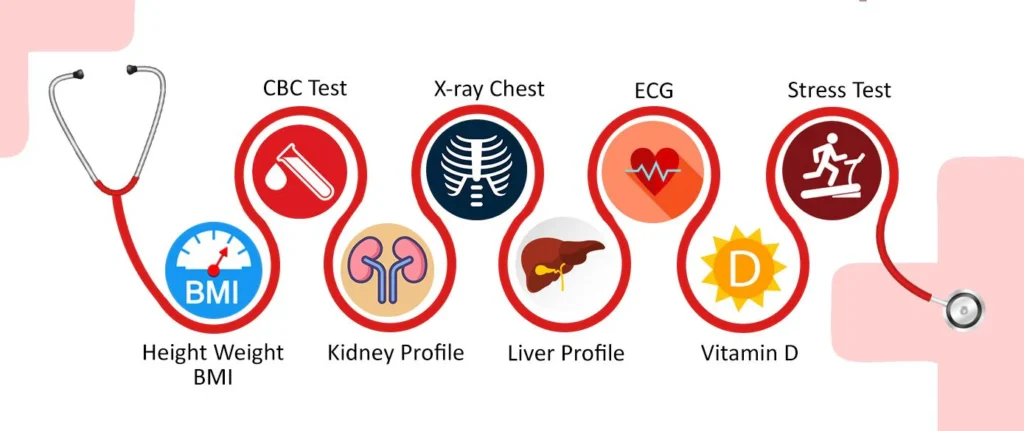
Due to appointments being at sleep times, or fatigue feeling “normal” and not worth reporting, shift workers tend to avoid going to doctors for as long as possible. But a number of the most serious health dangers in shift work — hypertension, type 2 diabetes, thyroid disorders — are silent for years before symptoms emerge.
The schedule for shift worker health screenings:
- Yearly: Blood pressure, fasting blood glucose, cholesterol panel, and vitamin D.
- Every 2 years: Complete metabolic blood panel, thyroid function test.
- Ongoing: Log sleep quality, energy, and mood in a basic journal or app. Take this data to doctor visits — it provides them with much more useful information than a 10-minute consultation would alone.
Tell Your Doctor That You Are a Shift Worker
Many doctors do not inquire about work arrangements. Your shift pattern is medically relevant. It shapes how your doctor interprets blood test results, which screenings they prioritize, and what lifestyle advice they dispense. Just ensure you make it to the top of your list at any health check.
At a Glance: All 11 NightShiftLiving Health Boosters
| # | Health booster | Primary benefit | Effort level |
|---|---|---|---|
| 1 | Regular sleep anchor time | Circadian stability | Low |
| 2 | Eating according to body clock | Metabolic health | Medium |
| 3 | Timed exercise | Heart and mood health | Medium |
| 4 | Smart light exposure | Circadian + immune | Low |
| 5 | Gut shield | Digestion + immunity | Low–Medium |
| 6 | Chill management | Cortisol + heart health | Low |
| 7 | Targeted supplementation | Nutrition | Low |
| 8 | Hydration | Energy + cognition | Low |
| 9 | Mental health habits | Mood + social health | Low–Medium |
| 10 | Heart-protection habits | Cardiovascular | Medium |
| 11 | Routine screenings | Early detection | Low |
FAQs: NightShiftLiving Health Boosters
Q: Can people who work at night ever be as healthy as people who work during the day?
Yes — as long as you have the right habits. Shift workers who actively manage their sleep, nutrition, light exposure, and stress have been shown to achieve health outcomes comparable with those of day workers. The risks are real, but they’re also mostly lifestyle-driven and thus reversible. Even a handful of these NightShiftLiving health boosters applied consistently makes a tangible difference.
Q: What is the single most significant change a shift worker can make to their overall health?
For the highest-leverage starting point, lock in a consistent sleep anchor time. Nearly every other health metric — metabolism, mood, immunity, cardiovascular function — gets better when your circadian rhythm has at least some consistency to work from.
Q: Vitamin D — do I really need a blood test to take it?
Due to little exposure to sunlight, a majority of adults working nights are Vitamin D deficient. Without testing, a dose of 1,000–2,000 IU daily is generally recognized as safe for most adults. But a simple blood test will tell if you need a higher therapeutic dose. Just ask your doctor at your next visit.
Q: How can I possibly exercise if I’m exhausted after each shift?
Start with movement, not exercise. A 15-minute walk counts. The trick is getting into the habit, even if it’s slowly. On truly exhausted days, walking, gentle yoga, or light stretching is much better than not exercising at all — and it won’t destroy sleep the way hard training can.
Q: Should gut health supplements be used instead of changing our diets?
No. Probiotic supplements can promote gut health, but they can’t substitute for a fibre-rich, whole-food diet. Consider supplements the icing on the cake, not a replacement. So work on increasing fermented foods and fibre in your meals first, then add a probiotic if required.
Q: How often should a shift worker visit a doctor?
At least once a year for routine health, requesting blood glucose, blood pressure, and vitamin D tests. If you are a shift worker with more than 5 years of experience, consider asking your doctor about testing for risk factors associated with cardiovascular disease.
Q: Is working shifts guaranteed to make you put on weight?
Not inevitably. Weight gain is facilitated by the conditions that shift work provides — hormonal disruption, inopportune timing of eating, sleep deprivation — but all of these are matters under control. The three most effective counter-measures are time-restricted eating, exercise, and avoiding heavy meals late at night.
The Bottom Line
Shift work doesn’t have to lead to bad health. It means your health needs a different approach — one that is built around your actual schedule, rather than the traditional 9-to-5 model.
These 11 NightShiftLiving health boosters combat the actual, root-cause risks of shift life: circadian disruption, metabolic strain, cardiovascular stress, gut imbalance, and deficiencies in nutrition and mental health. All of these can be done without forcing you to upend your entire life overnight.
Choose two or three that resonate most strongly for you currently. Build them into your routine. Then add more.
Your body is extraordinarily adaptable. Give it the right tools — and it will help you, not hinder you, no matter what shift you’re on.
Related Post

6 Health Hacks for Better Immunity with Smart NightShiftLiving
Something sneaky happens to your body when you work the night shift. It doesn't only…