
6 Health Hacks for Better Immunity with Smart NightShiftLiving
>> Health NightShiftLiving>> 6 Health Hacks for Better Immunity with Smart NightShiftLiving
6 Health Hacks for Better Immunity with Smart NightShiftLiving
Something sneaky happens to your body when you work the night shift.
It doesn’t only interfere with your sleep. It quietly erodes your immune system — the very one that battles colds, infections, and serious illness. And it does so slowly, in the background, even as you’re just trying to get through your shift and survive the week.
Here’s the hard truth. Working in opposition to your body’s natural clock increases inflammation, disrupts critical hormones, and decreases the number of immune cells that your body produces. Over time, that adds up. Shift workers get sick more often and take longer to recover, and they are at a greater long-term risk for conditions like diabetes, heart disease, and even some cancers.
But here’s the game plan — it doesn’t have to remain that way.
With the right NightShiftLiving health hacks, you can combat those effects. You can take steps to support your immune system so that it helps keep you healthy, strong, and functioning — even on a reversed schedule.
These six hacks are not rocket science. They don’t need expensive supplements or a radical lifestyle change. All they need is knowing what really matters — and then doing those things over and over.
Let’s get into it.
Why Night Shift Ruins Your Immunity — And What Is Actually Happening
Before the hacks, you need to understand the problem. Not in a complicated, science-lecture way — just the fundamentals.
Your immune system does not function at full force 24/7. It follows a rhythm. At certain times, it ramps up to combat infection; at other times, it handles repair work. That rhythm is linked directly to your circadian clock — the internal system that regulates when we fall asleep and when we wake up.
When you work nights, you disrupt that rhythm. Your body is awake and functioning when it thinks it should be in repair mode. It’s attempting to get some rest when it should be awake. Everything gets scrambled.
What actually goes wrong:
Cortisol goes haywire. Cortisol is your stress hormone, but it also has a big hand in regulating inflammation. Disruption of your sleep schedule causes heightened cortisol at inappropriate times. That causes chronic low-grade inflammation — which over time suppresses immune function.
Melatonin drops. Melatonin is best known to most people as the sleep hormone. But it’s also a strong immune regulator. The body of a shift worker makes less melatonin on the whole due to artificial light exposure during sleep time — it suppresses its production. Less melatonin means a less regulated immune response.
Natural killer (NK) cells decline. These are your immune system’s frontline soldiers — the cells that attack viruses and rogue cells. Research shows that workers engaged in night work show considerably reduced NK cell performance compared to their day-working counterparts.
The gut suffers. Your gut microbiome — a collection of trillions of bacteria in your digestive system — also has a circadian rhythm. Disruption of that rhythm tips the balance, and since around 70% of your immune system is located in your gut, that matters.
The good news is that there are effective solutions to each of these problems. That is precisely what these six NightShiftLiving health hacks target.
Hack 1: Don’t Fix Anything Else Before You Fix Your Sleep
This is the foundation. All the rest is built on top of it.
Quality sleep does the real immune boosting. It’s not a gentle suggestion — it’s biology. Most cytokines are produced during deep sleep. These are proteins that defend against infection and inflammation. Without enough quality sleep, cytokine production drops. Your body actually makes fewer of the weapons it needs to work with.
Research shows that people who sleep fewer than six hours a night are more than four times as likely to catch a cold as someone who sleeps seven or more. That’s a massive difference.
What “fixing sleep” really means for night shift workers:
For day-shift employees, that’s easy enough. For you, it’s more complicated. You’re not just trying to sleep more — you’re trying to sleep at a time when your body is working against you.
The most important steps are:
Block all light completely. Blackout curtains and a sleep mask are imperative. Light in the sleep environment will prevent melatonin and the immune repair cycle from firing properly.
Keep a consistent sleep time. Even on days off. Your circadian clock requires a stable anchor point to release the correct hormones at the appropriate times. Irregular sleep schedules equal irregular — and weak — immune cycles.
Protect your sleep window. Put your phone on Do Not Disturb. Put a sign on your door. Tell your household. Protect those hours the way you would protect any other important appointment. Because they are.
Sleep is not just rest. It’s immune system maintenance. Treat it that way.
Hack 2: Eat Specifically for Your Immune System
Most nutrition advice is generic. “Eat more vegetables. Cut out junk food.” That advice is fair, but it’s not tailored for someone who works nights.

Night shift workers face a lot of special nutritional challenges. Your digestive system slows down at night because it has its own circadian rhythm to follow. Eating a big meal at 3 a.m. puts a strain on a system that’s supposed to be in rest mode. It disrupts your gut microbiome. And it can trigger inflammation.
Eating smart on a night schedule is one of the most practical NightShiftLiving health hacks you can implement.
The key nutritional principles:
Prioritize gut health. Because the majority of your immune system resides in your gut, feeding your gut bacteria well is a way to feed your immune system. Incorporate fermented foods such as yogurt, kefir, kimchi, and sauerkraut. They contain live bacteria that promote a healthy gut microbiome.
Load up on antioxidants. Shift workers have increased oxidative stress. Antioxidants fight that. Berries, leafy greens, nuts, seeds, and colorful vegetables are all great sources.
Don’t skip zinc and vitamin C. These two have a direct link to immune function. Zinc is present in meat, shellfish, seeds, and legumes. Vitamin C comes from citrus fruits, bell peppers, and broccoli. Both are simple to work into meals.
| Immune-boosting nutrient | Top food sources | What it does |
|---|---|---|
| Zinc | Beef, pumpkin seeds, chickpeas | Activates immune cells |
| Vitamin C | Bell peppers, oranges, broccoli | Antioxidant + white blood cell support |
| Probiotics | Yogurt, kefir, kimchi | Gut microbiome balance |
| Omega-3 fatty acids | Salmon, walnuts, flaxseed | Reduces inflammation |
| Vitamin D | Fatty fish, fortified foods, sunlight | T-cell regulation |
Eat lighter during your shift. Save your larger meals for after your shift ends, closer to your sleep window or when you wake up. On the shift itself, stick to lighter options — fruit, nuts, Greek yogurt, a small salad, or another protein-rich snack.
Avoid ultra-processed food at night. That vending machine isn’t your friend at 2 a.m. Ultra-processed foods foster inflammation. That’s the last thing your immune system needs when it’s already stressed.
Hack 3: Get Something Moving Every Day — Even Just a Little
Exercise is one of the most potent immune enhancers you have access to — and it’s free.
Moderate, consistent physical activity boosts circulation, helping immune cells travel through your body more quickly. It promotes NK cell and T-cell production. It reduces chronic inflammation. And it helps control cortisol — that same hormone that goes haywire on a disrupted schedule.
Notice the word “moderate.” This is important.
The shift worker’s exercise dilemma:
Intense, fatiguing exercise can actually cause a temporary suppression of the immune system. That’s great for athletes who have time to recover. For a sleep-deprived shift worker with an immune system that’s already stressed, it can backfire.
The aim is consistent moderate movement — not muscling through a punishing workout on no sleep.
What works best:
A 20–30 minute brisk walk after your shift (before bed) can reduce cortisol and improve sleep quality at the same time. This is a two-for-one that most night shift workers undervalue.
Bodyweight exercises — squats, lunges, push-ups — done at moderate intensity three to four times per week are sufficient to trigger the immune benefits without the recovery tax.
Stretching and yoga count too. They lower cortisol, increase circulation, and are low-impact enough to do even when you’re wiped out.
When to exercise:
Don’t do vigorous exercise within two hours of your bedtime. It makes your heart beat faster and raises your body temperature, which can make it difficult to fall asleep. A gentle walk or stretching near your sleep time is fine. Save the heavier workouts for when you’ve rested well.
Consistency matters far more than intensity. Twenty minutes every day beats two hours at the gym once a week.
Hack 4: Address Your Vitamin D Problem Head-On
Here’s a NightShiftLiving health hack that most shift workers never think about — until they have their blood work done.
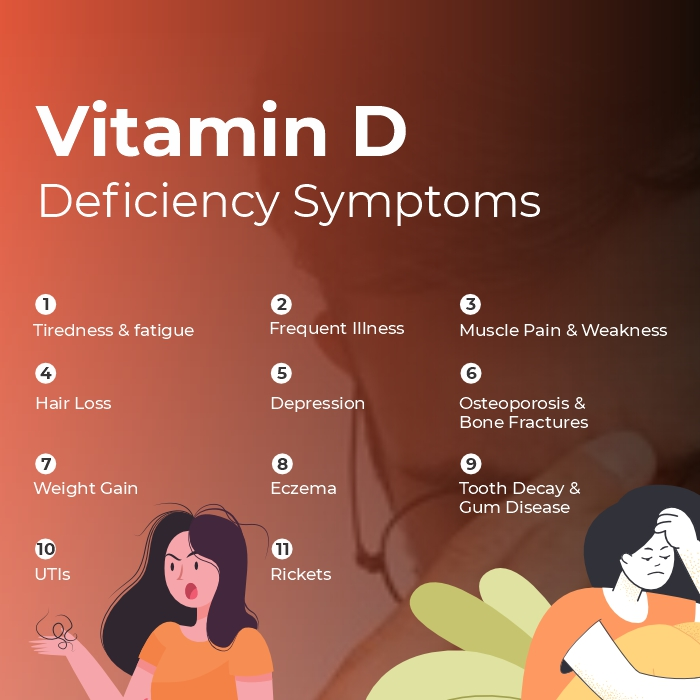
Night shift workers are notoriously vitamin D deficient. The reason is simple: you sleep during the day and work at night. You almost never see direct sunlight. And sunlight is how your body produces vitamin D most of the time.
This matters enormously for immunity. Vitamin D is more than a nutrient for bone health. It’s a key regulator of your immune system. It activates T-cells — the immune cells that identify and eliminate infected or cancerous cells. Without sufficient vitamin D, your T-cells can sit dormant, even when they should be doing battle.
According to research published in journals of nutrition and immunology, vitamin D deficiency is linked to increased susceptibility to infections, autoimmune conditions, and prolonged recovery times. According to the Harvard T.H. Chan School of Public Health, shift workers are among the most at-risk groups for deficiency because of their near-total lack of sun exposure. Shift workers are disproportionately affected.
How to fix it:
Get tested first. Request a 25-hydroxyvitamin D blood test from your doctor. This tells you your actual level. Many shift workers are severely deficient without knowing it.
Supplement strategically. The average adult requires 1,000–2,000 IU of vitamin D3 per day to maintain healthy levels. Some deficient individuals require more under medical supervision. Take it with a meal that includes fat — vitamin D is fat-soluble, meaning it’s absorbed better in the presence of dietary fat.
Get intentional about sunlight. On your days off, step outside during peak sun hours — between 10 a.m. and 2 p.m. Even 15–20 minutes of sun exposure on your arms and face helps. It’s also one of the best mood boosters in nature.
Pair with vitamin K2. If you take vitamin D, also consider vitamin K2. It helps guide calcium to its rightful places — your bones, not your arteries. Most vitamin D supplements already include K2.
This single hack can have a marked effect on your overall health, energy levels, and how frequently you fall sick.
Hack 5: Take Stress Seriously — Your Immune System Does
Stress is not just a feeling. It’s a physical event inside your body.
Under stress, your body releases cortisol and adrenaline. In the short term, these hormones are useful — they help energize you and focus you to handle a problem. But when stress is chronic and constant — the way it frequently is for shift workers struggling with disrupted schedules, fatigue, social isolation, and physical discomfort — these hormones become harmful.
Excess cortisol actively suppresses immune function. It decreases the number of lymphocytes (white blood cells) in your bloodstream. It increases inflammation. And it leaves you much more susceptible to falling ill.
Night shift workers carry a heavy stress burden — and most of it isn’t even from the job. It stems from battling your own body’s clock every day, skipping social outings, feeling eternally exhausted, and never quite being on the same schedule as everybody else.
Practical stress management for shift workers:
Breathwork is quicker than you think. A simple technique known as box breathing — inhale for 4 counts, hold for 4, exhale for 4, hold for 4 — activates your parasympathetic nervous system within minutes. It physically lowers cortisol. Do it for five minutes after your shift, before sleeping.
Journaling works. Writing down what’s troubling you — even briefly — allows your brain to process and release stress instead of carrying it. It doesn’t have to be lengthy or eloquent. Just honest.
Protect your social life. Isolation is one of the most undervalued stressors for shift workers. Deliberately seek out connection — with friends, family, colleagues, and online communities of fellow shift workers. Loneliness is genuinely immunosuppressive.
Know when to ask for help. If anxiety, depression, or burnout are in the mix, professional support is a tool just like any other. There is strong evidence for cognitive behavioral therapy (CBT) both to improve sleep and to reduce stress. Many therapists offer flexible scheduling.
Stress management is the hardest hack on this list. But it’s also among the most consequential. Your immune system pays closer attention to your emotional state than most people realize.
Hack 6: Hydration Is a Bigger Deal Than You’re Making It
This is the simplest hack on the list — and one of the most consistently overlooked.
Water is not just for thirst. It’s critical to every process in your immune system. Your lymphatic system — the network that transports immune cells around your body — relies on fluid movement. Lymphatic flow becomes sluggish when you’re dehydrated. It takes longer for immune cells to arrive at sites of infection. Toxins build up instead of flushing out.
Night shift workers tend to be chronically under-hydrated for several reasons. Coffee and energy drinks are diuretics — they force water out. Nights at work can be busy, making it easy to forget to drink. And sleep deprivation itself can dull your sense of thirst.
How to stay hydrated on a night schedule:
Establish a water goal and track it. For most adults, the daily requirement is around 2–3 liters (roughly 8–12 cups) of water. If you’re active or your workplace is warm, you need more. Don’t wait until you’re thirsty — at that point, you’re already mildly dehydrated.
Start your shift with water, not coffee. When your shift starts, drink a full glass of water first. Then have your coffee. This simple order change makes a real difference.
Carry a reusable water bottle. Having water visible and accessible is one of the biggest nudges for drinking more. Out of sight, out of mind — literally.
Electrolytes matter too. If you’re drinking enough water and still feel fatigued or foggy, try adding electrolytes. Plain water does not replenish the sodium, potassium, and magnesium lost through sweat and urine. A pinch of sea salt in your water, a banana, or an electrolyte tablet can help.
Limit energy drinks. They are heavily caffeinated, often sugar-laden, and they dehydrate you. That burst of energy comes at a direct cost to your hydration and immune function.
This hack is free. It takes almost no effort. And the way it makes you feel — better energy, clarity, and resistance to illness — is noticeable within days.
How These Six Hacks Work in Tandem
None of these NightShiftLiving health hacks acts in isolation. They reinforce each other.
Better sleep reduces cortisol. Lower cortisol lets your immune cells function properly. Good nutrition nourishes those immune cells and bolsters your gut microbiome. Exercise keeps those cells moving smoothly. Vitamin D activates them. Stress management prevents cortisol from spiking again. Hydration keeps everything flowing.
It’s a cycle of support, not a checklist.
Begin with the two easiest wins — hydration and improved meal choices during your shift. These demand little to no lifestyle change and can yield visible results within as little as a week. Once those are habits, add the sleep consistency and Vitamin D work. Then deal with exercise and stress management.
You don’t have to do it all at once. But you have to start somewhere.
What Night Shift Workers Get Wrong About Their Health
Even workers who care about their health get caught in these traps. Recognizing them is the first step.
Mistake 1: Assuming “healthy during the day” erases night shift damage. Having a salad for lunch does not compensate for chronic sleep disruption. The circadian mismatch itself is the problem — and it’s one that has to be addressed directly.
Mistake 2: Hoping supplements can replace the fundamentals. Supplements can fill real gaps — vitamin D is a great example. But no supplement will ever substitute for regular sleep, real food, movement, and water. Supplements work on a base of solid fundamentals, not in place of them.
Mistake 3: Discounting stress because “everyone is stressed.” That framing causes people to internally normalize a level of chronic stress that is seriously damaging their immune system. Shift workers carry above-average physiological stress loads. It needs above-average attention.
Mistake 4: Taking immunity seriously only after falling sick. Immunity is developed over the course of weeks and months of consistent habits. Once you’re sick, there’s no quick fix. You build immune resilience when you’re well.
FAQs About NightShiftLiving Health Hacks
Q: Can night shift workers have a strong immune system? A: Yes, absolutely. With consistent habits around sleep quality, nutrition, movement, and stress, shift workers can maintain excellent immune function. It takes more intentional effort than a typical day schedule, but it’s entirely doable.
Q: What is the single most effective thing a night shift worker can do for immunity? A: Improving sleep quality is the most high-impact change. Sleep deprivation is detrimental to all facets of immune function — cortisol, cytokine production, NK cell activation, and gut health. Without enough quality sleep, all other hacks lose their effectiveness.
Q: How quickly can these hacks improve my immune system? A: Improvements in hydration are felt within days. Improvements in diet and sleep provide immune benefits within two to four weeks. Blood levels typically increase meaningfully four to eight weeks after beginning vitamin D supplementation. Stress management produces measurable changes in cortisol within weeks of consistent practice.
Q: Can I safely take vitamin D without a doctor’s recommendation? A: Vitamin D3 is generally safe at standard doses (1,000–2,000 IU daily) for most adults. But it’s always best to have your levels tested first, so you know whether you’re deficient and how much you actually need. High doses should only be taken under the supervision of a physician.
Q: Do probiotics really benefit immunity in shift workers? A: There is ample evidence that a healthy gut microbiome promotes strong immune function, and probiotics help maintain that balance. Night shift disrupts gut bacteria rhythms, which makes probiotic-rich foods particularly valuable for shift workers. Good natural sources include fermented foods like yogurt, kefir, and kimchi.
Q: Can you exercise regularly on a night shift schedule? A: Yes — but the trick is to be flexible about when and how. A 20–30 minute walk after your shift, or doing bodyweight exercises in your “morning” (which might be 3 p.m.), both work. The aim is consistency and moderate intensity — not an inflexible gym regimen.
Q: How exactly does stress management help the immune system? A: High levels of chronic stress increase cortisol, which actively suppresses the action and production of immune cells — particularly lymphocytes. Managing stress through breathwork, social connection, therapy, or other methods keeps cortisol in a healthy range and allows your immune system to function properly.
One Final Thought
For millions of people, working nights is not going away anytime soon. Hospitals need night nurses. Factories need overnight crews. Emergency services never sleep. The night shift is critical — and the people who staff it deserve to be healthy.
The six NightShiftLiving health hacks in this guide are not shortcuts or silver bullets. They are the real, evidence-based foundations of immune health applied directly to your reality. Your schedule. Your challenges. Your body.
Sleep smarter. Eat for your gut. Move daily. Get your vitamin D. Manage your stress. Drink your water.
Do those six things consistently and your immune system will thank you — sun or no sun.
Related Post
10 Life-Changing Healthy Solutions for Shift Fatigue — NightShiftLiving
Shift Fatigue Is Real — And It's Ruining More Than Just Your Sleep You already…