7 Speedy Sleep Solutions for NightShiftLiving After Long Shifts
>> Sleep NightShiftLiving>> 7 Speedy Sleep Solutions for NightShiftLiving After Long Shifts
7 Speedy Sleep Solutions for NightShiftLiving After Long Shifts
You’ve just returned home after a grueling 12-hour shift. Your body is exhausted. But your brain? Wide awake.
The sun is coming up. Neighbors are starting their day. And you’re lying in bed, staring at the ceiling and wondering why sleep is eluding you.
This is the day-to-day reality for millions of night shift workers. Anyone who lives the NightShiftLiving lifestyle — nurses, factory workers, security guards, truck drivers — is all too familiar with this struggle.
The good news? You don’t need to white-knuckle your way through bad sleep for the rest of your life. There are solutions, real ones backed by science that work fast. Solutions that work for your schedule, your budget and your life.
This guide gives you 7 potent NightShiftLiving sleep solutions that you can start tonight — or this morning, rather — after your next long shift.
Why Night Shift Workers Sleep Differently From Everyone Else
Before we dive into the solutions, it’s helpful to know why your sleep is so difficult to correct.
Your body operates on an internal clock known as your circadian rhythm. This internal timer governs when you’re sleepy and when you’re wide awake. It’s essentially driven by light and dark.
When you work nights, you’re directly battling this clock. You’re telling your body to stay awake when it’s wired to sleep, and to sleep when it’s wired to be awake.
The result? Your sleep quality drops. It takes you longer to fall asleep. You wake up too early. And the sleep debt accumulates over time.
This is known as circadian misalignment, and it’s the underlying reason for most night shift sleep issues.
Why Shift Workers Bear the Brunt of Poor Sleep
Bad sleep isn’t just annoying. It has real consequences.
| Effect | Short-Term | Long-Term |
|---|---|---|
| Focus | Hard to concentrate | Chronic brain fog |
| Mood | Irritable, anxious | Depression, burnout |
| Health | Headaches, fatigue | Heart disease, diabetes |
| Safety | Slower reactions | Higher accident risk |
| Performance | Mistakes at work | Job performance decline |
This knowledge renders the below solutions all the more vital. Let’s get into them.
Solution #1 — Block All the Light Before You Go to Bed
If you sleep during the day, light is your biggest enemy.
Even small amounts of light — a gap in the curtains, your phone screen lighting up, a blinking router light — can signal to your brain that it’s time to wake up. Your brain interprets light as a morning cue and ceases secreting melatonin, the sleep-inducing hormone.
This one change can make a huge difference in how quickly you’re able to fall asleep after working a long shift.
How to Create a Real Darkness Zone
Start with blackout curtains. Regular curtains won’t cut it. You’re going to want light-blocking curtains — ones that block 99–100% of outside light. Hang them a little wider and a little taller than your window frame so no light leaks in from the edges.
Now, tackle interior light sources. Cover or remove:
- Charging lights on electronics
- Standby lights on cable box and TV
- Alarm clock displays
- Smoke detector blinks
A quick fix is to place black electrical tape over minor indicator lights. It’s almost free and really makes a difference.
Finally, consider a sleep mask. In dark conditions, a decent sleep mask provides an extra layer of protection. Seek a contoured mask that doesn’t push directly on your eyes.
Pro Tip: Seal your bedroom door with a draft stopper or towel at the bottom. More than you’d expect, light spilling from hallways can ruin sleep.
Solution #2 — Cool Your Bedroom Down Before You Even Walk In
Here’s something that most night shift workers never even think about: temperature.
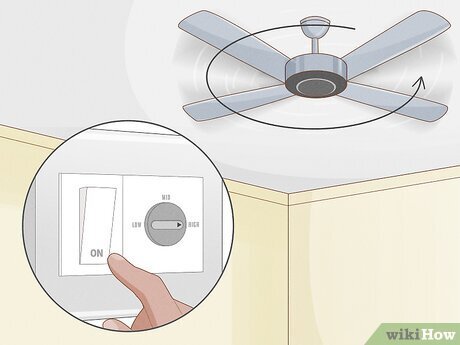
As you prepare to sleep, your body naturally lowers its core temperature. When your room is warm (think sleepless summer days), your body has a way tougher time creating that temperature drop.
For most people, sleep is at its best in the range of 60°F to 67°F (15°C to 19°C).
Smart Ways to Keep Your Room Cool
Before you finish your shift, adjust your thermostat or air conditioner so that it is cooling off your bedroom. If you can automate this with a smart plug or smart thermostat, even better.
If you have no AC, try these tricks:
- Place a box fan facing outward in the window to blow hot air out
- DIY cooling: put a bowl of ice in front of a fan
- Sleep in lightweight, breathable bedding made of cotton or bamboo
- Close blinds during the day to block sunlight from warming up the room
And take a warm shower just before sleep. It seems counterintuitive, but warming your skin triggers your body to shed heat more rapidly, which in fact lowers your core temperature faster. It’s a biological trick that is highly effective.
Solution #3 — Apply the NightShiftLiving Wind-Down Routine
Your body requires a transition signal. A cue that reads: shift’s over, sleep time is starting.
Most of that comes naturally for day workers. Driving home at sunset, eating dinner, dimming lights — these are all cues for the brain to wind down. Night shift workers often omit this step altogether, heading straight to bed from work and wondering why they can’t sleep.
A wind-down routine solves this.
Build Your 30-Minute Pre-Sleep Ritual
The goal is to reduce your mental and physical alertness gradually. Here’s a simple template:
30 minutes before bed:
- Immediately change out of work clothes (this signals “work is done”)
- Skip harsh overhead lights — use lamps or low settings instead
- Have a light snack if you feel hungry (not heavy meals or spicy food)
20 minutes before bed:
- Do some light stretching or gentle yoga for 5–10 minutes
- Jot down lingering work thoughts in a notebook to “offload” them from your brain
- Don’t mindlessly scroll on social media or watch intense television
10 minutes before bed:
- Wear blue light blocking glasses if any screens are on
- Practice slow, deep breathing (4 counts in, hold 4, out 6)
- Keep the room quiet or use a white noise machine
The consistency of this routine matters more than the individual steps. Do it the same way every day, and your brain will begin to connect it with sleep.
Solution #4 — Take Melatonin the Right Way (Most People Get This Wrong)
Melatonin is the most commonly misused sleep supplement on the planet.
Most people take too much, too late, and expect it to knock them out like a sleeping pill. That’s not how melatonin works.
Melatonin doesn’t force sleep. It signals your brain that it’s time to sleep. Think of it as a dimmer switch, not an off button.
The Right Dose and Timing for Night Shift Workers
Here’s what the research actually says:
| Factor | Common Mistake | Better Approach |
|---|---|---|
| Dose | 5–10mg | 0.5mg to 3mg |
| Timing | Right at bedtime | 30–60 min before sleep |
| Frequency | Every single day | As needed for schedule resets |
| Expectation | Instant knockout | Gradual sleepiness signal |
For NightShiftLiving schedules, the timing gets a little tricky, since your “bedtime” could be around 8am or 9am. That’s no problem — just take melatonin 30 to 60 minutes before you want to sleep, regardless of the clock time.
Always speak with your doctor before beginning any supplement, especially if you take other medications or have health conditions.
Note: Melatonin is most effective when used alongside the other solutions on this list — particularly the tips regarding darkness and temperature. It’s a part of the puzzle, not the complete solution.
Solution #5 — Treat Your Sleep Hours Like a Job Appointment
Perhaps the biggest NightShiftLiving sleep killer isn’t physical — it’s social and logistical.
The world is awake during the daytime. Delivery drivers ring your doorbell. Family members call. Kids come home from school. Texts come in. And because the people around you often don’t understand that your sleep is your night, your rest gets constantly interrupted.
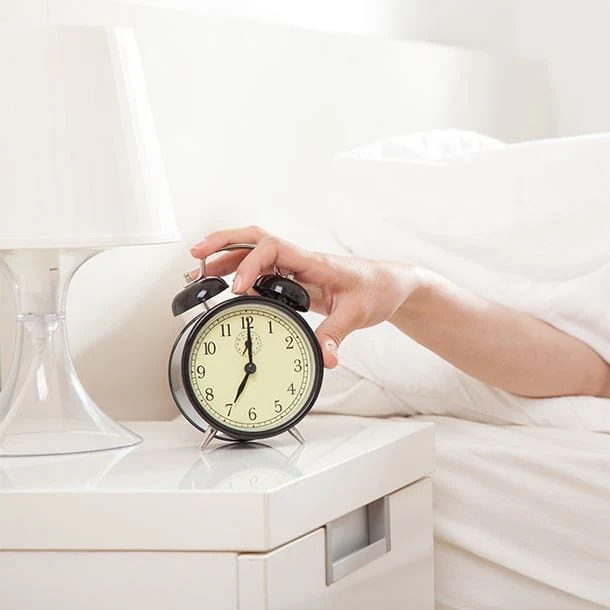
It isn’t just annoying — interrupted sleep is much less restorative than uninterrupted sleep. Even a single disruption can cost you an hour of deep sleep.
How to Guard Your Sleep Time Seriously
Tell people clearly. Draft a simple message to send to friends and family:
“I work nights and sleep from [time] to [time]. Please do not call or text during these hours unless it’s urgent. I’ll get back to you when I wake up.”
It feels awkward the first time. Do it anyway.
Use your phone’s Do Not Disturb settings. Set them to automatically activate during your sleep hours. Allow only emergency contacts or two-in-a-row calls from the same number (most phones support this).
Put a sign on your door. Simple and effective. Something like: “Night shift worker sleeping — please do not ring bell or knock between [hours].” Amazon delivery people will respect this more often than you’d think.
Use earplugs or a white noise machine. A good white noise machine doesn’t just block sound — it masks it. The constant sound prevents your brain from “latching on” to individual noises that would otherwise jolt you awake.
Solution #6 — Watch What You Eat and Drink After Your Shift
Food and drink have a greater impact on sleep quality than most people realize. After a long shift, it’s tempting to grab fast food, down a couple of drinks, or chug one more coffee “just to get through the drive home.”
All three of these habits can delay sleep by hours.
Foods and Drinks That Hurt Your Post-Shift Sleep
Caffeine is the most obvious — but the timing surprises most people. The average half-life of caffeine is around 5–6 hours. That means if you drink a coffee at 4am before your shift ends at 7am, half of that caffeine is still in your bloodstream at noon when you’re trying to sleep.
Alcohol is deceptive. It can make you feel drowsy, which fools a lot of shift workers into using it as a sleep aid. But alcohol actually fragments sleep. It reduces REM sleep — the deep, restorative phase — leaving you feeling groggy even after a full 7–8 hours.
Heavy, greasy, or spicy food before bed keeps your digestive system working overtime, which raises your body temperature and makes deep sleep harder to reach.
What to Eat and Drink for Better Sleep
| Good Choices | Why It Helps |
|---|---|
| Tart cherry juice | Natural melatonin source |
| Chamomile tea | Contains sleep-promoting apigenin |
| Banana with peanut butter | Magnesium + tryptophan combo |
| Oatmeal (small portion) | Raises insulin slightly, helps tryptophan reach brain |
| Warm milk | Old remedy with actual science behind it |
According to the Sleep Foundation, diet and nutrition can significantly affect sleep quality, making food choices especially important for shift workers managing irregular schedules.
Make sure to finish your last meal at least 60–90 minutes before lying down. Keep it small and easy to digest.
Solution #7 — Reset Your Body Clock with Strategic Light Exposure
This is the most powerful long-term NightShiftLiving sleep solution on this list.
You can’t battle your circadian rhythm indefinitely. But you can gradually shift it to match your schedule. The tool for doing this is light exposure — used strategically at both ends of your shift.
How to Use Light to Shift Your Sleep Schedule
During your shift (especially in the early hours): Get as much bright light as possible. If the lighting at your workplace is dim, consider using a portable light therapy lamp during your breaks. Bright light keeps you alert when you need to be.
As your shift ends: Start reducing your light exposure. Put on blue light blocking glasses before you leave work. This prevents your body from receiving “morning wake-up” signals during your commute home.
At home before sleep: Keep lights low. Use warm-toned bulbs (amber or red spectrum) in your bedroom and bathroom. These wavelengths don’t suppress melatonin the way blue or white light does.
On your off days: This is where most shift workers accidentally undo all their progress. If you flip back to a full daytime schedule every weekend, your body can never fully adjust. Try to keep your sleep window within 2–3 hours of your work-schedule sleep time, even on days off.
Light Exposure Timing Summary
| Time | Action | Purpose |
|---|---|---|
| Start of shift | Bright light exposure | Boost alertness |
| Mid-shift breaks | Light therapy lamp | Maintain alertness |
| Last hour of shift | Blue light blocking glasses | Start melatonin production |
| Drive home (if daytime) | Sunglasses | Reduce circadian “morning” signal |
| Pre-sleep at home | Dim, warm-toned lighting | Deepen sleep readiness |
How These 7 Solutions Work Together
None of these strategies works perfectly on its own. The magic happens when you combine them.
Think of your sleep environment and pre-sleep routine as a system. Each piece supports the others.
Darkness + cool temperature = faster sleep onset. Wind-down routine + melatonin timing = stronger sleep signals. Protected sleep hours + sound blocking = longer uninterrupted sleep. Strategic light exposure = better long-term schedule alignment.
Start with the ones that feel most doable. Even sticking to two or three of these solutions consistently will produce noticeable improvements within a week.
A Simple NightShiftLiving Sleep Checklist
Here’s a quick-reference checklist you can use after every shift:
- Blackout curtains closed and all lights covered
- Bedroom set to cool temperature (60–67°F)
- Phone on Do Not Disturb with sleep schedule active
- Blue light blocking glasses worn during commute home
- Wind-down routine started 30 minutes before bed
- Melatonin taken 45 minutes before sleep (if using)
- No caffeine in the last 6 hours before sleep
- Light, easy-to-digest snack if needed
- White noise machine or earplugs in place
- Sleep window protected — sign on door if needed
Print this out. Stick it on your bedroom door or bathroom mirror. Make it automatic.
FAQs About NightShiftLiving Sleep Solutions
Q: Once you try these sleep solutions, how long does it take for them to be effective? Most people notice improvement after 3–7 days of consistent use. Full circadian adaptation to shift work can take 2–4 weeks. Be patient if you don’t see immediate results.
Q: Is it fine to sleep in two separate blocks instead of one long stretch? Yes. Biphasic sleep (two sleep periods) can be a good fit for shift workers. Sleeping 5–6 hours after your shift and taking a 90-minute nap before your next one, for example. That aligns well with natural sleep cycles and some research backs it up as effective.
Q: Can I substitute sleeping pills for these natural approaches? Prescription or over-the-counter sleep medicines can be helpful in the short term, but they don’t address the underlying circadian problem and can involve potential dependence. The NightShiftLiving solutions in this article address the underlying issues, not merely treat the symptoms. Consult a doctor before taking any sleep medications.
Q: My schedule is rotating — some weeks I work days, and some I work nights. What do I do? Rotating shifts take the biggest toll on the body. Regardless of your shift, make managing light and maintaining consistent sleep hygiene a priority. On transition weeks, gradually shift your sleep window (1–2 hours a day) rather than flipping it overnight.
Q: What’s the single best thing I can do for better shift work sleep? If you can choose only one: blackout curtains. They’re fairly inexpensive, need no day-to-day effort once installed, and have an instant, dramatic impact on daytime sleep quality for night shift workers.
Q: Does exercising after a night shift help or harm sleep? Light to moderate exercise (a short walk, stretching, yoga) following a shift can reduce cortisol and prepare your body for sleep. Vigorous exercise, however, elevates your heart rate and body temperature and should be avoided within 3 hours of when you plan to sleep.
Q: Are there any apps that can help with night shift sleep? Yes. Apps such as f.lux or Night Shift (available on most phones) minimize blue light emitted by screens. Calm and Headspace also have meditations devoted to sleep. Sleep Cycle tracks sleep patterns. They’re useful tools, but they work best when used alongside the physical environment changes mentioned above.
The Bottom Line
NightShiftLiving is tough. Nobody pretends otherwise.
But suffering through poor sleep doesn’t have to be part of the deal.
Every solution in this article is within reach. None of them requires a huge budget or an entirely new way of living. They require consistency, a little planning, and the willingness to treat your sleep with as much seriousness as you treat your job.
Because the truth is, your sleep is part of your job. The way you rest dictates how well you perform, how good you feel, and how long your body can handle the night shift lifestyle without risking burnout.
Start with one or two solutions tonight. Build from there. In a few weeks, you’ll hardly recognize how differently your sleep feels — and how much the rest of your life improves when your body gets the rest it so desperately needs.
Related Post
10 Effective Sleep Tips For NightShiftLiving That Really Work
NightShiftLiving — sleep tips for a complete mindset shift. Here are 10 powerful, evidence-based strategies…