
Night work, however, is not for the feeble. While the rest of the world is asleep, night shift employees are grinding through tasks and pushing back against fatigue, trying to stay mentally sharp. Nursing, telecommuting, freelancing, security detailing or just being someone who can’t seem to function until after the sun goes down — living …
Doing the night shift is no joke. While everyone else is snoozing, you’re on the clock. And although that requires strength, it runs on the right tools to keep you sharp, healthy, and productive. And that is where the NightShiftLiving productivity tools help. Whether you drive trucks during the night shift, work in a hospital, …
Working the night shift may well be one of the hardest jobs you can ask your body to do. Your coworkers are sleeping. The world is quiet. But you’re clocked in, expected to perform and working according to a schedule that is counter to your natural body clock. The truth is, millions of people work …
It cannot be easy to work the night shift. The rest of the world is sleeping — you are punching in. You, a buoy in the fog of “Just close your eyes for a minute.” The struggle is real. Night shift workers have a special struggle — fighting their body’s natural sleep-wake cycle, dealing with …
Working the late shift is no laughing matter. You’re clocking in, getting sharp, getting stuff done while the rest of the world is asleep. But the night shift, let’s face it, gets in the way of your body, your brain and your social life. It turns your circadian rhythm on its head. And if you …
Night-shift work is not for everyone. But for millions of people across the globe — nurses, security guards, dump truck drivers, factory workers, call center agents, and more — the night shift is just life. And life at night presents real challenges. Your body wants to sleep. The world outside is quiet. Motivation dips. Focus …
Long shifts present a different sort of challenge. It’s not just being tired. It’s 10, 12, even 14 hours of manual or mental labor while your body is under the impression it ought to be sleeping. Healthcare, manufacturing, logistics, and security workers on night shifts are well aware of this phenomenon. You push through. You …
It’s 3am. You’re four hours into your shift. Your eyes feel heavy. Your legs feel like cement. And you’ve got hours more ahead of you before you can even consider heading home. Sound familiar? Feeling lethargic on overnight shifts is not only miserable — it’s hazardous. Whether you’re monitoring patients, running machinery, driving a vehicle, …

Another punch for your body: working shifts. The evidence is in — people working nights, rotating schedules, or just irregular hours have a higher risk of heart disease, diabetes, weight gain, and depression, and even a depressed immune system. But here’s the thing: those risks aren’t static. They’re largely the byproduct of habits, routines, and …
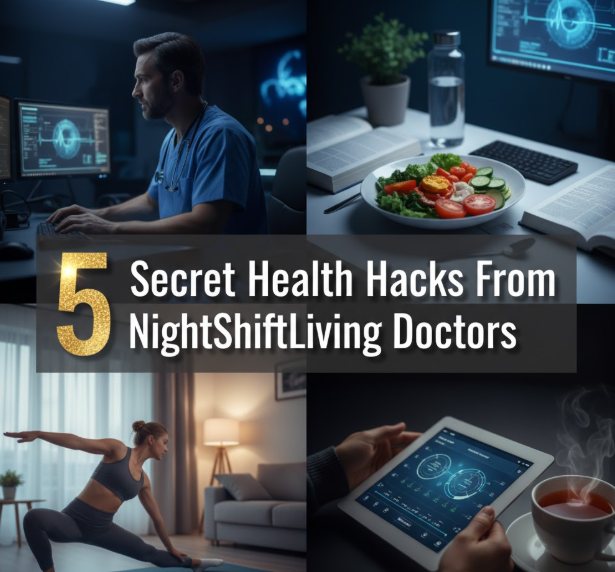
Night shift workers just need to sleep better, most people believe. Doctors understand that the true story is broader than that. Working through the night doesn’t only interrupt your sleep schedule. It subtly influences your heart, your hormones, your immune system, your digestion and even your mental health. Researchers found that if you work nights …